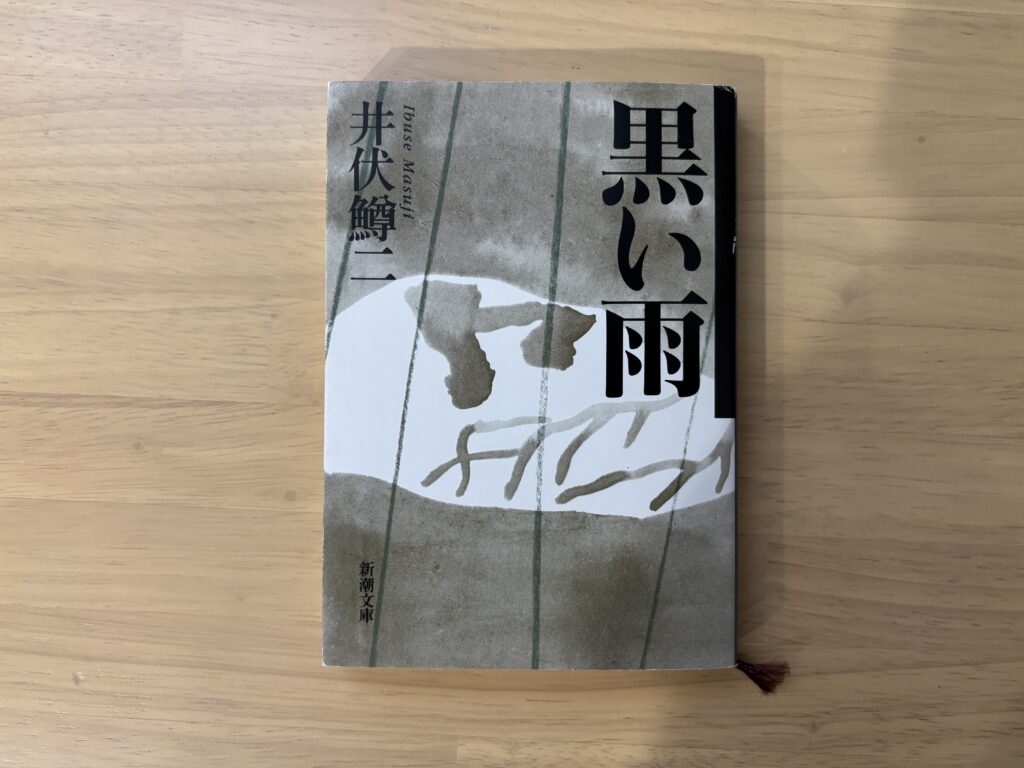
The Wishes for Peace Embodied in Paper Cranes, as “Depicted in The Journey of the Paper Cranes: Carrying Sadako’s Prayer”
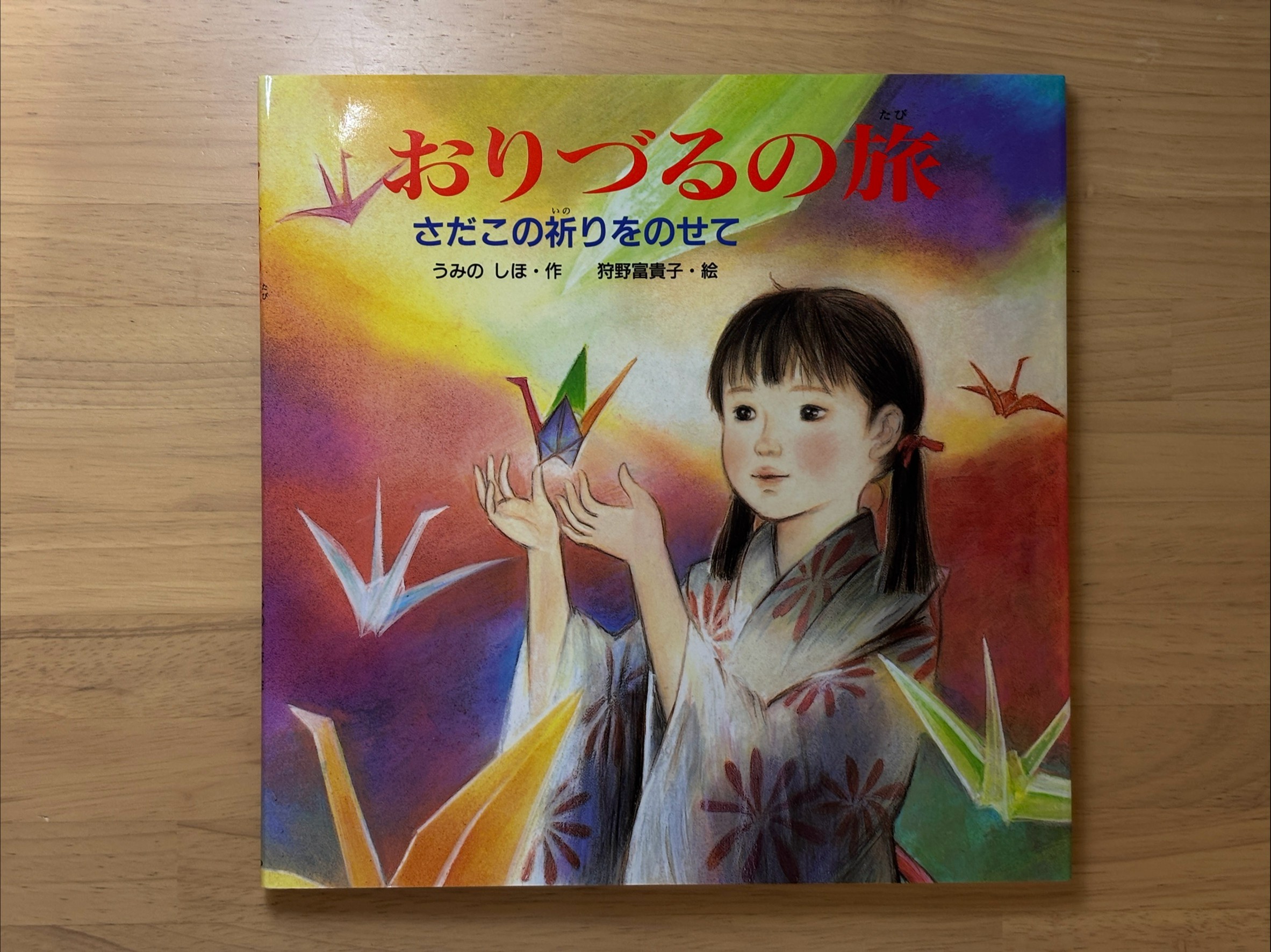
When thinking about peace in Hiroshima, some people may recall the story of Sadako Sasaki and the paper cranes.
The Journey of the Paper Cranes: Carrying Sadako’s Prayer is a picture book that depicts Sadako Sasaki—who died at the age of 12 due to the effects of the atomic bomb—and the process by which her story spread throughout the world along with the paper cranes. Written by Shio Umino and illustrated by Fukiko Kano, it was published by PHP Institute in 2003.
This book depicts Sadako’s experiences, the actions taken by children following her death, and the journey through which the paper cranes came to symbolize prayers for peace. In this article, we’ll explore Sadako’s story and the message conveyed by the paper cranes through this picture book.
The 12 Years of Sadako Sasaki’s Life
Sadako Sasaki was born in Hiroshima in 1943. She was exposed to the atomic bomb at the age of two and grew up without any major health problems, but at the age of 11, she was diagnosed with leukemia. It is said that while hospitalized, Sadako continued to fold paper cranes, hoping for a recovery.
However, her wish was not granted, and Sadako passed away in 1955 at the age of 12.
It is important to understand not only the moment the atomic bomb was dropped but also how its effects continued to claim lives over the years. Through the story of one young girl, Sadako’s life illustrates that the damage caused by the atomic bomb was not limited to the immediate aftermath of the bombing.
What the Children Began to Do Following Sadako’s Death
After Sadako’s death, her classmates and friends began working to create a statue in memory of the children who had died in the atomic bombing. Following fundraising efforts and other initiatives, the “Statue of the A-Bombed Child” was erected in Hiroshima Peace Memorial Park in 1958.
At the top of the statue stands a young girl holding up a paper crane. The fact that Sadako continued to fold paper cranes in the hope of recovering from her illness inspired the design of this statue.
What is important here is that this story goes beyond just Sadako’s individual experience; it is about how the children of her generation, having come to terms with her death, took action. Her friends’ wish to create a place to mourn the children who died in the atomic bombing took shape in a way that would be passed down to future generations.
Wishes Embodied in Paper Cranes Spread Across the World
The origami crane is a traditional Japanese origami figure that has long been cherished in Japan. As the story of Sadako and the “Statue of the A-Bomb Child” became widely known, the origami crane came to be embraced by many as a symbol of mourning for those who died in the atomic bombings and of hope for peace.
The phrase “The Journey of the Paper Cranes” in the title of this book represents how these paper cranes do not remain in one place but, together with Sadako’s story, continue to spread across countries and regions.
A small crane folded from a single sheet of paper is something that can be shared even among people with different languages and cultures. This picture book focuses not only on Sadako’s experiences but also on how her story has been passed down through the generations, becoming a symbol that conveys a wish for peace.
Reflecting on Peace Through the Story of a Young Girl
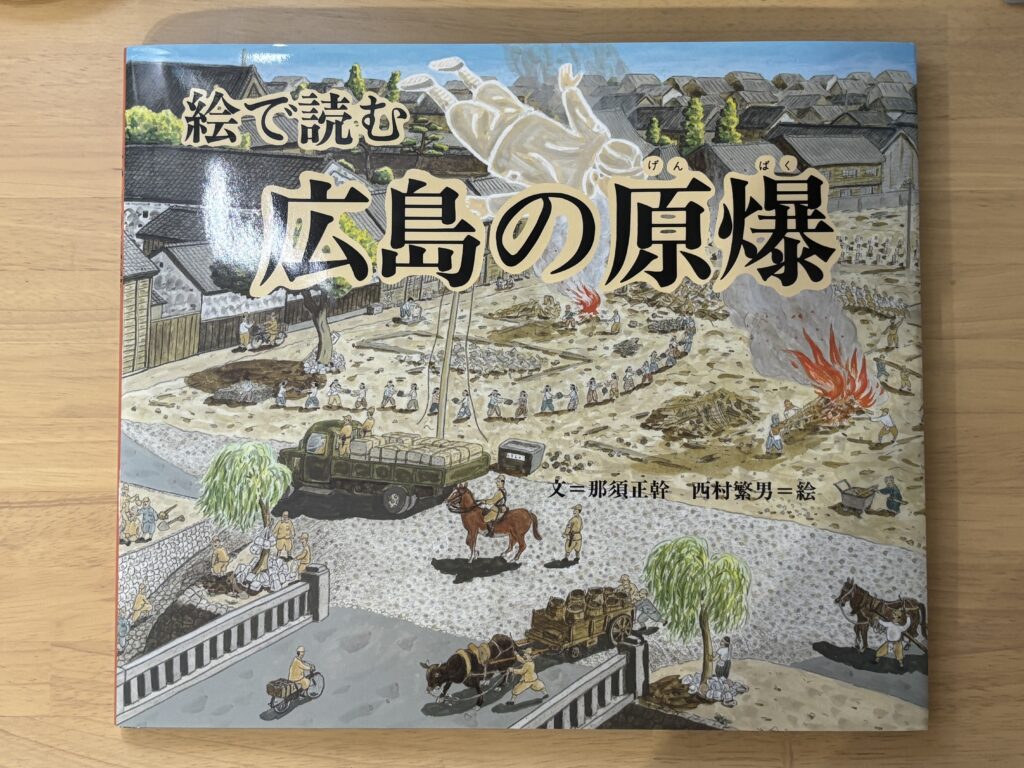
There are various forms of materials that document the history of the atomic bombing, including records of the damage, eyewitness accounts, and photographs.
Since this book uses illustrations and is aimed at children, it is accessible to readers of all ages, from children to adults. It not only provides insight into the events that took place in Hiroshima but also serves as an opportunity to reflect on how the stories that remain have been passed down through the generations and how they connect to our current hopes for peace.
Take some time to reflect on peace at Hotel Small World
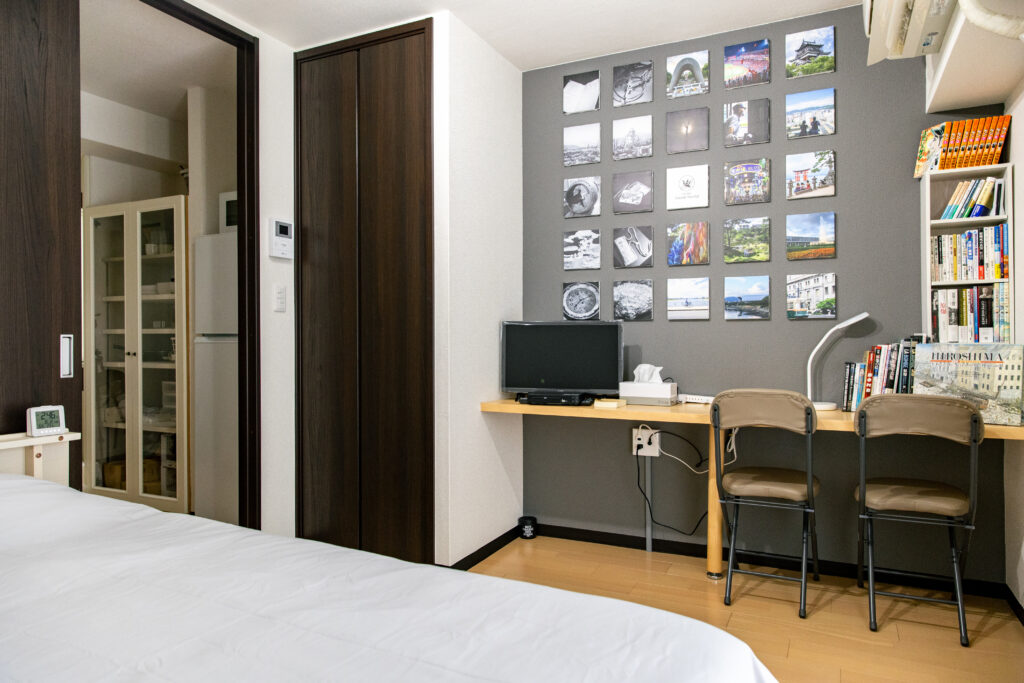
Hotel Small World is a hotel built around the concept of “peace.” The guest rooms feature books, photographs, DVDs, and other materials that allow guests to learn about the atomic bombing of Hiroshima, the city’s history, and peace.
Hiroshima’s history is not merely a record of past events; it is also connected to the activities of the people who followed and the sentiments that have been passed down to the present day. Learning about Sadako’s story and the “Statue of the A-Bombed Child” is one way to view Hiroshima’s history from a different perspective.
We hope your stay in Hiroshima will provide an opportunity to reflect anew on the city’s journey and the meaning of peace.
Summary
There are many ways to learn about Hiroshima’s history and the message of peace. One such way is to explore the records that have been preserved, such as books, photographs, and videos.
We hope your stay at Hotel Small World will serve as an opportunity to learn about the events that took place in Hiroshima and the history of this city.


Recommend

6 Best Hotels with Kitchens in Hiroshima | Apartment Hotels for Long Stays
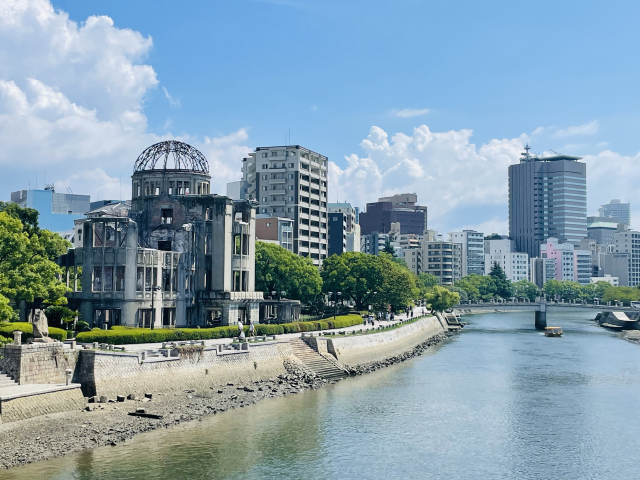
10 Best Historical Sites in Hiroshima to Learn About War and Peace
Learning About the Hiroshima Atomic Bombing Through “HIROSHIMA: A Tragedy Never to Be Repeated”