Rain That Fell on Hiroshima and Its Aftermath, as Depicted in “Black Rain”
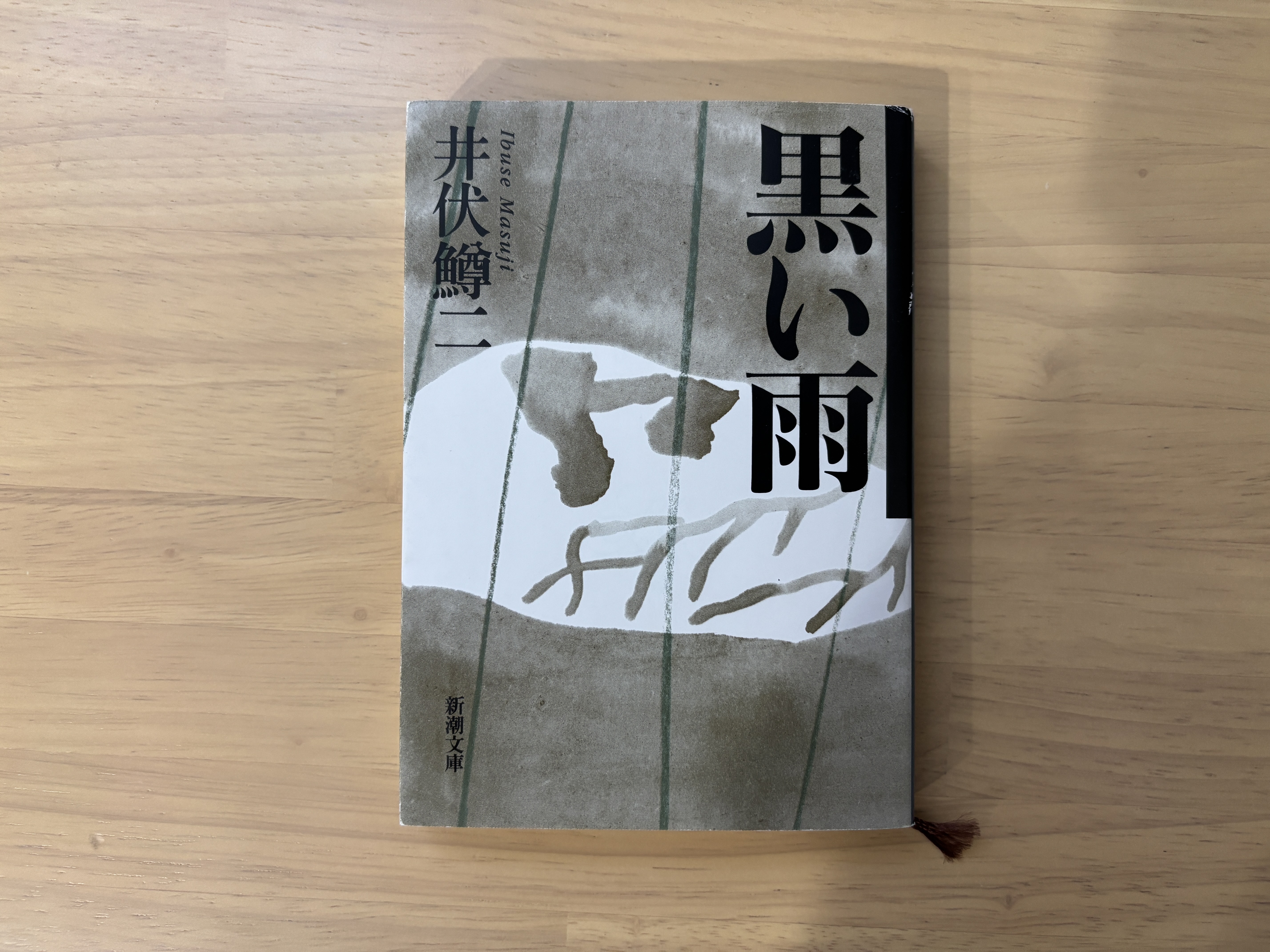
Masuji Ibuse’s novel Black Rain deals with the atomic bombing of Hiroshima, depicting the lives of the survivors and the effects of the bombing. It was serialized in Shincho from 1965 to 1966 and concluded in 1966. The author, Masuji Ibuse, based the work on the records and experiences of people who survived the atomic bombing in Hiroshima.
At the center of the story are Shigematsu Shizuya, who was exposed to the atomic bomb in Hiroshima, and his niece, Yasuko. After the war, a marriage proposal is made to Yasuko, but rumors about the health effects of the atomic bomb prevent the match from being finalized.
To dispel misunderstandings about Yasuko’s exposure to the atomic bomb, Shigematsu transcribes a diary detailing events around August 6, 1945, intending to show it to the matchmaker. Through this diary, the story depicts Hiroshima on the day the atomic bomb was dropped and the days that followed.
In this article, we introduce Masuji Ibuse’s Black Rain, a work based on actual accounts of the atomic bombing and extensive research.
What Is the “Black Rain”?
The “Black Rain” refers to the rain that fell on Hiroshima after the atomic bomb was dropped on August 6, 1945.
The atomic bomb explosion destroyed a large number of buildings and sent smoke and dust into the air. The rain that fell from the clouds containing these particles was mixed with radioactive fallout. According to Hiroshima City records, a black cloud began moving north-northwest about 20 to 30 minutes after the explosion, and rain fell from around 9:00 a.m. to 4:00 p.m. The intensity of the rain varied by region, with some areas in the west and north experiencing heavy rain.
Research into the “black rain” and its health effects continues to this day, and Hiroshima City and Hiroshima Prefecture have established a system to issue “Atomic Bomb Survivor Health Handbooks” to individuals who were exposed to the “black rain” and meet certain criteria.
Hiroshima on That Day, as Depicted in a Diary
One of the defining features of Black Rain is its structure, in which the story unfolds primarily through diaries.
Yasuko’s diary and Shigematsu’s diary of his atomic bomb experience record not only the events of the day the bomb was dropped, but also what they witnessed while evacuating and the circumstances of the people they encountered. Through the narrative device of Shigematsu transcribing his diary, readers are able to follow the events surrounding August 6, 1945, in chronological order.
These entries depict not only how the city was completely transformed by the atomic bomb but also scenes of being separated from family, witnessing injured people, and reflecting on everyday life while evacuating. Another distinctive feature of this work is how it weaves the minutiae of daily life—as experienced by people at the time—into the midst of these momentous events.
Yasuko’s Matchmaking and Anxiety Over the Atomic Bombing
The story’s plot is driven by Yasuko’s arranged marriage.
Yasuko was not in Hiroshima City when the atomic bomb was dropped, and Shigematsu attempts to prove that she was not directly exposed to the blast. However, as the diary is read, it becomes clear that Yasuko was exposed to the “black rain” that fell after the bombing.
The records she had been transcribing to finalize the marriage arrangement ultimately bring to light the facts surrounding her exposure to the atomic bomb. Through this narrative structure, Black Rain depicts not only the moment the atomic bomb was dropped but also how that exposure affected her life afterward.
A novel based on actual records
Although Black Rain is a work of fiction, it is based on actual accounts of the atomic bombing.
Shizuma Shigematsu, the real-life figure who served as the model for the novel’s protagonist, Shigematsu Shizuma, survived the atomic bombing of Hiroshima and kept a diary of his experiences. Ibuse used this diary as a key source for his work and wrote Black Rain after also gathering accounts from people in Hiroshima and the surrounding areas. The novel contains both sections based on actual records and sections constructed by Ibuse as fiction.
Therefore, Black Rain is not a memoir that records historical facts as they occurred. While grounded in actual records, it is a work crafted as a novel by combining characters, diary entries, and dialogue.
The Impact of the Atomic Bomb Depicted in Quiet Everyday Life
Black Rain focuses not only on the chaos immediately following the atomic bombing but also on life as it unfolded over time.
Through Yasuko’s health, the anxiety her community feels about the atomic bombing, and the impact on her marriage prospects, the novel illustrates that the suffering caused by the atomic bomb did not end in a single day.
What makes Black Rain so striking is that, rather than explaining major events head-on, it weaves the problems arising after the bombing into the fabric of everyday life—such as meals, family conversations, and marriage arrangements. Shinchosha also describes this work as a literary piece that portrays the experience of the atomic bombing within the context of “everyday life.”
Experience Hiroshima’s History at Hotel Small World
Hotel Small World is a hotel built around the concept of “peace.” It embodies our hope that, through your stay, you will take a moment to reflect on peace, even if only briefly.
In our guest rooms, we provide a variety of materials—including books, photographs, and DVDs—that allow you to learn about Hiroshima’s history, the atomic bombing, and peace. Black Rain which we introduced earlier, is one such book.
In addition to sightseeing, you can spend time in your room exploring these materials to learn about the events that took place in Hiroshima and the history of this city.
Summary
There are many ways to learn about Hiroshima’s history and the message of peace. One such way is to explore the records that have been preserved, such as books, photographs, and videos.
We hope your stay at Hotel Small World will serve as an opportunity to learn about the events that took place in Hiroshima and the history of this city.


Recommend
7 Best Hiroshima Souvenirs | What to Buy in Hiroshima, Recommended by Locals
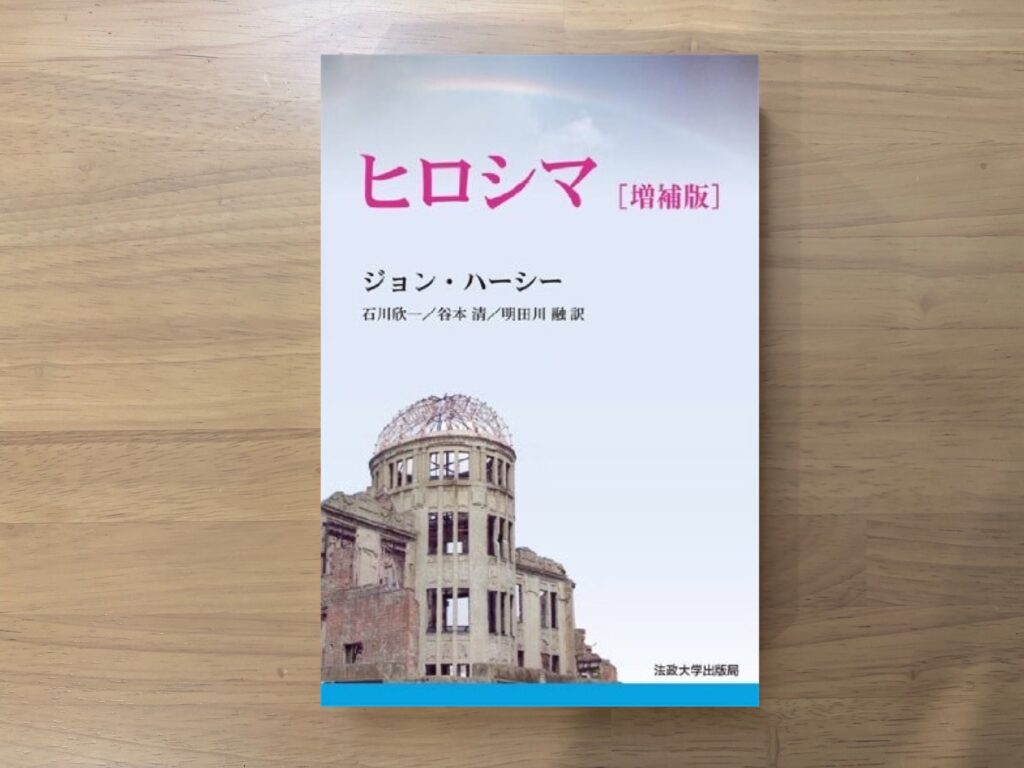
Hiroshima on August 6, 1945, as documented in Hiroshima
Best 5-Star Hotels in Hiroshima | Luxury Hotel Guide