8 Books About the Atomic Bombing and Peace Recommended by a Hiroshima Local
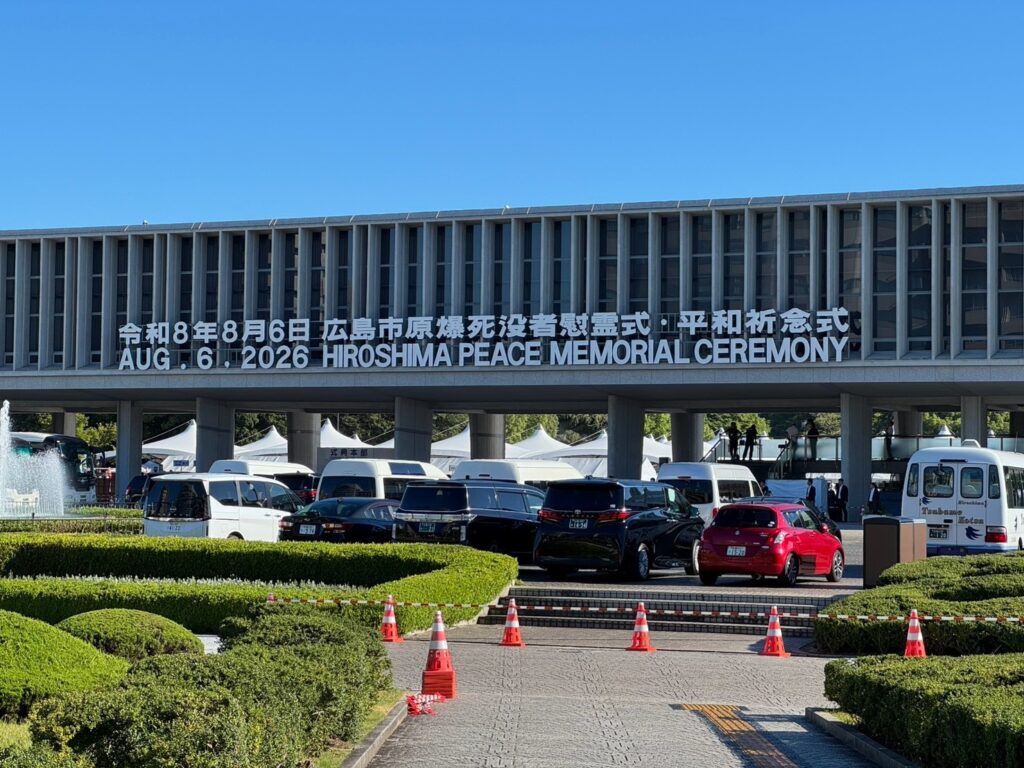
On August 6, 1945, an atomic bomb was dropped on Hiroshima, taking away countless lives and everyday moments. Even today, people in Hiroshima continue to learn about the atomic bombing through peace education in schools and the sharing of hibakusha testimonies.
As a third-generation atomic bomb survivor born and raised in Hiroshima, I have also learned about the bombing and war through school peace education and books over the years.
Books about the atomic bombing do more than describe the moment of destruction. Many also portray everyday life during wartime, the recovery of Hiroshima, and people’s hopes for peace. Reading these works can help us understand that behind this historical event were real people and ordinary lives.
In this article,I would like to introduce eight books about the atomic bombing that I believe are especially worth reading for learning about the realities of the atomic bombing and for learning more about Hiroshima and Nagasaki. I carefully selected books that are approachable even for first-time readers, so I hope you will find one that interests you.
8 Books About the Atomic Bombing and Peace
Hiroshima(ヒロシマ)
Hiroshima is a nonfiction work written by American journalist John Hersey. Based on interviews with six survivors of the atomic bombing, the book is widely regarded as one of the most important and internationally recognized works about Hiroshima and the atomic bombing.
Rather than focusing only on the moment of destruction, the book carefully describes the survivors’ lives, struggles, and experiences after the bombing. Through the personal stories of ordinary people, readers can better understand that the atomic bombing was something that happened within real human lives and communities.
Because the book is widely read around the world, it is often recommended as an introduction for international readers who want to learn more about Hiroshima and the atomic bombing.
It is especially recommended not only for those beginning to learn about Hiroshima and the atomic bombing, but also for those who wish to gain a deeper understanding of the atomic bombing and peace.
Black Rain(黒い雨)
Black Rain is a novel written by Japanese author Masuji Ibuse and is considered one of the most important literary works about Hiroshima after the atomic bombing. The title refers to the “black rain” that fell after the bombing, which contained radioactive fallout.
The novel carefully portrays how the atomic bombing changed people’s lives, as well as the fear, suffering, and uncertainty that continued long after the explosion itself. One of the book’s key themes is that the effects of the bombing did not end on the day it happened.
It is especially recommended for readers who would like to gain a deeper understanding of the people in Hiroshima who continued living while carrying various forms of suffering after the bombing.
Barefoot Gen(はだしのゲン)
Barefoot Gen is one of the most well-known manga works about the atomic bombing of Hiroshima. Based on the real experiences of author Keiji Nakazawa, who survived the bombing himself, the story vividly portrays Hiroshima immediately after the bombing, the lives of ordinary people, and the devastating impact of war.
In Hiroshima, this book is commonly found in school libraries and is often introduced through peace education programs, making it a very familiar work for many local people. In fact, many people from Hiroshima remember reading it during their school years, and it is often one of the first titles mentioned when talking about books related to the atomic bombing.
Although it is written in manga form and relatively approachable for first-time readers, it powerfully conveys the loss, suffering, and everyday realities experienced by the people of Hiroshima.
It is especially recommended for those who want to begin learning about the atomic bombing and peace.
HIROSHIMA A Tragedy Never to Be Repeated(絵で読む広島の原爆)
HIROSHIMA A Tragedy Never to Be Repeated is a book that helps readers learn about the atomic bombing through drawings and visual storytelling. By using illustrations alongside text, the book makes it easier to understand what Hiroshima was like at the time, how people lived, and the devastating impact of the bombing.
Because it is visually accessible and relatively easy to read, it is often recommended for children’s peace education and can sometimes be found in schools and libraries in Hiroshima.
Even for readers who may find the topic difficult or overwhelming, this book offers an approachable way to begin learning about the atomic bombing and Hiroshima’s history.
Nagasaki: Wanting to Pass On the Stories of the Atomic Bomb(ナガサキの命 伝えたい、原爆のこと)
Nagasaki: Wanting to Pass On the Stories of the Atomic Bomb is a book that explores the atomic bombing of Nagasaki and the experiences of survivors. While many books focus on Hiroshima, this work helps readers learn about what happened in Nagasaki, the lives of the people there, and their hopes for peace.
The book shares the story of Kayano Tsutsui, who experienced the atomic bombing in Nagasaki when she was only three years old. Through the perspective of a young child, readers are able to reflect on the realities of war and the atomic bombing in a more personal way.
It is especially recommended for readers who would like to learn about the experiences of atomic bomb survivors in Nagasaki, which differed from those in Hiroshima.
Paper Crane Journey: Carrying Sadako’s Prayer(おりづるの旅 さだこの祈りをのせて)
Paper Crane Journey: Carrying Sadako’s Prayer is a book about Sadako Sasaki, a girl who was exposed to the atomic bombing in Hiroshima, and the story of paper cranes that later became a symbol of peace. Sadako was only two years old when the bombing occurred, and years later she developed leukemia. Hoping to recover, she continued folding paper cranes while wishing for peace and healing.
Today, paper cranes are recognized around the world as a symbol of Hiroshima and peace, and many cranes are still sent to Hiroshima Peace Memorial Park every year.
This book introduces Sadako’s life and message of peace in a way that is approachable even for younger readers. It is especially recommended for readers who would like to learn how paper cranes became known around the world and the meaning of peace carried through them.
Hiroshima’s Revival(まんがで語りつぐ広島の復興)
Hiroshima’s Revival is a manga-style book that explains how Hiroshima recovered and rebuilt after the atomic bombing. In addition to describing the damage caused by the bombing, the book also shows how the city and the lives of its people gradually recovered afterward.
At the time, some people even said that “no grass would grow in Hiroshima for 75 years.” However, through the efforts of many people, the city slowly rebuilt itself. This book portrays the people who continued moving forward despite difficult circumstances and the process of reconstruction that eventually led to present-day Hiroshima.
It is especially recommended for readers who would like to learn not only about the atomic bombing, but also about Hiroshima’s recovery and journey toward peace.
In This Corner of the World(この世界の片隅に)
In This Corner of the World is a manga set in Kure, Hiroshima Prefecture during World War II, portraying the everyday lives of ordinary people living through the war. Although the atomic bombing itself is not the main focus of the story, the book shows how daily life gradually changed because of the war and what life was like in the Hiroshima area at that time.
The story also became a highly acclaimed animated film and is widely known both in Japan and internationally. In the later part of the story, the atomic bombing of Hiroshima is depicted, reminding readers that before the bombing there were ordinary people living ordinary lives.
The work encourages readers to think about war and the atomic bombing not only as historical events, but as events that affected real families and communities. Because it is written in manga form, it is approachable for many readers and is recommended for those who want to learn more about daily life in wartime Hiroshima.
Where Can You Read Books About the Atomic Bombing and Peace?
Books about the atomic bombing and peace can be found in libraries and peace-related facilities throughout Hiroshima. In Hiroshima, many people first encounter these books through school peace education programs and local libraries.
Here are some representative places where you can read books about the atomic bombing and peace.
Hiroshima City Central Library
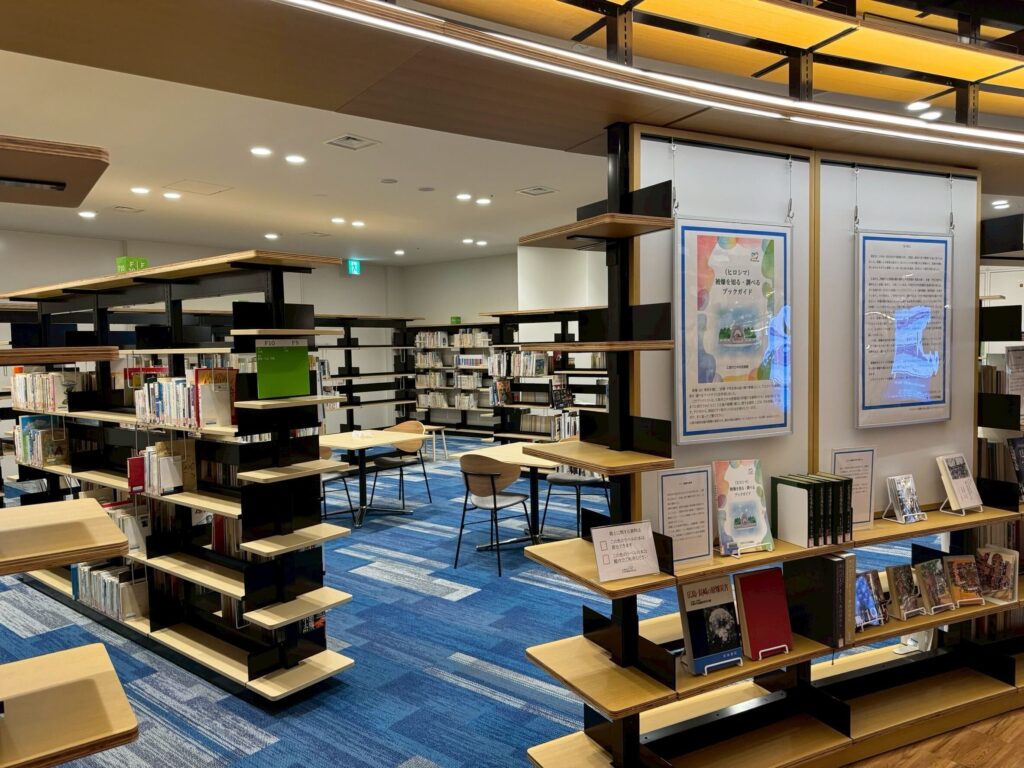
At Hiroshima City Central Library, visitors can find a wide range of books related to the atomic bombing and peace. The library includes survivor testimonies, books used for peace education, and materials about Hiroshima’s history and reconstruction.
In 2026, the library relocated to the Hiroshima Station area, making it much easier to access than before. Visitors are free to enter and read books inside the library, so even travelers visiting Hiroshima can easily stop by and explore the collection.
The library is accessible for both students and adults and is especially recommended for those who would like to casually pick up a book about the atomic bombing or peace for the first time.
Hiroshima Peace Memorial Museum
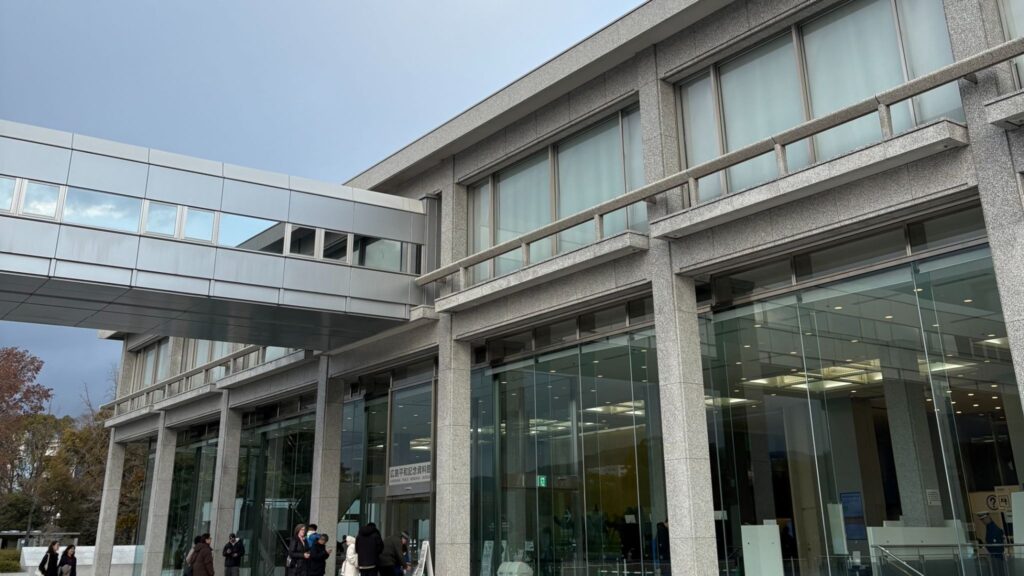
Hiroshima Peace Memorial Museum is one of the most important places to learn about the atomic bombing and what happened in Hiroshima at the time. Visitors can view historical materials, personal belongings, and survivor testimonies that help convey the realities of the bombing.
The museum shop also offers a wide selection of books related to the atomic bombing and peace. Reading these books after visiting the exhibits can help visitors gain a deeper understanding of the lives and experiences of the people affected by the bombing.
The museum is widely visited for peace education and is considered an essential place to visit in Hiroshima.
If you would like to learn more about Hiroshima Peace Memorial Museum, please refer to the article below.
Hotel Small World Hiroshima
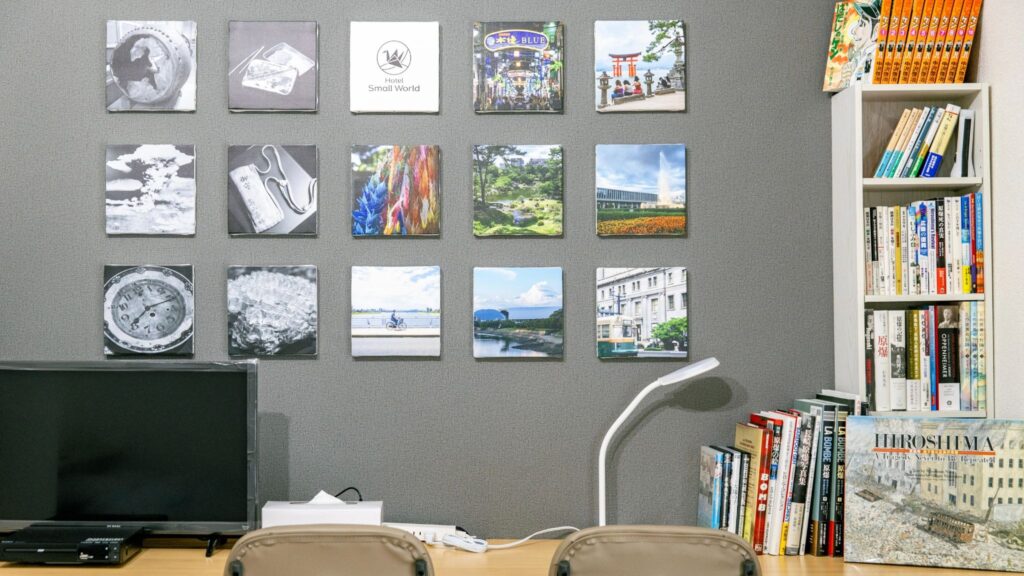
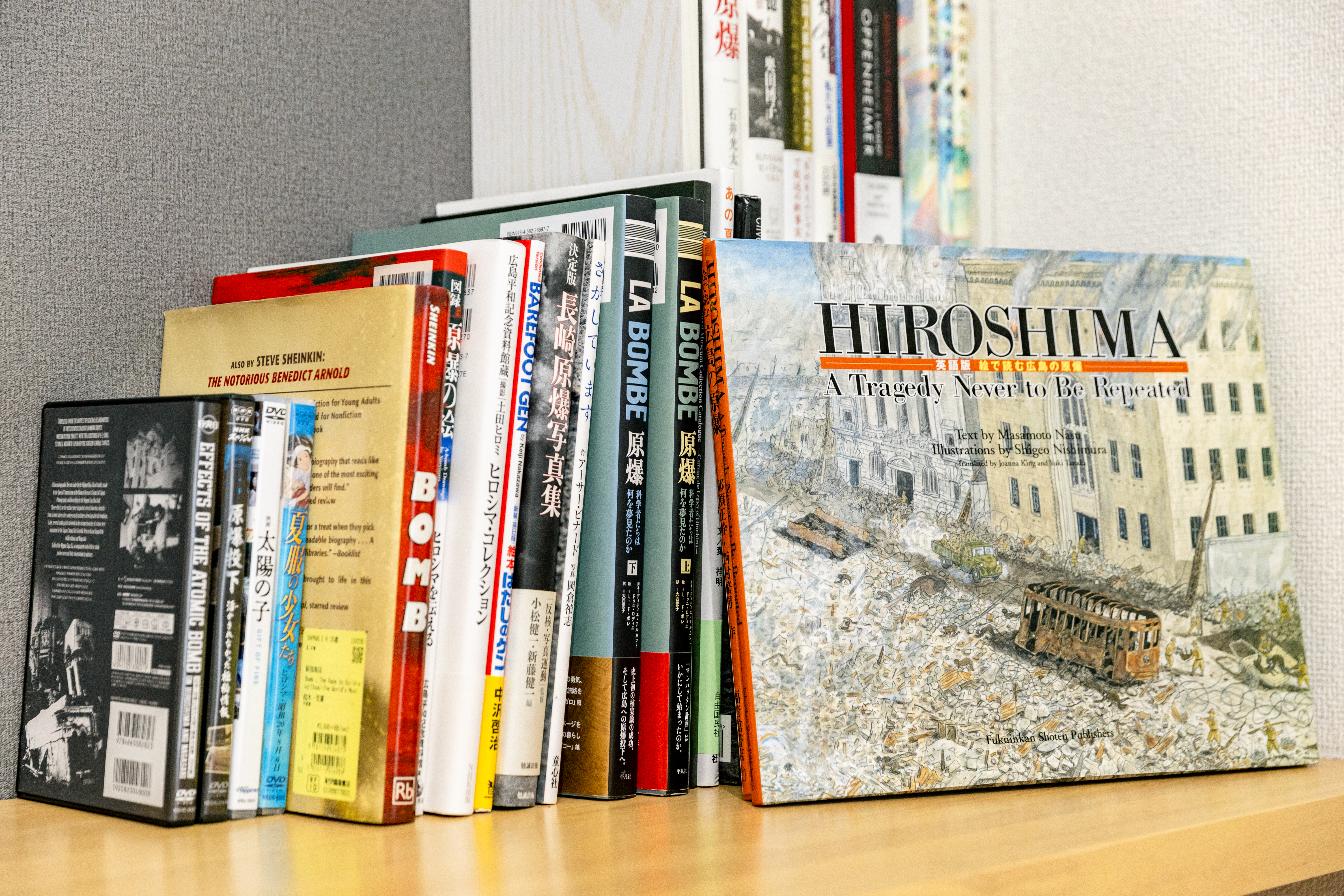
Hotel Small World Hiroshima is a concept hotel where guests can read books about peace, war, Hiroshima, and the atomic bombing directly in their rooms. Each room includes a selection of books related to Hiroshima, Nagasaki, and peace, creating a space where visitors can naturally reflect on these topics during their stay.
The hotel is especially recommended for those who would like to quietly spend time in their own space while thinking about peace and the atomic bombing through books. The books introduced in this article can also be read at Hotel Small World Hiroshima.
Conclusion
Books about the atomic bombing and peace explore not only the moment of destruction, but also everyday life during the war, Hiroshima’s recovery, and the experiences of people who continued living while carrying the effects of the bombing. Many of these works are written in approachable styles, including manga and illustrated books, making them accessible even for first-time readers.
In Hiroshima, people often learn about the atomic bombing through school peace education, but reading books can also help readers feel more connected to the lives and experiences of the people who lived through those events.
Many of the books introduced in this article are familiar works for people in Hiroshima and are commonly used in peace education. I hope you will start with whichever book interests you most.


Recommend
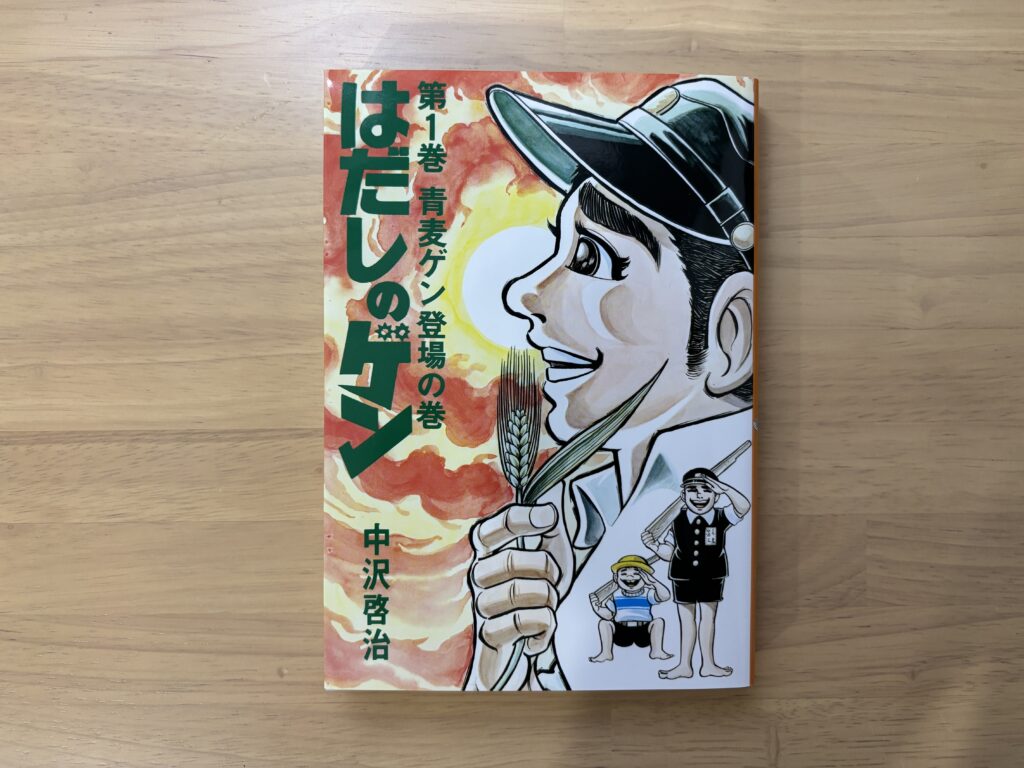
Learning About Hiroshima After the Atomic Bombing and the People Who Lived Through the Postwar Era Through Barefoot Gen
Here are some parking options, car-sharing services, and car rentals near Hotel Small World
What Is the Nagasaki Peace Memorial Ceremony? — A Prayer for Peace from “The Last City to Suffer an Atomic Bombing”