Honkawa Elementary School Peace Museum | Discover the School Featured in Barefoot Gen
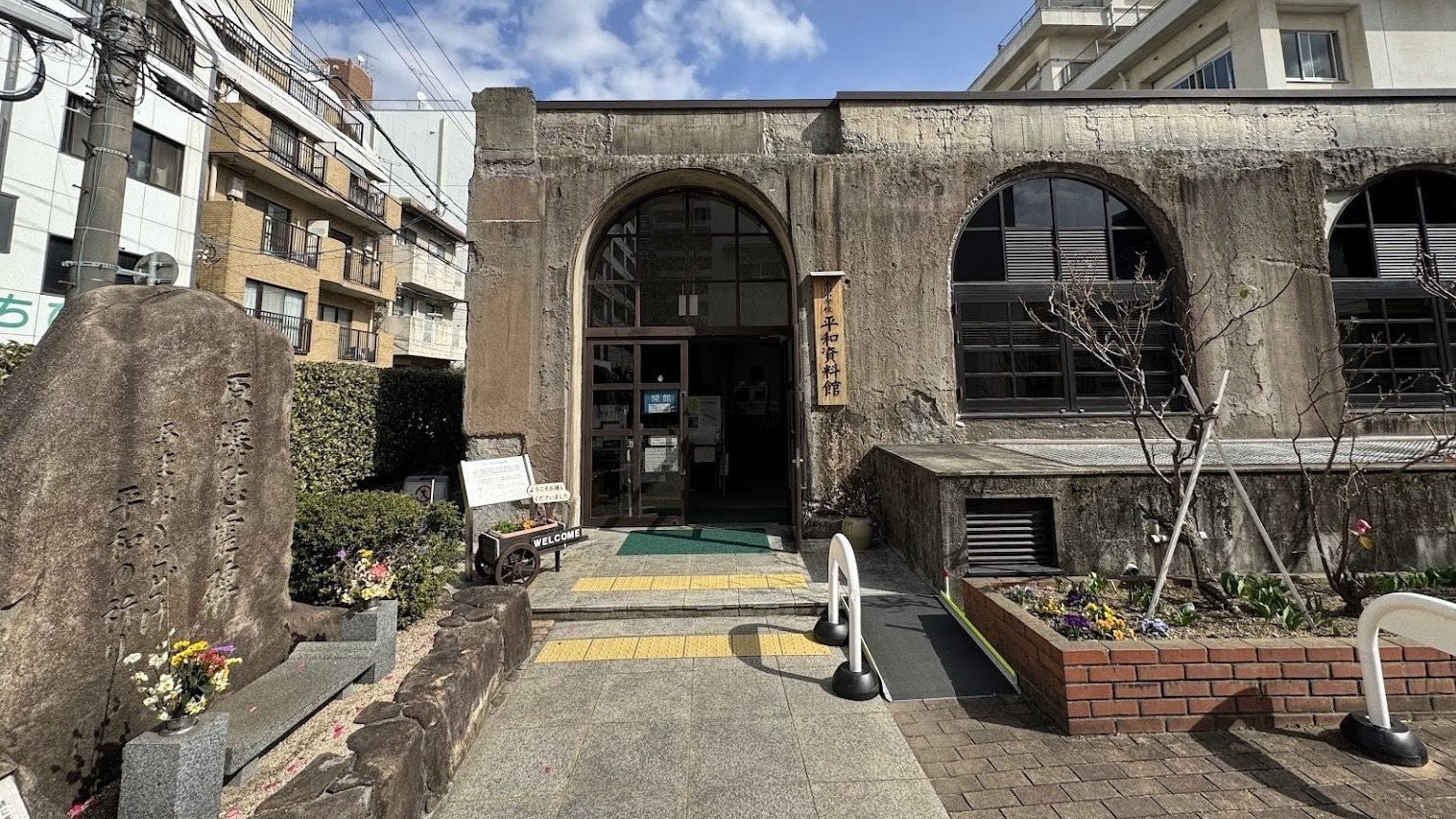
As you walk along the banks of the Honkawa River, which flows through the heart of Hiroshima City, a school that at first glance looks like any other elementary school comes into view. However, this school building is deeply imbued with Hiroshima’s history and a profound hope for peace. The place I visited this time is the Honkawa Elementary School Peace Museum. It preserves a section of the school building that was damaged by the atomic bomb and serves as a facility that conveys the horrors of war and the importance of peace to future generations, attracting many visitors.
Honkawa Elementary School, which was considered cutting-edge at the time
Honkawa Elementary School was built in 1928 (Showa 3) as Honkawa Elementary and Higher Elementary School. It was the first three-story reinforced concrete school building among public elementary schools in Hiroshima City at the time and is said to have been a very modern school. The L-shaped building featured a hall and a shoe-removal area, and was even equipped with a garbage chute for collecting trash from the second and third floors. Furthermore, arched designs were incorporated into the main entrance and windows, reflecting the building’s advanced and modern architecture.
Exposure to the atomic bomb at a distance of 410 meters from the hypocenter
However, on August 6, 1945, the school building suffered severe damage from the atomic bomb. The school, which had been designated as Honkawa National School, was located just 410 meters from the hypocenter and was directly exposed to the blast. The intense blast wave and extreme heat severely damaged the school building, claiming the lives of many students and staff members. It is reported that approximately 400 students and 10 staff members lost their lives at the time, with only two people miraculously surviving.
Although the building itself, constructed of reinforced concrete, avoided collapse, it was destroyed beyond recognition. Starting the day after the bombing, it was used as a temporary aid station, and many victims were brought there. Furthermore, it is said that numerous bodies of the deceased were cremated in the schoolyard. It is hard to imagine from the quiet schoolyard today, but the scars of war certainly remain at this site.
The Peace Museum: Preserving the Testimony of the Atomic Bombing for Future Generations
In 1988 (Showa 63), the Honkawa Elementary School Peace Museum opened, preserving part of the school building damaged by the atomic bomb and its basement. Inside the museum, the structure of the bombed building remains intact, and visitors can see traces of the fire damage in the basement. Even now, more than 80 years after the bombing, the school building, which retains its appearance from that time, is preserved as a valuable historical site that conveys the true nature of the atomic bomb.
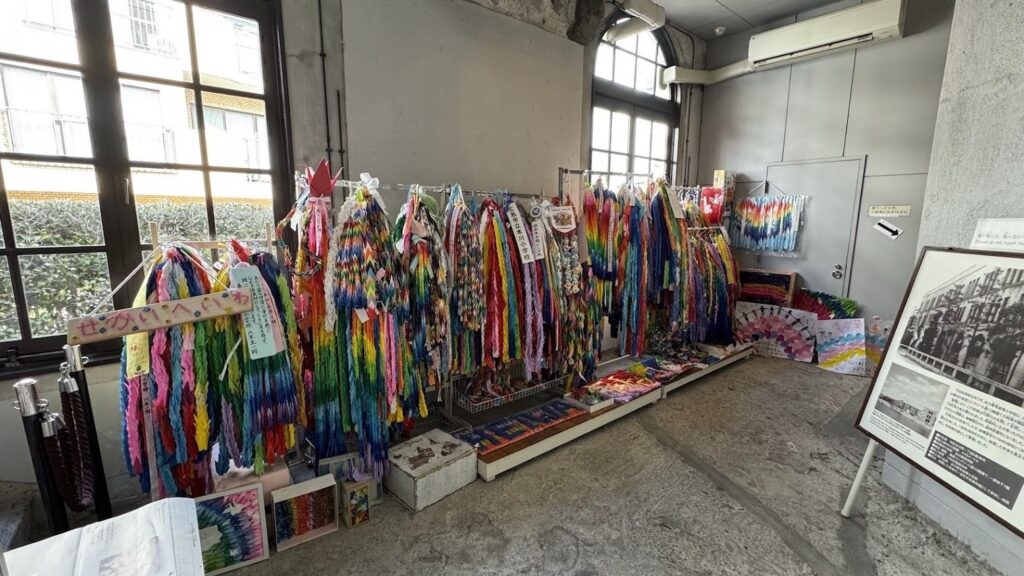
The museum displays photographs and personal belongings that document the damage caused by the atomic bomb, as well as models recreating the scene in Hiroshima immediately after the blast. What was particularly striking was that the school building itself—which was actually bombed—serves as an exhibit. Rather than simply viewing materials in glass cases, visitors can stand inside the bombed structure and experience the space firsthand, allowing them to feel the events of that time more intimately.
The school known as the setting for*Barefoot Gen*
This site is also known as the inspiration for “Honkawa National School” in the manga Barefoot Gen. If you’ve read the manga, you’ve likely heard of this place at least once. While Honkawa National School became widely known through Barefoot Gen, visiting it in person allows you to truly appreciate the gravity of the real-life events that formed the backdrop of the story.
A place where children continue to learn even today
What moved me most was the fact that this place continues to function as a “school” to this day. While many buildings damaged by the atomic bomb have been preserved as museums or historical sites, Honkawa Elementary School—though it houses a Peace Memorial Museum—remains the Hiroshima Municipal Honkawa Elementary School, where children continue to learn. The cheerful voices of the students can be heard right near the school building, and a peaceful everyday life unfolds there.
In a place where so many lives were lost to the atomic bomb, children are still learning, laughing, and growing toward the future. That scene felt to me as though it held a meaning far greater than the mere preservation of history. Never forgetting the tragic past and passing on hope for the future—is Motokawa Elementary School not the very place that embodies both of these things?
A moment of peace at Hotel Small World
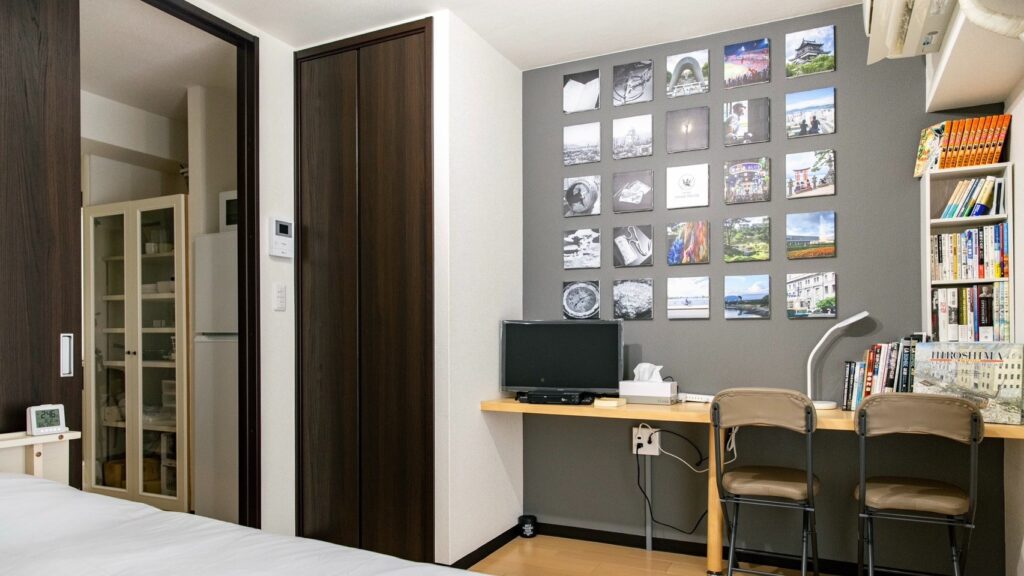
Hiroshima is home to many sites for learning about peace, such as the Peace Memorial Park and the Atomic Bomb Dome. The Honkawa Elementary School Peace Museum is another popular destination that attracts many visitors. If you’re planning a trip to Hiroshima to learn about history and peace, we recommend staying at Hotel Small World.
Hotel Small World is an accommodation facility built around the concept of “peace.” The hotel features materials and exhibits related to war, allowing guests to engage with history throughout their stay and spend time reflecting on war and peace. It is a space designed not only for sightseeing but also for each individual to deepen their thoughts on peace.
With excellent access—about a 15-minute bus ride or a 20-minute train ride from the Honkawa Elementary School Peace Museum—it is recommended as a base for sightseeing and peace education in Hiroshima City.
Summary
The Honkawa Elementary School Peace Museum is not merely a preserved site of an atomic-bombed building; it is a unique institution that functions as an “active school.” While preserving part of the school building damaged by the atomic bomb, it continues to serve as a place where children learn today.
This place, where the voices of children—the future generation—resound alongside the stories of the past, allows visitors to feel the preciousness of peace even more deeply. If you visit Hiroshima, please be sure to stop by the Motokawa Elementary School Peace Museum. There, you will find the reality of the atomic bombing—something that cannot be fully conveyed through textbooks or videos alone—and a sincere wish for peace that will be passed down to future generations. It will surely serve as an opportunity for every visitor to reflect anew on the true meaning of peace.
For details on opening hours, access, and other visitor information for the Honkawa Elementary School Peace Museum, please visit the official Hiroshima tourism website, “Dive! Hiroshima.”


Recommend
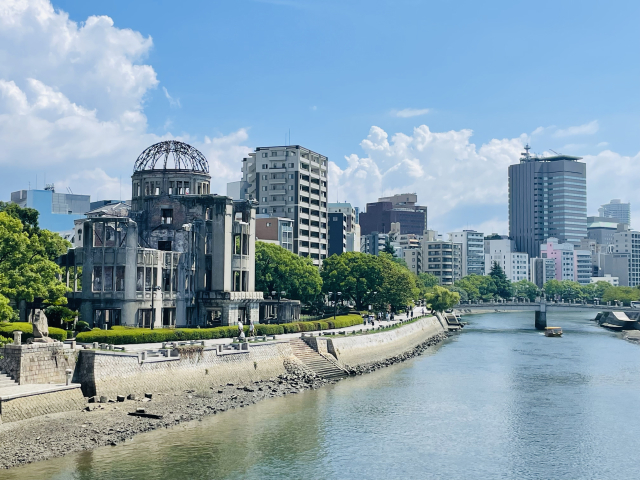
10 Best Historical Sites in Hiroshima to Learn About War and Peace
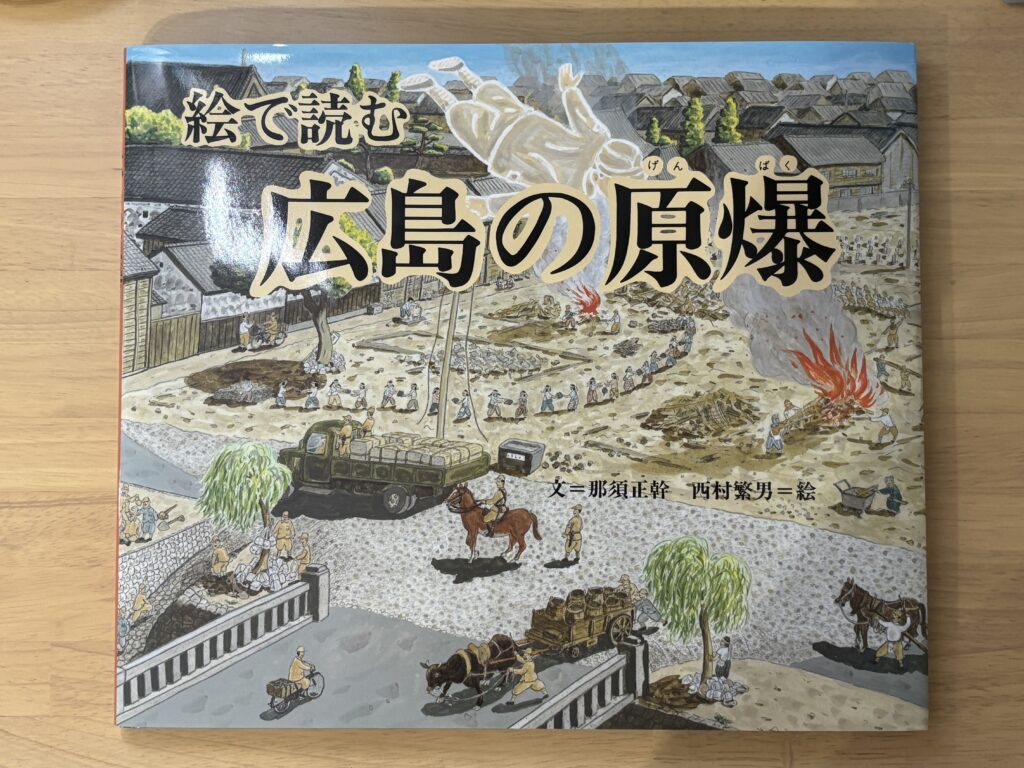
Learning About the Hiroshima Atomic Bombing Through “HIROSHIMA: A Tragedy Never to Be Repeated”
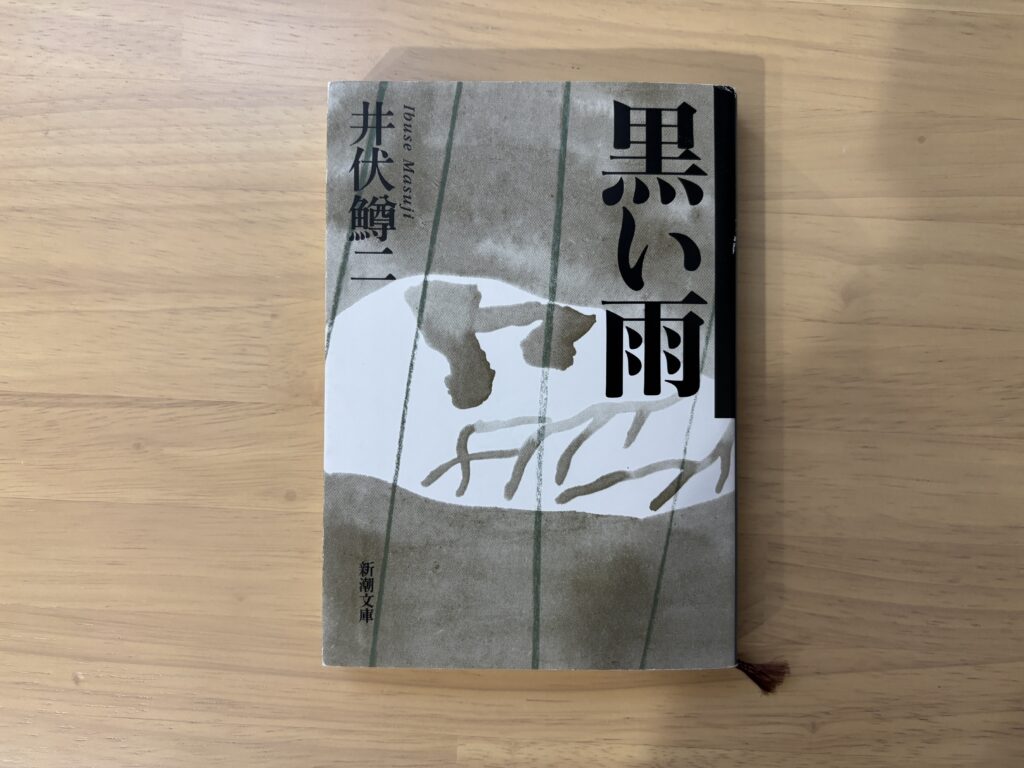
Rain That Fell on Hiroshima and Its Aftermath, as Depicted in “Black Rain”