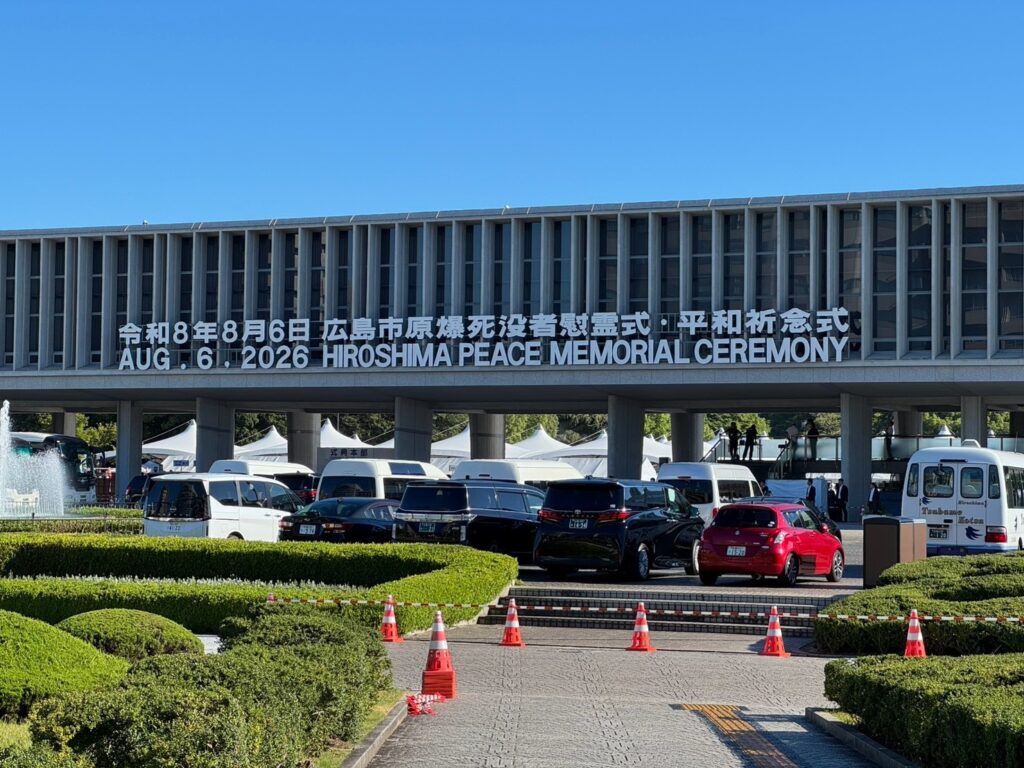
Learning About Hiroshima’s History at the Hiroshima Peace Memorial Museum — Encountering the Memories of the Atomic Bombing
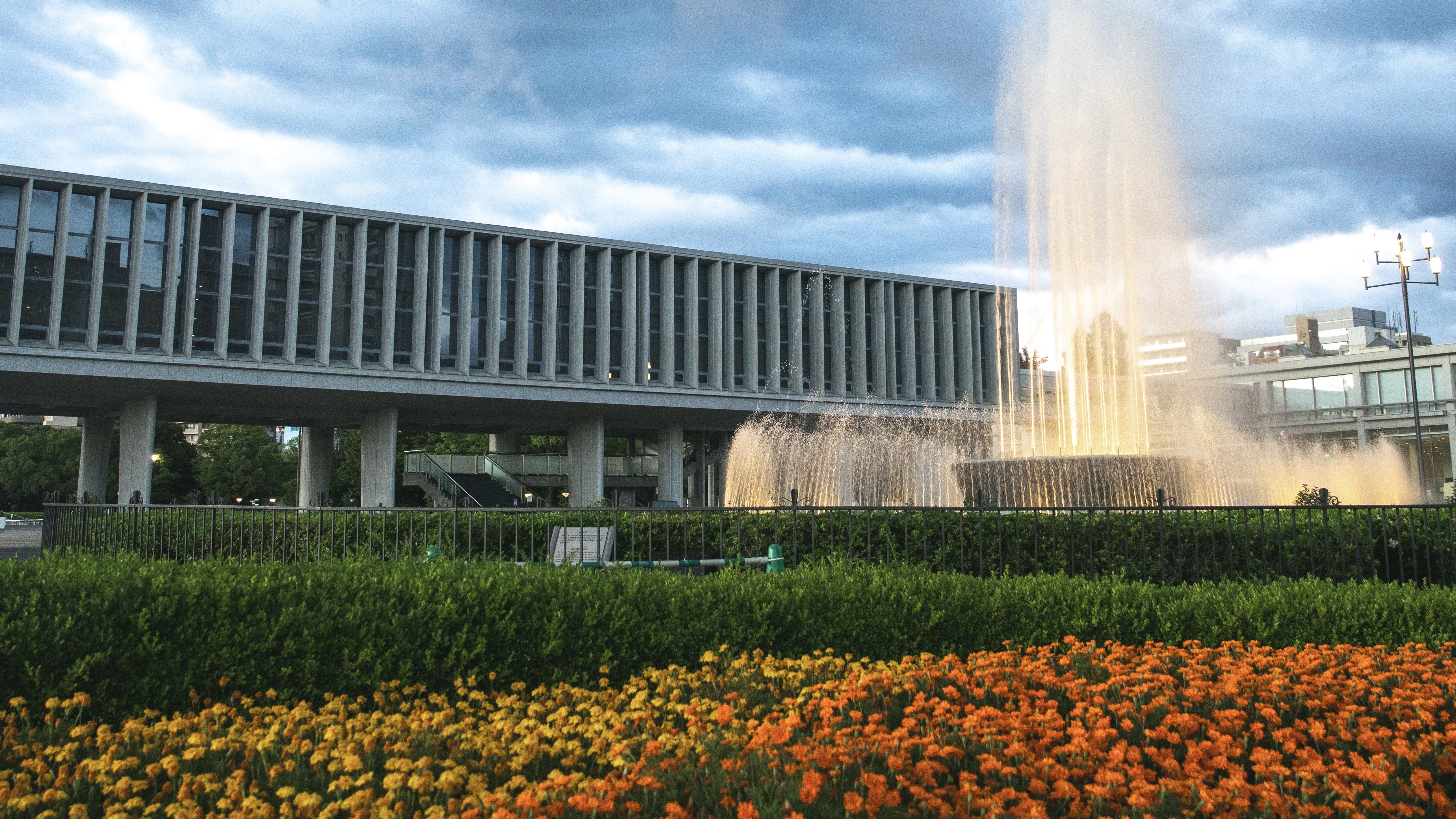
Visiting the Hiroshima Peace Memorial Museum
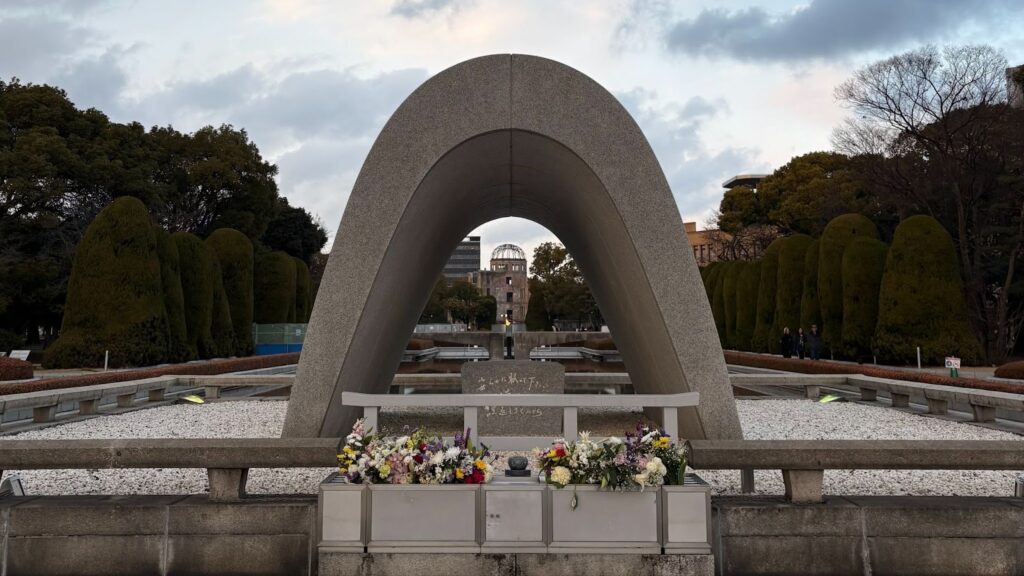
Hiroshima Peace Memorial Park stretches across the heart of Hiroshima City. Nestled within this serene space, surrounded by nature throughout the four seasons, stands the Hiroshima Peace Memorial Museum, which preserves and conveys the history of Hiroshima to this day. I recently visited the museum and, through its exhibits, gained a deeper understanding of what Hiroshima was like at the time of the atomic bombing and the experiences of its people.
Upon entering the museum, I was struck by the sight of students in school uniforms intently studying the exhibits. It struck me how important it is for the younger generation to have the opportunity to engage with history at an early age, and for those memories to be passed down across generations. As the number of survivors who directly experienced the atomic bombing continues to decline, the role of places like this may be growing ever more significant.
The Development of the Atomic Bomb and Its Historical Context
During World War II, the United States was carrying out the “Manhattan Project,” a program to develop the atomic bomb. Many scientists were involved in this project, with theoretical physicist J. Robert Oppenheimer serving as the chief scientist. After investing massive amounts of funding and conducting extensive research, the world’s first nuclear test, known as the “Trinity Test,” was successfully conducted in New Mexico in July 1945.
The atomic bomb thus completed was subsequently used toward the end of World War II.
The atomic bombings of Hiroshima and Nagasaki
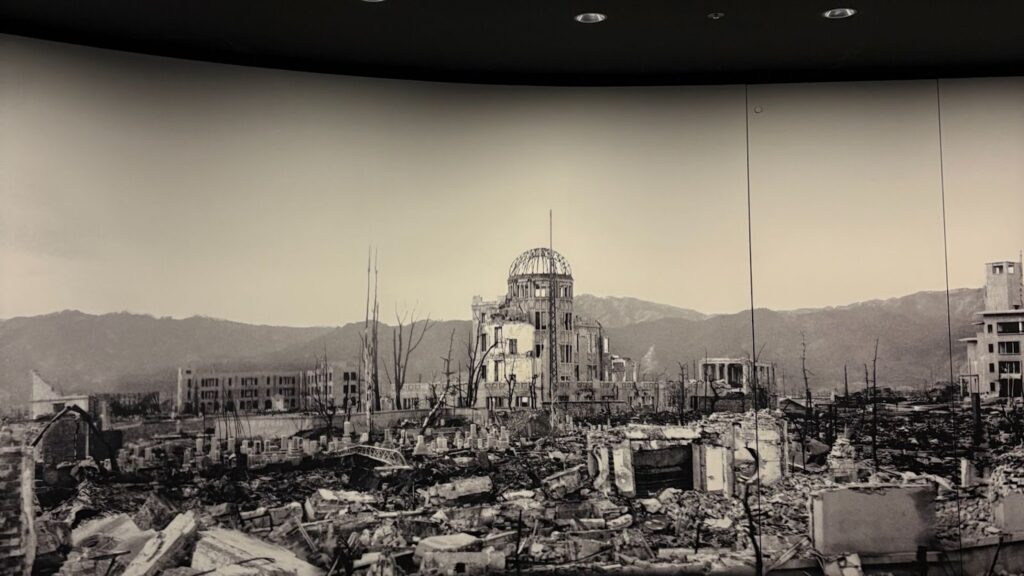
On August 6, 1945, the atomic bomb dropped on Hiroshima was a uranium-type bomb known as “Little Boy.” It weighed approximately 4 tons, and its explosive power is estimated to have been equivalent to about 15 kilotons of TNT. The explosion occurred at an altitude of about 600 meters above the city, causing widespread damage through intense heat rays, blast waves, and radiation.
Three days later, on August 9, an atomic bomb was also dropped on Nagasaki. This was a plutonium-type bomb known as “Fat Man.” Many citizens in Nagasaki also fell victim to the attack, and it is estimated that approximately 70,000 people had died by the end of 1945.
The museum explains these events through models, videos, and historical materials from the time, allowing visitors to gain a deep understanding of the structure of atomic bombs and the extent of their destructive power.
What happened in Hiroshima on August 6, 1945
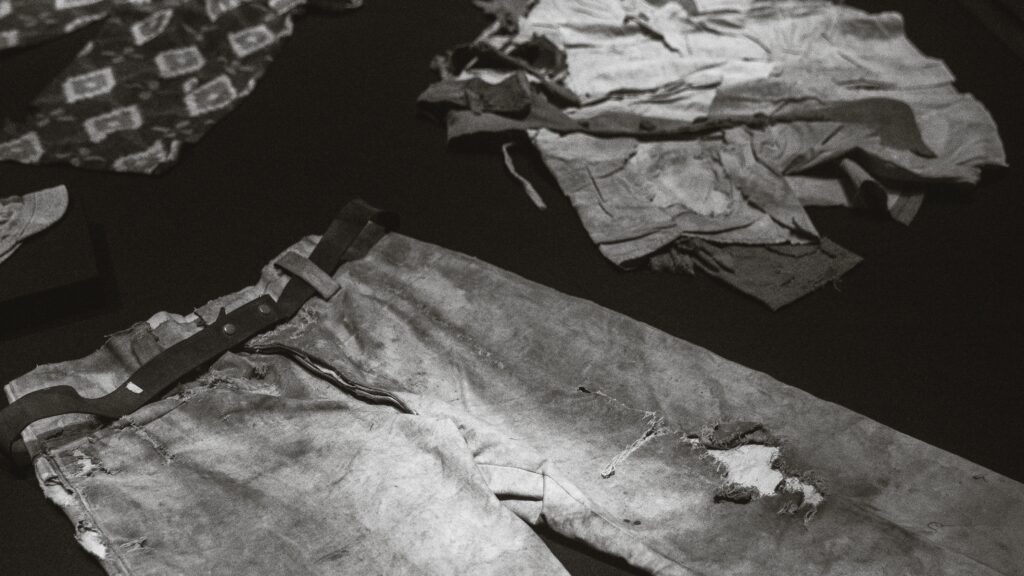
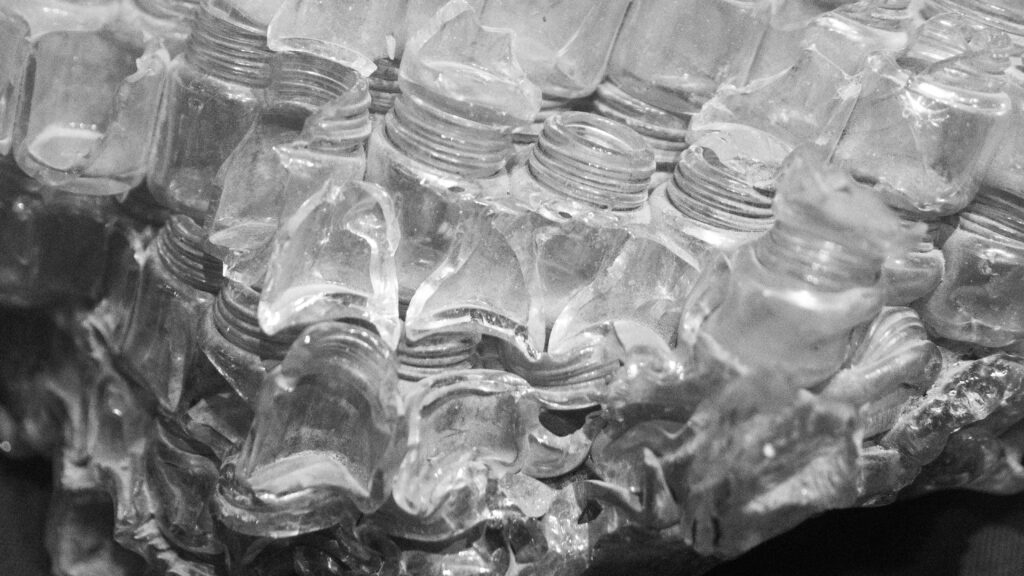
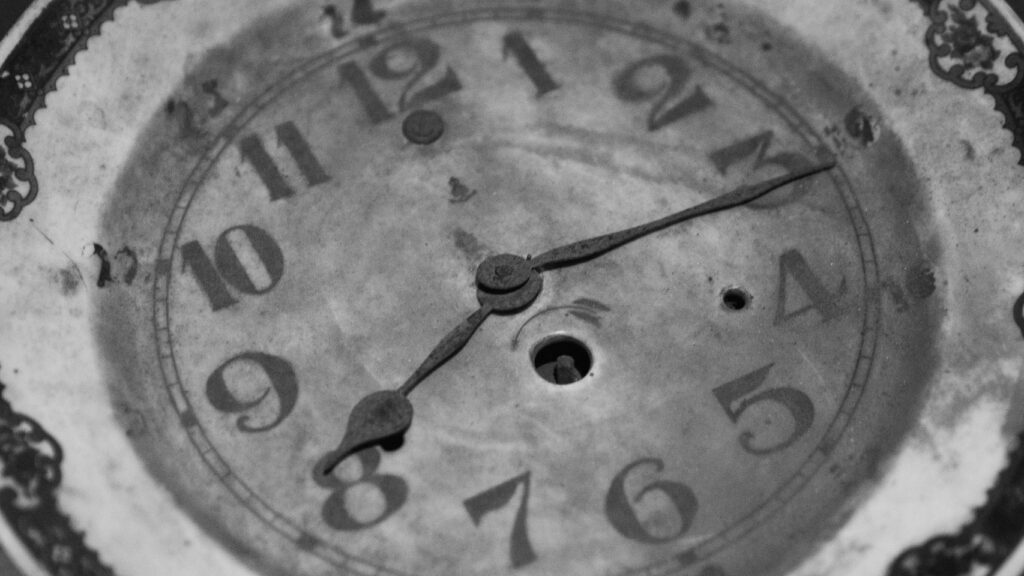
At 8:15 a.m. on August 6, 1945, an atomic bomb exploded approximately 600 meters above Hiroshima. The intense heat and blast wave instantly devastated a wide area of the city, and it is estimated that approximately 140,000 people had died by the end of 1945.
The museum displays numerous artifacts that tell the story of this event. Charred clothing, glass bottles warped by heat, and clocks frozen at the moment of the explosion. These relics convey the shock and the sheer intensity of the heat experienced at that time. I felt as though the events I had previously known only as statistics and history suddenly became a tangible reality through the actual objects before my eyes. It brought home the weight of the fact that everyday life was lost in an instant.
The reality the survivors faced
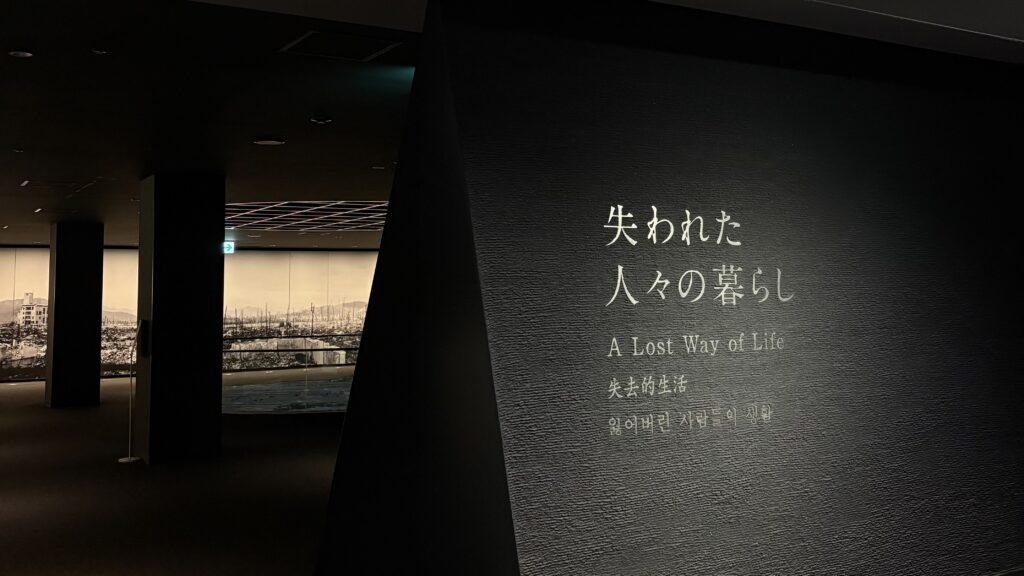
The exhibition conveys more than just the records of those who died. It also sheds light on the lives of those who survived the atomic bombings. There were people who continued to suffer from the aftereffects of severe burns and illnesses caused by radiation. There was the harsh reality that, having lost their families, homes, and livelihoods, they had to carry on living despite their deep grief.
Even for those who survived, life afterward was far from easy—marked by anxiety about illness, discrimination and prejudice, and economic hardship. The testimonies of survivors, photographs, and historical records convey the suffering they had to face precisely because they had survived. As I moved through the exhibition, there were many moments that made me reflect on the weight of “living” itself.
A Fresh Start from the Ashes
At the same time, even amid such harsh conditions, people gradually rebuilt their lives and began the journey toward recovery. Photographs and documents from that era convey the determination of people striving to reclaim their daily lives—repairing homes, finding work, and supporting their families amidst the ruins of their city. I felt the strength of the citizens who, while confronting profound grief, chose to look forward and carry on.
Now, as nearly 80 years have passed since the atomic bombings, the generation that experienced those events firsthand is dwindling year by year. That is precisely why engaging with the records and testimonies at the museum provides an opportunity to view past events not as “distant history,” but as a personal concern. The weight of the actual artifacts and the individual stories told there offer a sense of reality that cannot be conveyed through text or video alone.
The Current Global Situation Regarding Nuclear Weapons
After World War II, nuclear weapons became a key element in international politics. Today, the countries believed to possess nuclear weapons include the United States, Russia, China, France, and the United Kingdom, as well as India, Pakistan, and North Korea.
These nuclear weapons are often discussed primarily in the context of military strategy and national security, and their treatment is considered within the framework of each country’s policies and the international situation. The museum’s exhibits also touch on the impact that the events in Hiroshima and Nagasaki had on the world thereafter, allowing visitors to gain an understanding of the historical trajectory surrounding nuclear weapons.
A gaze that crosses borders
As I walk through the museum, I am struck by the sight of many international visitors intently studying the exhibits. While the history of the atomic bombings is an event that took place within Japan, it is also part of world history. Consequently, I see people from various countries and regions engaging with this history here and deepening their understanding from their own unique perspectives.
The way people confront the events of the past through these exhibits seems to be something we all share, transcending nationality and generation.
Domestic and international support for reconstruction
Although Hiroshima and Nagasaki suffered catastrophic damage from the atomic bombs, their subsequent recovery was made possible by the efforts of many people. Amid the ruins of their cities, citizens worked to rebuild their lives, and gradually the cities regained their vitality.
Records also document the various forms of support received from both within Japan and abroad. This included medical assistance, the provision of supplies, and even cross-border support at the grassroots level, such as adoption programs for orphans of the atomic bombings. The museum highlights these events, demonstrating that the reconstruction process was made possible by the cooperation of many people.
Experience Hiroshima’s history at Hotel Small World
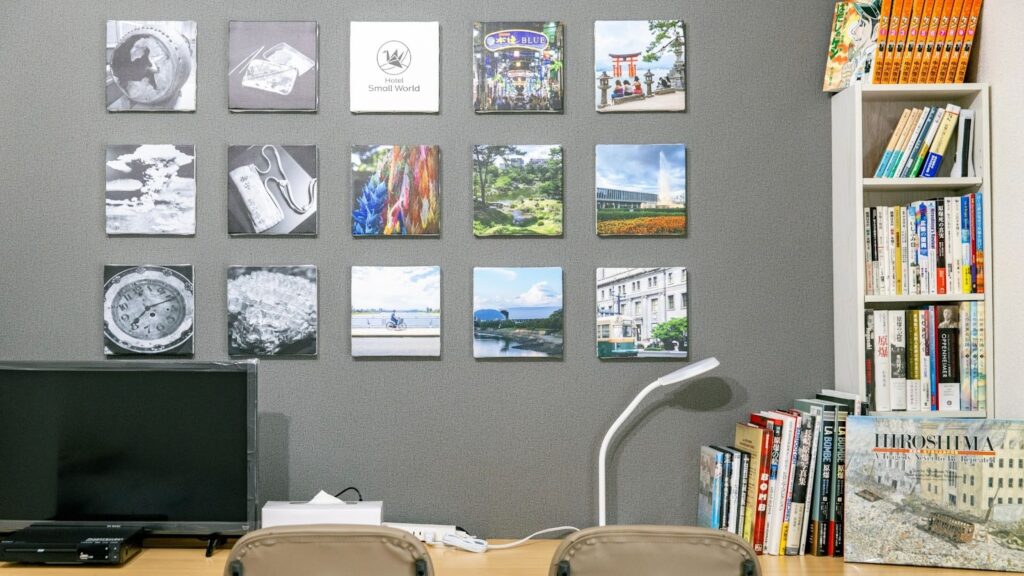
After learning about this history, one place where you can gain a deeper, more personal understanding of Hiroshima’s journey is the peace-themed Hotel Small World. The hotel features exhibits of war-related materials and photographs, offering guests an opportunity to learn about Hiroshima’s history during their stay.
By engaging with history not only through visiting museums but also through your accommodation, you may gain a deeper understanding of the city of Hiroshima. Located about a 13-minute walk from Hiroshima Peace Memorial Park, the hotel offers excellent access to the city center, making it an ideal base for sightseeing.
Summary
The serene Hiroshima Peace Memorial Park and the Hiroshima Peace Memorial Museum that stands within it are not only places that convey memories of sorrow, but also important sites for learning about history and building a bridge to the future.
When visiting Hiroshima, we encourage you to experience history at the Hiroshima Peace Memorial Museum and deepen your understanding of the events of that time and their context. During your stay, we hope you will take a moment to reflect on the history of Hiroshima while enjoying a quiet time in the serene atmosphere of Hotel Small World.


Recommend
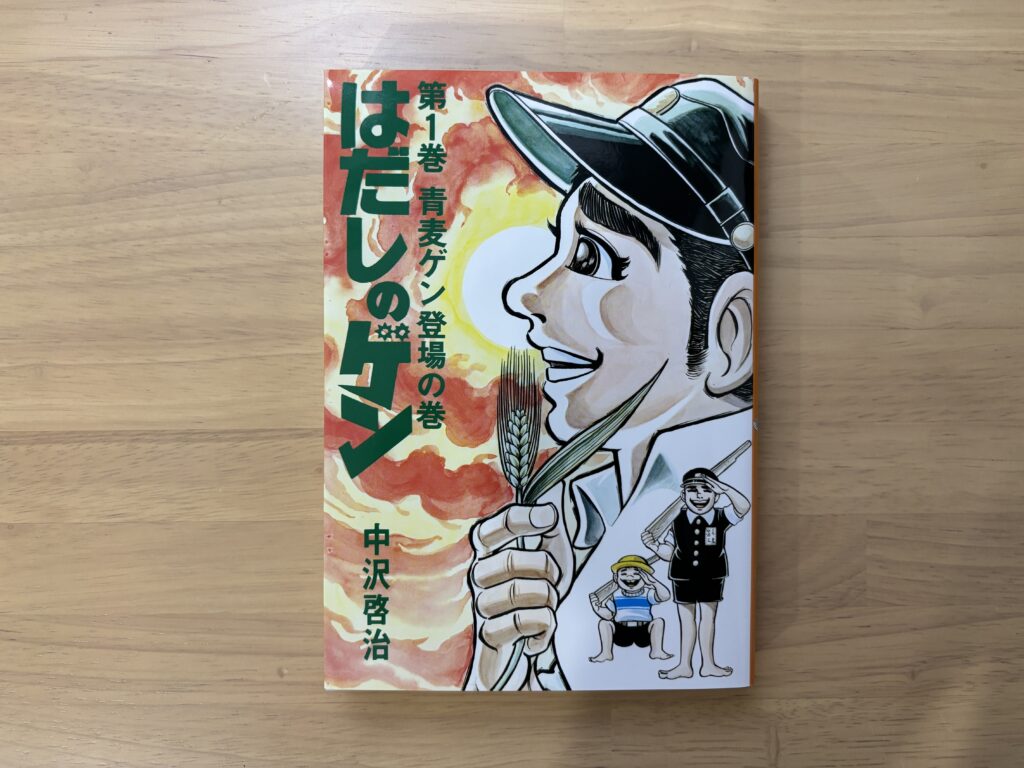
Learning About Hiroshima After the Atomic Bombing and the People Who Lived Through the Postwar Era Through Barefoot Gen
Here are some parking options, car-sharing services, and car rentals near Hotel Small World
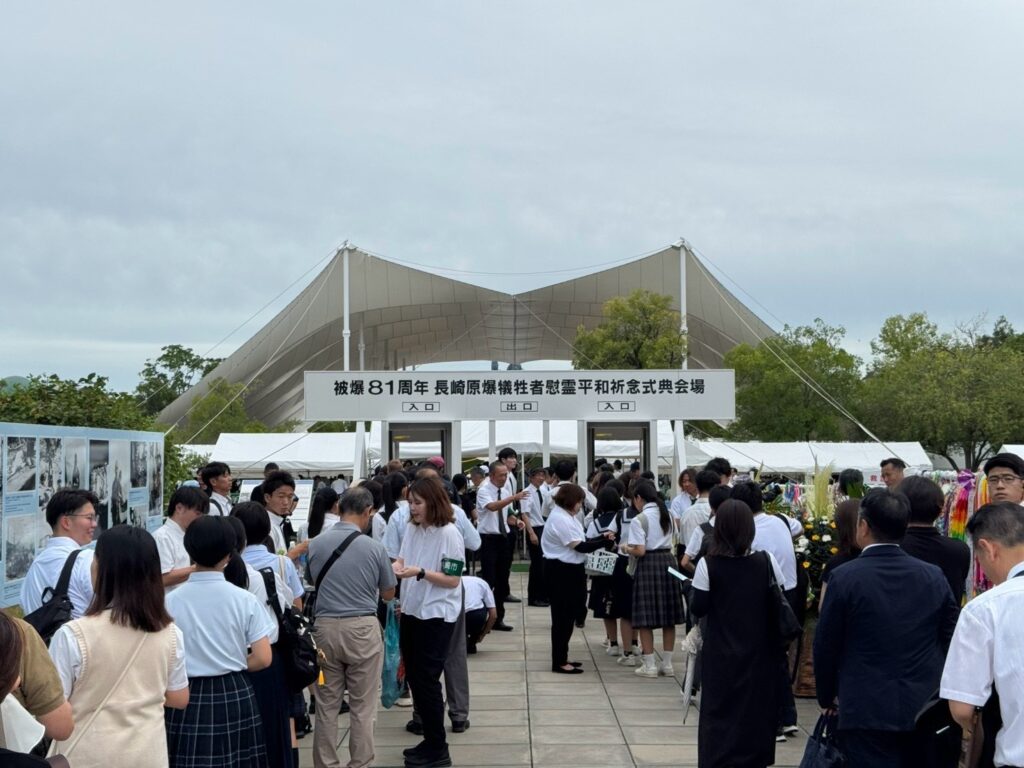
What Is the Nagasaki Peace Memorial Ceremony? — A Prayer for Peace from “The Last City to Suffer an Atomic Bombing”