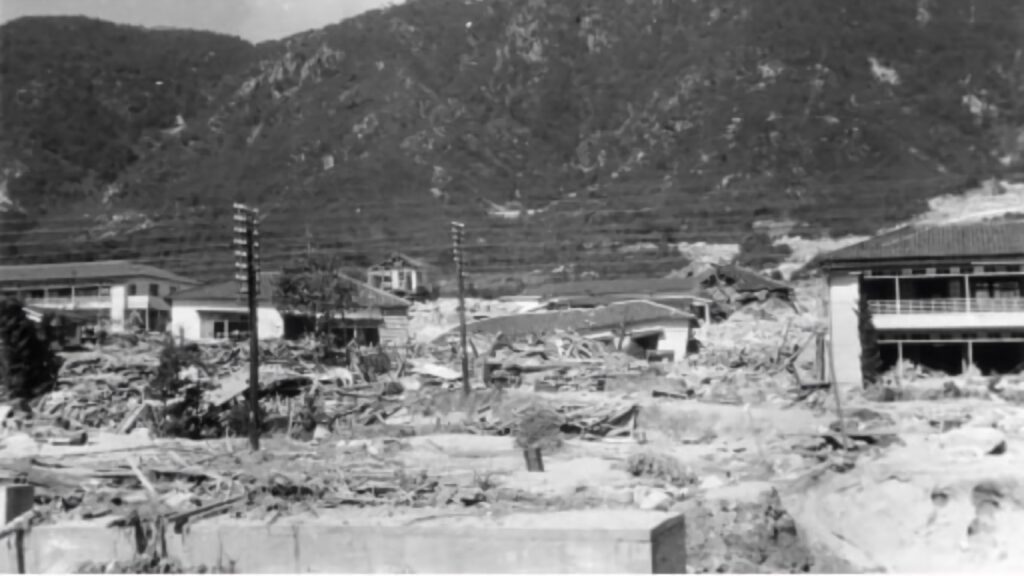
Learning About Hiroshima After the Atomic Bombing and the People Who Lived Through the Postwar Era Through Barefoot Gen
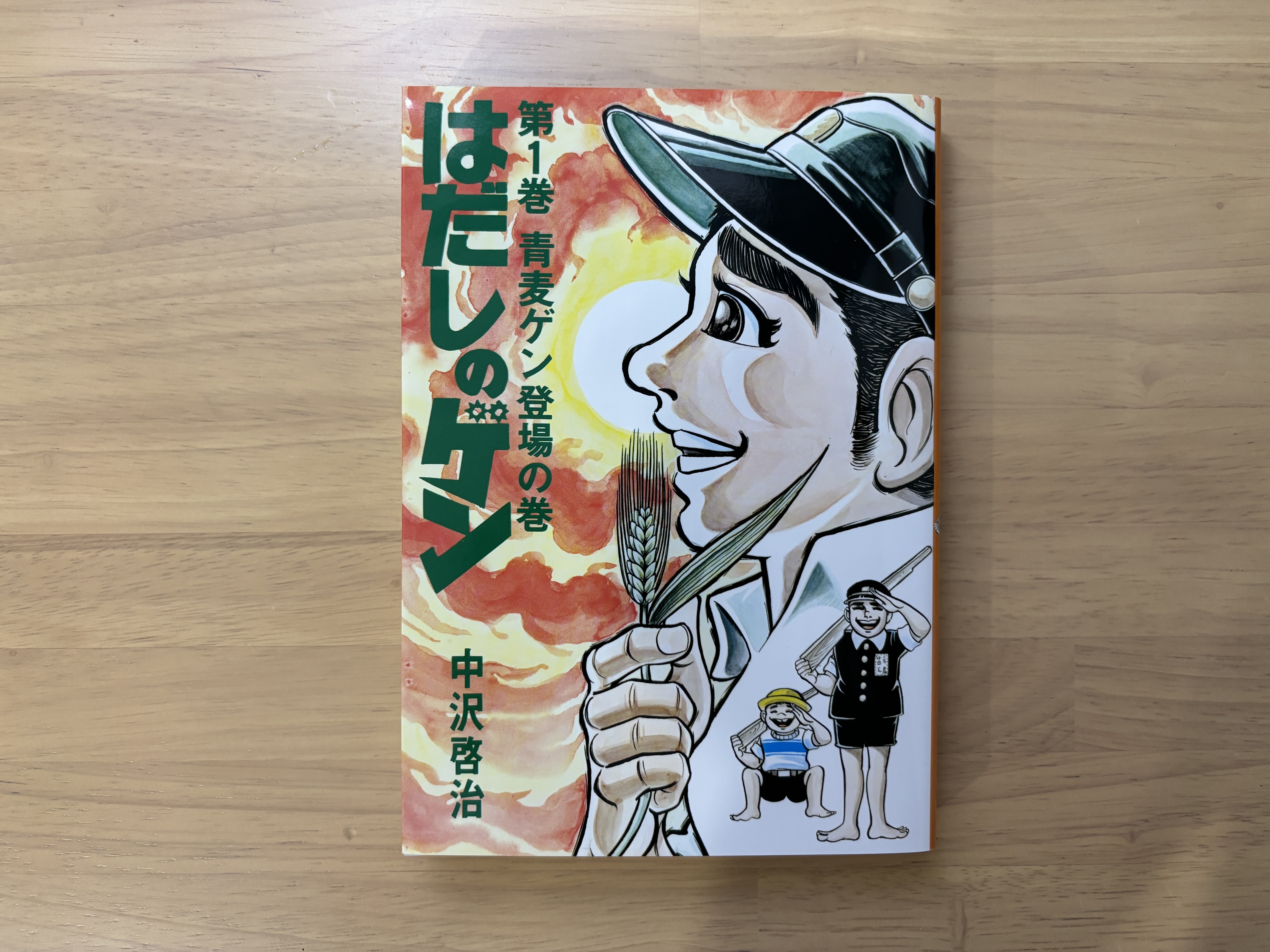
Among works set in Hiroshima, Barefoot Gen is one of the manga series that has been read and passed down for many years.
While it is known as a work that deals with the atomic bomb and war, Barefoot Gen does not merely depict “that moment” when the atomic bomb was dropped.
Taking the atomic bombing on August 6, 1945, as a turning point, the story depicts how people—who had lost the everyday lives they once took for granted—survived in the scorched ruins of Hiroshima. Through the eyes of a young boy named Gen Nakaoka, the manga portrays the lasting impact of war on people’s lives, including the grief of losing family members, the harsh postwar conditions, and the health effects of the bombing.
In this article, we’ll introduce Barefoot Gen.
A work inspired by author Keiji Nakazawa’s own experience as a survivor of the atomic bombing
The author of Barefoot Gen is manga artist Keiji Nakazawa.
Mr. Nakazawa was born in Hiroshima City in 1939 and was exposed to the atomic bomb in Hiroshima on August 6, 1945, when he was six years old.
Nakazawa was at a national school located about 1.2 km from the hypocenter when the bomb exploded; he miraculously survived after being trapped between two walls of the building. However, at his home, his father, older sister, and younger brother were buried under the rubble of their collapsed house and later perished in the ensuing fire.
Nakazawa, who survived along with his mother, witnessed the plight of people in Hiroshima who had lost their families and homes due to the atomic bomb.
These personal experiences form the foundation for Barefoot Gen.
However, the protagonist, Gen Nakaoka, his family, and the events depicted in the story are not a direct representation of Nakazawa’s own life.
Barefoot Gen is a work based on Nakazawa’s own experience of the atomic bombing, drawing on the city of Hiroshima as he actually saw it, the lives of the people living there, and his own memories and feelings of having lived through the war.
The work weaves together not only his own experiences but also the scenes he witnessed as a boy living through that era and the people he observed in postwar Hiroshima.
For this reason, Barefoot Gen is not merely a personal account; it can be read as an autobiographical manga that, through the memories of a single atomic bomb survivor, depicts the scenes people saw in Hiroshima at that time and the lives that were transformed by the war.
The story begins in Hiroshima before the atomic bomb was dropped.
The protagonist of the story is Gen Nakaoka, a boy living in Hiroshima.
Gen’s family was by no means wealthy, but they supported one another and lived together.
The first half of the story depicts life in Hiroshima during the war. It offers a glimpse into how people lived amid wartime shortages, when food and daily necessities were hard to come by.
Then, on August 6, 1945, the atomic bomb was dropped on Hiroshima.
Gen survived because he was near a building, but he lost his father, older sister, and younger brother. The everyday life he had shared with his family was lost in an instant.
The rest of the story follows the lives of Gen and his mother as they continue to live in Hiroshima, a city that suffered immense damage from the atomic bombing.
The “Postwar Era” That Awaits After the Atomic Bombings
One of the distinctive features of Barefoot Gen is that the story does not end with the atomic bombing alone.
Rather, it focuses extensively on life after the bombing.
In Hiroshima, where many buildings had been destroyed and food was scarce, Gen and his family had to take on various jobs just to survive.
Just because the war ended did not mean that people’s suffering disappeared immediately.
Problems caused by the war—such as children who had lost their families, people who had lost their homes, and those suffering from health problems caused by the atomic bomb—continued into postwar life.
The story also depicts children who lost their families due to the war, such as when Gen meets Ryuta and other atomic bomb orphans.
The work also depicts how the effects of the atomic bombings—such as discrimination based on having been exposed to the bomb—continued to impact people’s lives for a long time.
In that sense, I feel that Barefoot Gen is a work that touches not only on the facts of “what happened as a result of the atomic bombings,” but also on what the people who experienced those events felt, thought, and how they tried to live their lives afterward.
The story depicts the emotions and daily lives of each individual—such as the grief of losing family members, anxiety about an uncertain future, the struggle to survive, and mutual support among those around them—aspects that are difficult to grasp when viewed solely as historical events.
Of course, simply reading the work does not allow us to fully understand the feelings of the people at that time. Nevertheless, learning about Hiroshima through the eyes of a single boy provides an opportunity to imagine the atomic bombing and the war not merely as “events of the past,” but as a time when each person had their own life, their own family, and a daily routine they never wanted to lose.
Gen, who strives to live even in the midst of suffering
The work features many harrowing scenes of war and the atomic bombing.
At the same time, Gen is not just a boy who remains in constant sorrow.
Through his relationships with his family and friends, he faces difficulties time and again, yet he still strives to go on living.
“Wheat” appears as an important motif in the work. Wheat is a plant that, even when trampled, rises again and continues to grow. This is superimposed onto Gen’s struggle to survive even in harsh conditions.
For this reason, Barefoot Gen can be read not only as a work depicting the horrors of war and the atomic bomb, but also as a story portraying the human spirit’s determination to live even in the face of great adversity.
How many volumes are there in Barefoot Gen?
Several series of Barefoot Gen have been published to date, and the number of volumes varies depending on the series.
The “Comic Edition” published by Chobunsha, which is widely known today, consists of 10 volumes. Chobunsha has also published a 10-volume “Collector’s Edition.”
On the other hand, the Barefoot Gen: Complete Edition published by Kinnohoshisha consists of 7 volumes.
As you can see, even though it’s the same Barefoot Gen, the number of volumes and the format of the books differ depending on the series. If you’re thinking of reading it, we recommend checking which series it is when you pick it up at a bookstore or library.
“Barefoot Gen,” which is read overseas as well
“Barefoot Gen” has been introduced not only in Japan but also overseas.
The English title is “Barefoot Gen.” It has been translated into several languages, including English, and has been read abroad.
“Barefoot Gen,” which is also available in English, serves as one way for visitors to Hiroshima from abroad to learn about the city’s history.
In addition to visiting the Atomic Bomb Dome and the Hiroshima Peace Memorial Museum, readers can also learn about the lives of the people who lived in Hiroshima at that time and the everyday life lost to the war through works like this.
The manga format is particularly recommended because it allows readers to not only learn the facts through text but also to connect with the emotions of the people of that era through the characters’ expressions and actions.
Pick up a book at Hotel Small World that offers a glimpse into Hiroshima’s history
At Hotel Small World, with “peace” as our theme, we provide a wide selection of books in our guest rooms that allow you to learn about Hiroshima’s history, the atomic bombing, and peace. Barefoot Gen is one of them.
If you take a moment to open a book during your trip, it might give you a glimpse into what the city of Hiroshima was like in the past. Reading before visiting the Atomic Bomb Dome or the Hiroshima Peace Memorial Museum will broaden your perspective as you view the exhibits, and reading afterward will allow you to compare the places you’ve actually seen with the Hiroshima depicted in the book.
In addition, Hotel Small World offers a wide selection of books not only in Japanese but also in English, so international guests can also learn about Hiroshima’s history.
Summary
As people who actually experienced the war continue to age, opportunities to hear their firsthand accounts are becoming increasingly rare. That is precisely why it is so important to preserve the experiences of those who lived through that time in various forms—such as testimonies, memoirs, photographs, videos, and books.
The depiction of Hiroshima immediately after the atomic bombing in Barefoot Gen is so vastly different from the cityscape we see today that it is hard to imagine. Even in Hiroshima—where many people now live and tourists come and go—there were once people whose daily lives were shattered by the war.
We who live today may never fully understand the fear and suffering felt by the people of that era. Still, by learning about life back then through the story of a single boy and imagining, “What if I had lived during that time?”—I feel this helps prevent the past from becoming merely a distant event and instead provides an opportunity to reflect on the people who lived through it.
During your stay at Hotel Small World, please take the time to pick up a book or browse through the materials available to learn more about Hiroshima’s history.


Recommend
Here are some parking options, car-sharing services, and car rentals near Hotel Small World
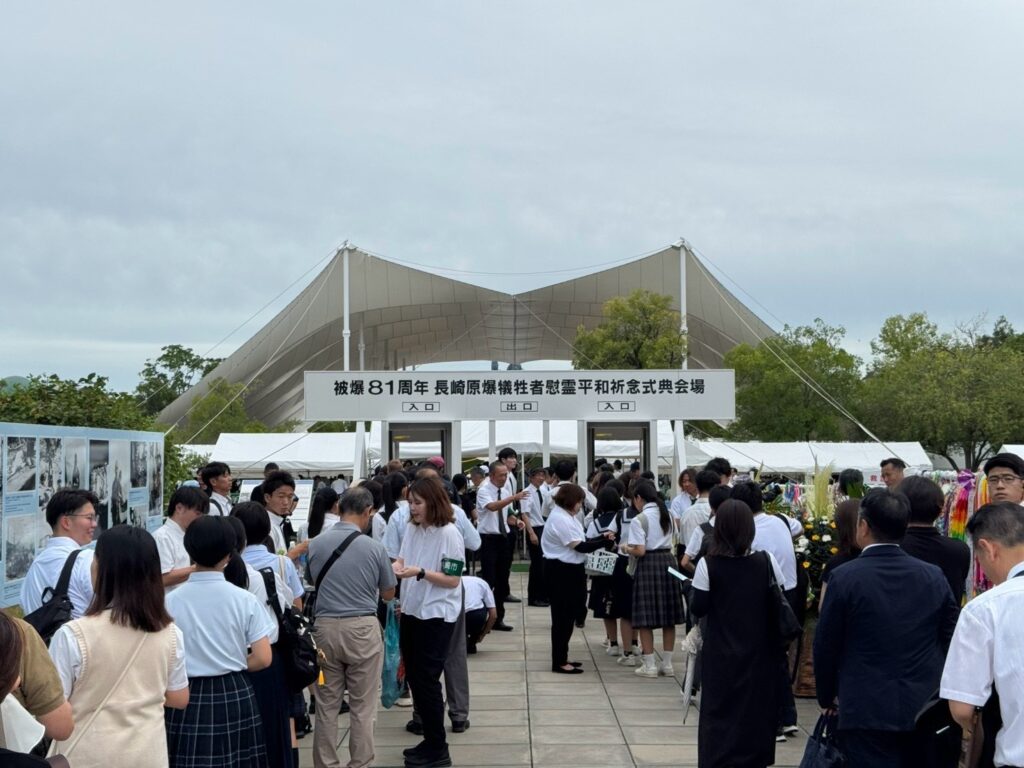
What Is the Nagasaki Peace Memorial Ceremony? — A Prayer for Peace from “The Last City to Suffer an Atomic Bombing”
What Is the Hiroshima Peace Memorial Ceremony? — Prayers for “Peace” Passed Down Through the Generations