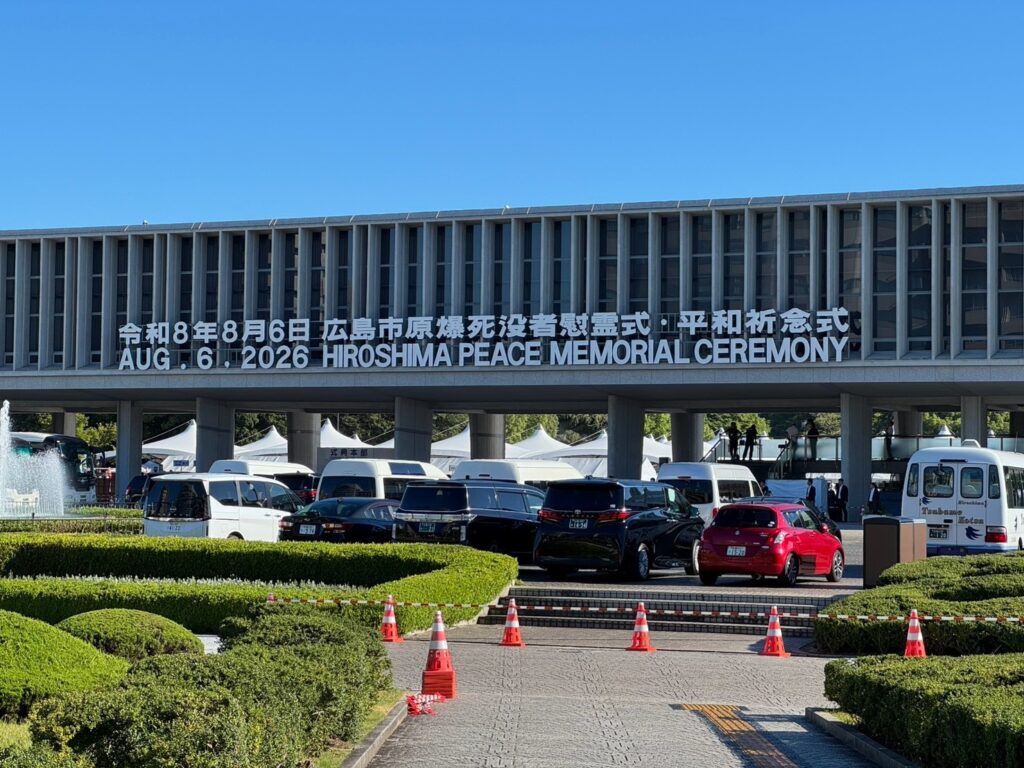
Etajima: Decoding “Japan’s Choice” at the 1st Technical School—The Sea Breeze Narrates the Nation’s Journey
A strategic hub of modern history floating in the Seto Inland Sea
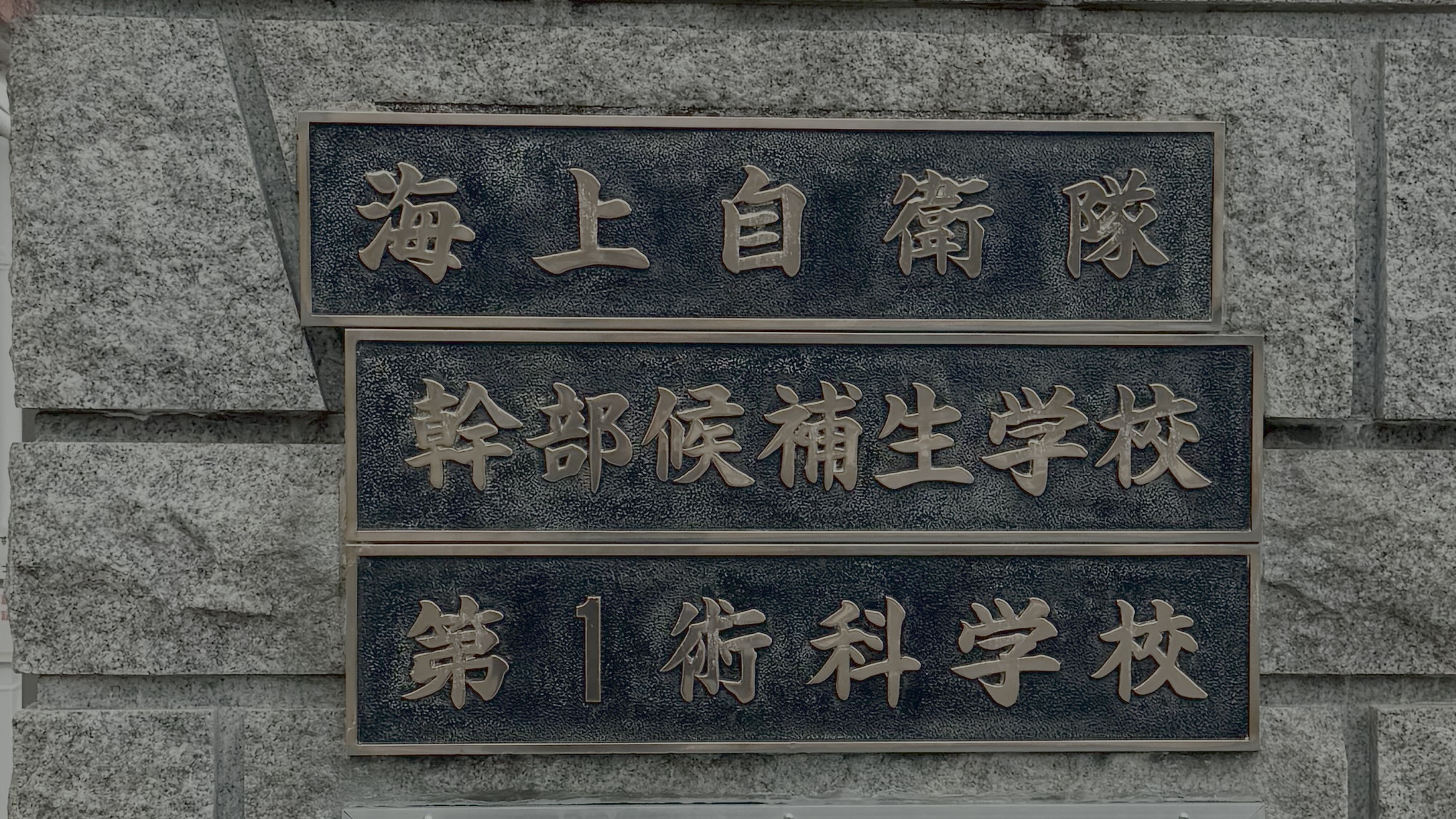
As you board a high-speed ferry from Hiroshima or Kure and sail through the calm waters surrounded by islands, the port of Etajima comes into view. This island is home to the former Imperial Japanese Naval Academy, once hailed as one of the “World’s Three Great Naval Academies” alongside Dartmouth in the UK and Annapolis in the US. Today, as the “First Technical School”—an educational institution of the Japan Maritime Self-Defense Force—its historic buildings and spirit are carefully preserved.
Stepping off the boat and immersing yourself in the tranquil atmosphere that envelops the island, you realize that this is not merely an educational facility, but a vast repository of memory that illustrates how modern Japan sought to survive amidst the turbulent waves of the international community.
The pride of “Etajima” as a world-class destination
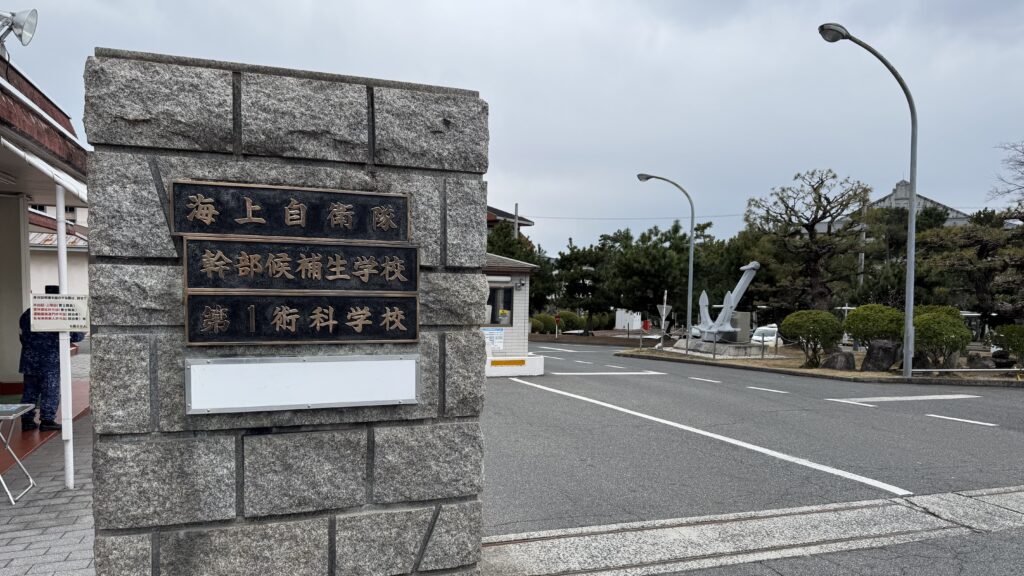
After passing through the main gate and completing the registration process, we step onto the grounds. We proceed to the waiting area, where the guide briefs us before the tour begins. The first sight that catches our eye is the row of meticulously maintained administrative buildings and active facilities. As we move further in, we gradually feel as though we are being drawn into the depths of history.
The fact that Etajima was counted among the “World’s Three Great Military Academies” speaks to the high standards of education that Japan pursued at the time. In the late 19th century, as Asian nations fell one after another under the rule of the great powers, Japan rushed to establish its independence as a maritime nation. Walking through the grounds while listening to the guide’s detailed explanations, one comes to understand that this place was not merely a military facility, but a “house of learning” designed to cultivate world-class intellect and discipline.
The silent message conveyed by buildings that have stood the test of time
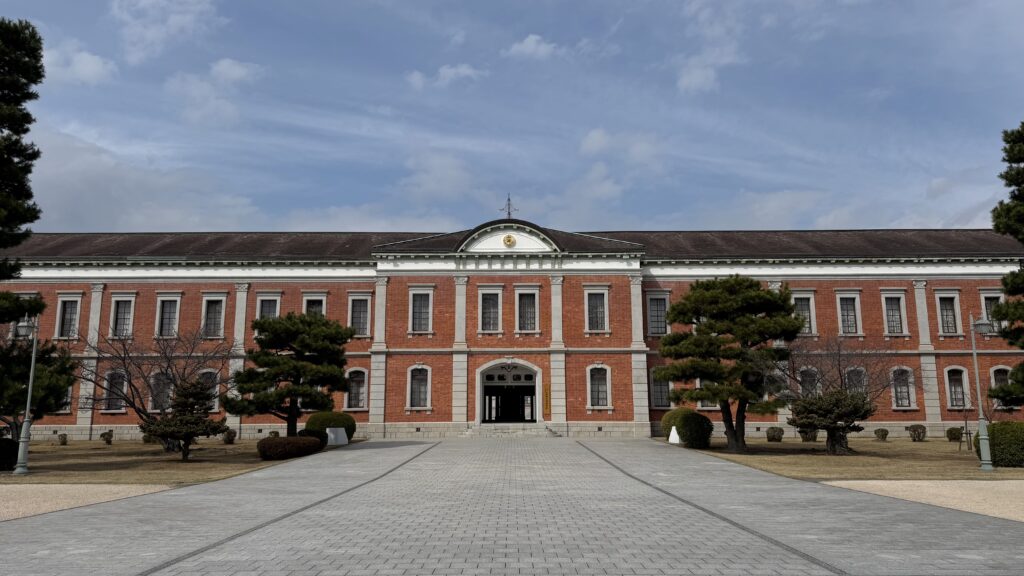
Dotted throughout the grounds are historic buildings constructed between the Meiji and Taisho periods that are still in active use today. Standing before the famous red-brick “Officer Candidate School Building (formerly the Naval Academy Student Hall)” or the “Grand Auditorium” with its beautiful white stone facade, one senses a certain depth—something more than mere antiquity.
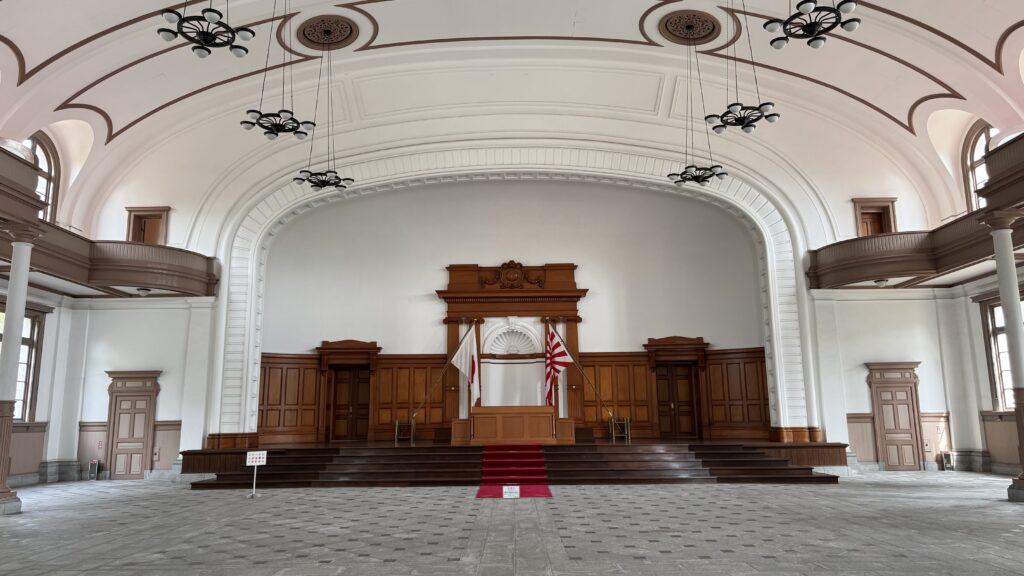
The dignified aura these buildings exude and their unwavering presence, which has endured through the ages, convey a significance to the viewer that goes beyond words. The fact that they are still cherished and actively used as educational facilities today seems to symbolize this organization’s respect for and pride in its history.
Confronting the Records of Silence at the “Education Reference Hall”
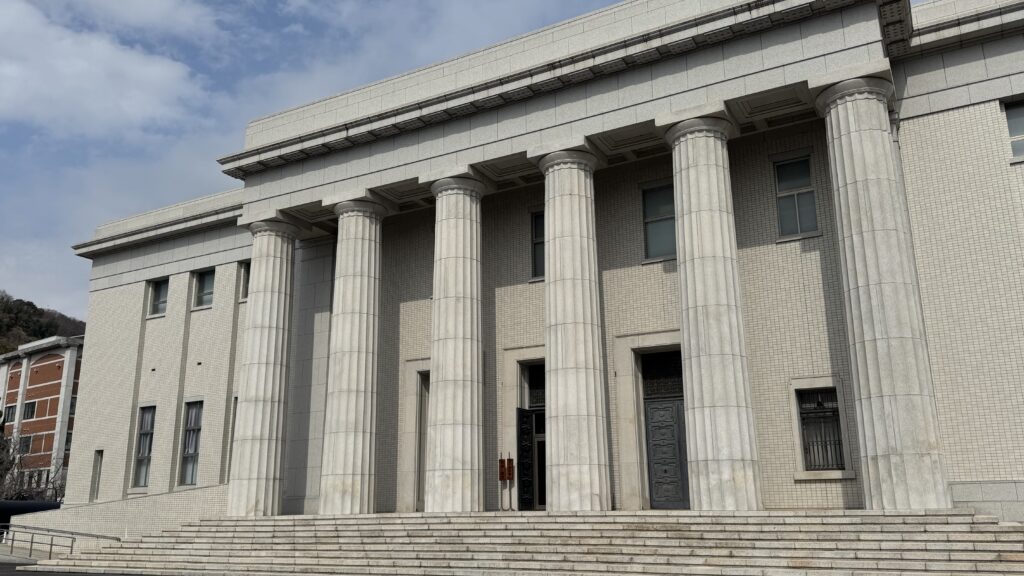
As you proceed further in, you will arrive at the “Educational Reference Hall,” a stately stone building reminiscent of a Greek temple. It houses a collection of approximately 16,000 items, including a vast array of materials related to the Japanese Navy, as well as personal effects and letters left behind by our forebears.
A solemn space where photography is prohibited
There is one important rule that visitors must observe when visiting this educational museum: photography is strictly prohibited inside the building. I felt that the museum maintained a deep sense of reverence for the deceased and for history, as well as a unique sense of tranquility.
The Reality of the Time Captured in Handwriting
The exhibits do not merely showcase the outcomes of major historical events found in textbooks. They also serve as a “living testament” to each individual who strove to fulfill their duty.
Letters to family members written in neat handwriting, and documents recording the resolve of the time. Standing before these, one cannot help but reflect on the circumstances in which people lived back then and the thoughts that filled their days. Even setting aside any specific political or emotional judgments, the simple fact that “real people lived there” resonates deeply with visitors.
A Guide to the History of “Defense”
What struck me most during this visit were the words of the guide who showed us around. In every detail of his explanation, I could sense the history this place has preserved and a deep sense of pride in the mission to protect Japan.
This was not a one-sided glorification of the past, but rather seemed to be rooted in a sincere sense of responsibility regarding how to carry the lessons and traditions built up by our predecessors into the present and into the future. His proud tone of voice left a strong impression that Etajima is not merely a “heritage of the past,” but an ongoing educational site.
“Power” and “Position” in the International Community
The rich history I witnessed on Etajima offers us, as people living in the modern age, insights into what it means to be a nation in the international community.
1. Defense Capabilities as a Realistic Option
Looking back at history, it is undeniable that, as a matter of practical reality, Japan found itself in an environment where military power could not be ignored within the international community. This was not necessarily intended solely for the exercise of force, but also served as a strategic option for survival—a means of preserving the nation’s independence and conducting negotiations with other countries on an equal footing.
How was Japan positioned, and how did it survive while maintaining a balance with its neighboring countries? Tracing the history of Etajima provides an opportunity to examine from multiple perspectives what kind of “preparedness” is necessary for a nation to continue to exist autonomously.
2. A Perspective for Surviving the Future
How should we define and manage the concept of “power”? This is a universal challenge that remains unchanged, whether 100 years ago or today. Even in the present day, as geopolitical tensions intensify, we are constantly faced with the question of “what stance we should take and how we should conduct ourselves.”
The footprints etched on Etajima are by no means a thing of the past. Learning from history and adopting a multifaceted perspective will surely serve as a reliable compass for navigating the unstable international society of the future.
A Stay in Hiroshima Reflecting on Peace — Hotel Small World
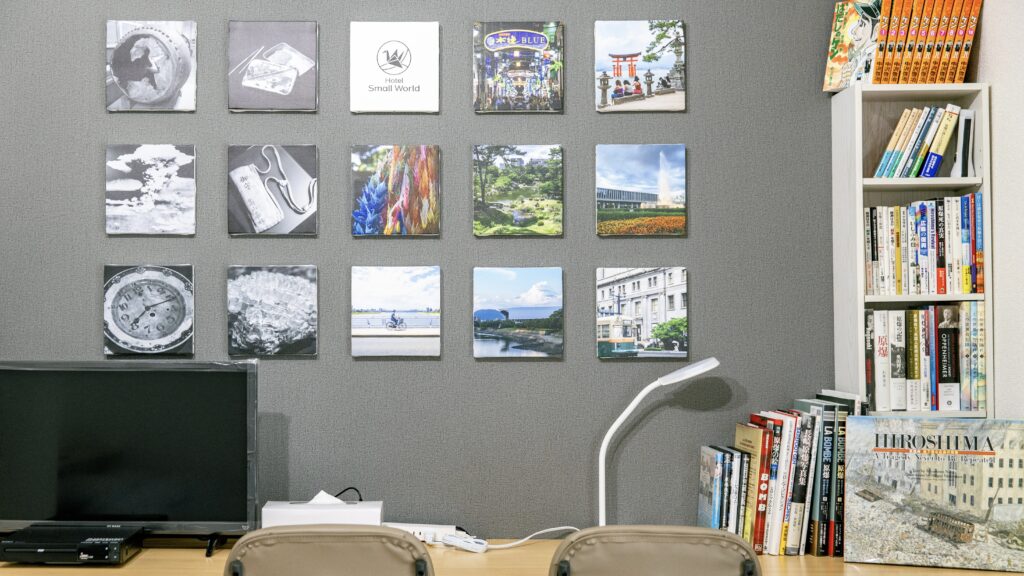
After tracing the history of modern Japan on Etajima Island and returning to the city of Hiroshima, it feels especially meaningful to take some time to reflect on the history you’ve encountered during your journey.
When staying in Hiroshima, one great way to spend your time is to use Hotel Small World—a hotel centered on the concept of peace—as your base for exploring the city.
This hotel places great importance on providing a space where visitors from around the world can quietly reflect on the meaning of “peace” in Hiroshima, allowing you to spend a relaxing time in a serene atmosphere.
The weight of the history you encountered on Etajima and the city of Hiroshima’s enduring wish for peace—this hotel serves as a place to quietly reflect on these experiences at the end of the day, making it an ideal base for your stay in Hiroshima.
〈Directions from Hotel Small World: How to Get to Etajima〉
The most common way to reach Etajima is by boat from Hiroshima City.
From Hotel Small World, you can head to the city’s port and take a high-speed ferry from there.
If you board the high-speed ferry at Hiroshima Port in the city center, you’ll arrive at Etajima in about 30 minutes while enjoying the serene, picturesque scenery of the Seto Inland Sea.
There is also a route from Kure Port, which allows you to enjoy the views of the Seto Inland Sea as well.
On the island, you can join a guided tour to visit the historic facilities of the Japan Maritime Self-Defense Force’s No. 1 Technical School, a training institution for the JMSDF.
Surrounded by the calm waters of the Seto Inland Sea, Etajima is a place where you can reflect on Japan’s modern history amidst the tranquil island scenery. Since it’s possible to visit as a day trip from Hiroshima City, we recommend incorporating it into your itinerary while staying in Hiroshima.
Summary
Rather than passing judgment on whether history is good or bad, we should sincerely accept the facts as they are. The profound sense of history I felt on Etajima may offer us clues as to how we should steer our course toward the future. A journey spent savoring the depth of Japan’s history while feeling the sea breeze is sure to be a deeply meaningful experience.


Recommend

Learning About Hiroshima After the Atomic Bombing and the People Who Lived Through the Postwar Era Through Barefoot Gen
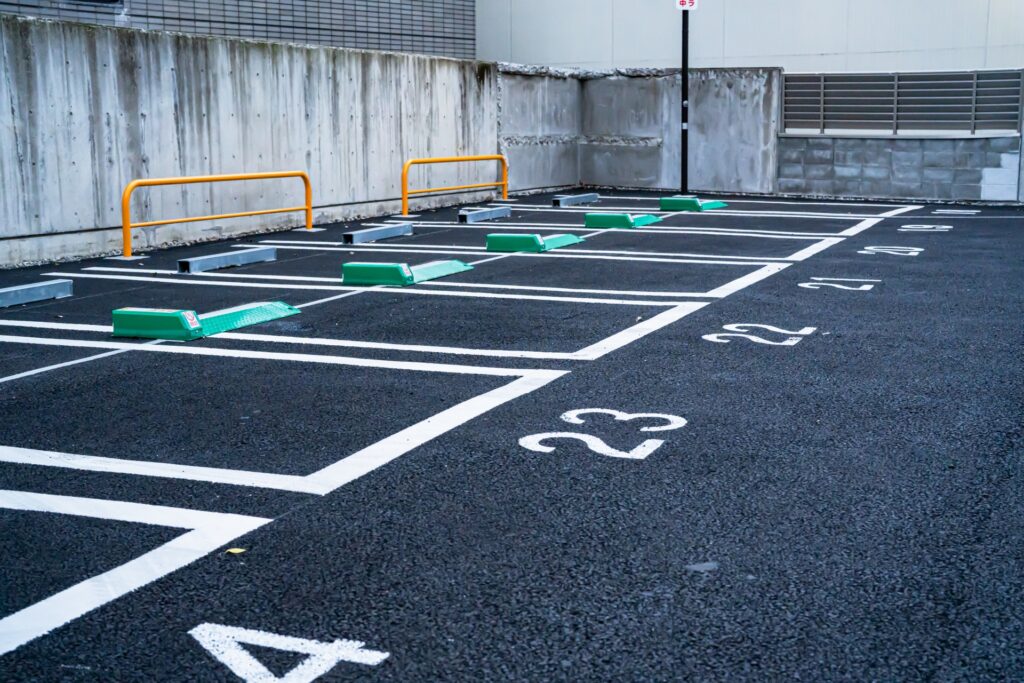
Here are some parking options, car-sharing services, and car rentals near Hotel Small World
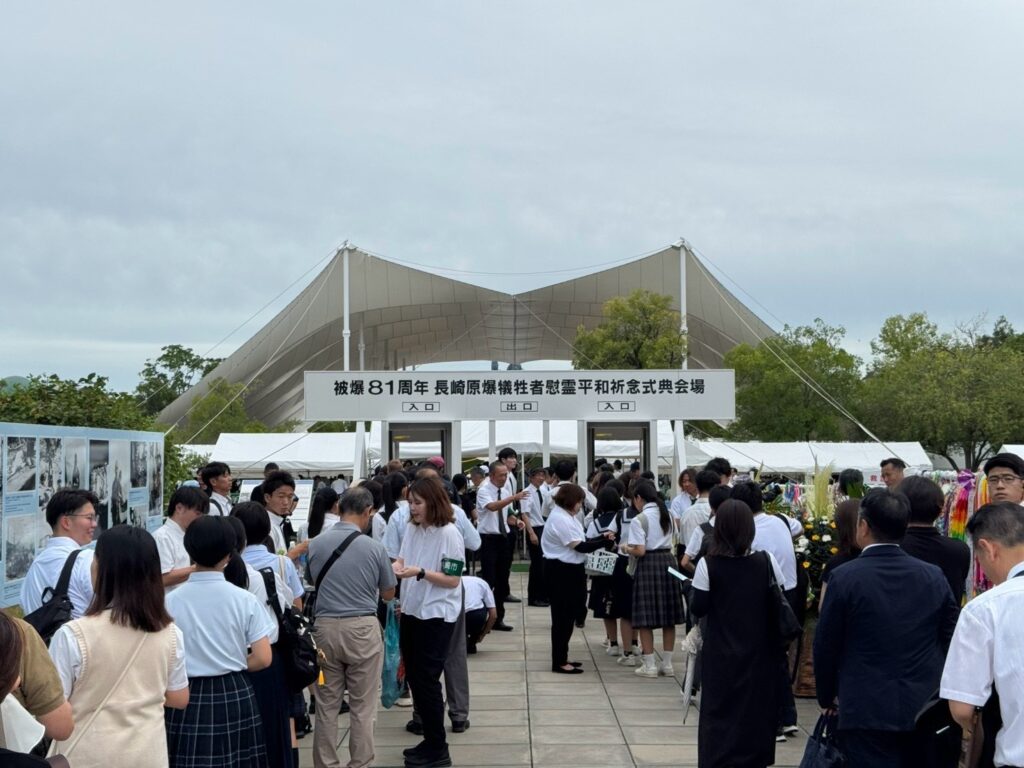
What Is the Nagasaki Peace Memorial Ceremony? — A Prayer for Peace from “The Last City to Suffer an Atomic Bombing”