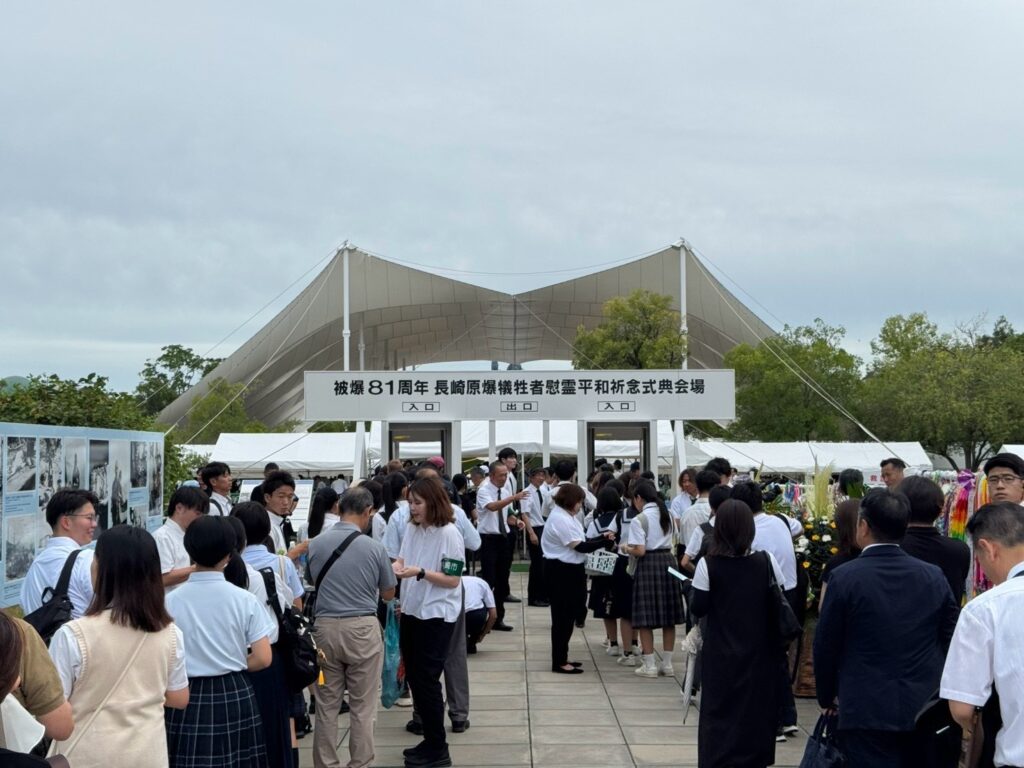
Hiroshima on August 6, 1945, as documented in Hiroshima
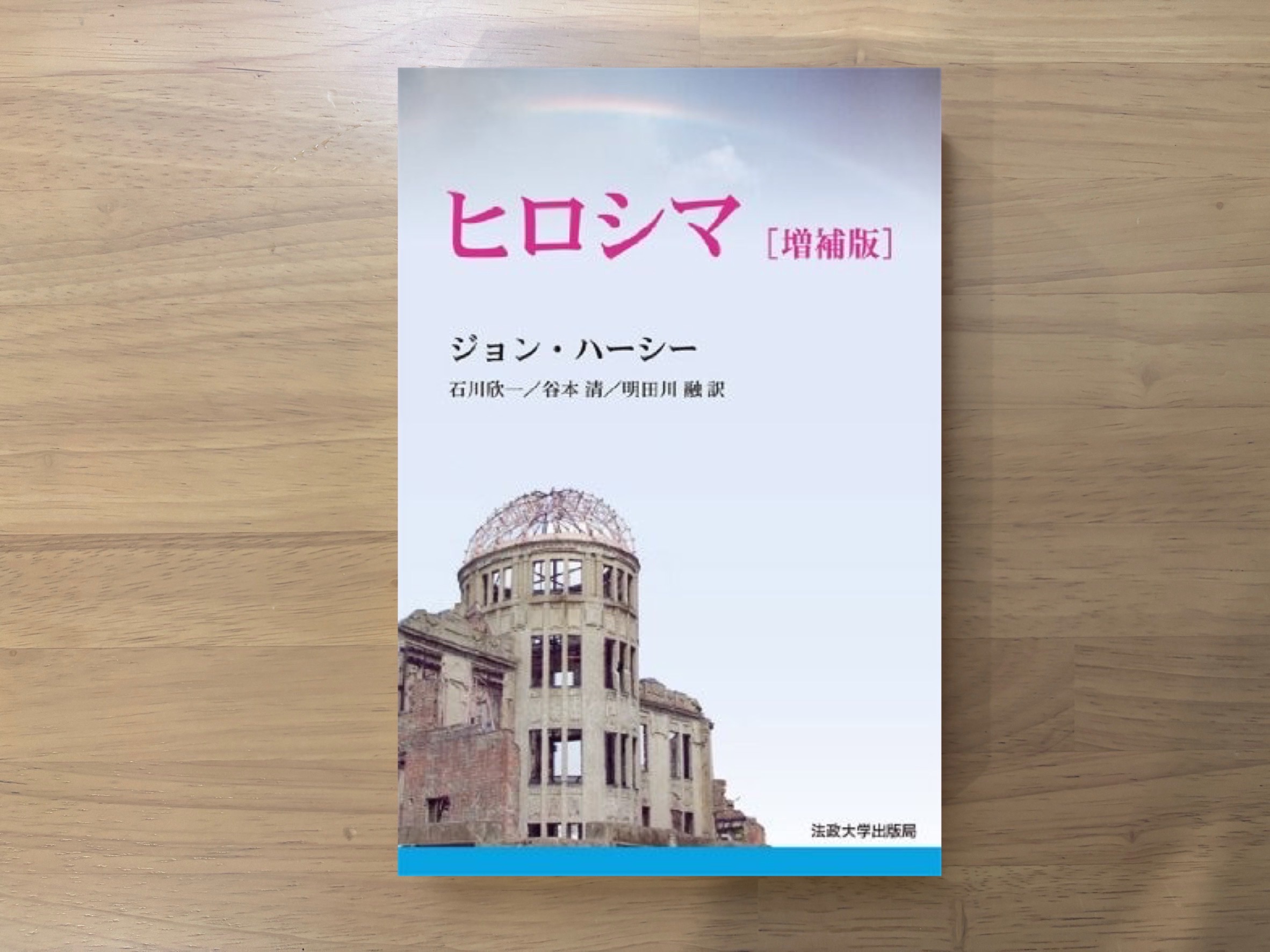
Among the works set in Hiroshima, there are some that convey what happened as a result of the atomic bombing through the experiences of actual survivors. One such work is Hiroshima by American journalist John Hersey.
Hiroshima is a work of nonfiction based on interviews with six people who were exposed to the atomic bomb in Hiroshima on August 6, 1945. It meticulously depicts not only the extensive damage inflicted on the city by the atomic bombing but also what people were doing immediately afterward, how they were injured, and how they lived in the aftermath. In this article, we’ll introduce this work, which continues to be read to this day.
The six people interviewed by author John Hersey in Hiroshima
The author of Hiroshima is John Hersey, an American journalist.
Hersey visited Hiroshima in 1946 and interviewed survivors of the atomic bombing. He interviewed six people: Terufumi Sasaki, a young surgeon working at a hospital; Masakazu Fujii, a private practitioner; Hatsuyo Nakamura, a mother; Wilhelm Kleinsorge, a German priest; Kiyoshi Tanimoto, a pastor; and Toshiko Sasaki, an office worker.
Each of the six was exposed to the atomic bomb in a different location and led a different life. Hersey began his interviews by asking where each person was and what they were doing on the morning of August 6, 1945, and documented their actions immediately after the bombing as well as their lives afterward.
A major feature of Hiroshima is that, by depicting a single event through the experiences of these six individuals, it conveys what happened in Hiroshima as a result of the atomic bombing through the firsthand accounts of those who were actually there.
How Was Hiroshima Created?
Hiroshima was originally an article published in the August 31, 1946, issue of the American magazine The New Yorker.
At that time, The New Yorker did not include its usual serialized stories or cartoons; instead, this single article made up the entire issue. Published just one year after the atomic bombing, it drew a huge response because it depicted the situation in Hiroshima, focusing on the experiences of the survivors.
The article was later published as the book Hiroshima and came to be read around the world. It was also translated into Japanese and has continued to be read to this day.
The Morning the Atomic Bomb Was Dropped: How Each Person Saw Hiroshima
Hiroshima begins with the scene of the atomic bomb being dropped on Hiroshima at 8:15 a.m. on August 6, 1945.
However, the work depicts more than just the event of the city being destroyed by the explosion.
It depicts what various people—such as a doctor at the hospital, a mother at home, and a priest at church—were doing and where they were that morning. Then, after their daily lives were shattered by the sudden explosion, the story follows people as they help the injured, search for family members, and move in search of safety.
While dealing with a major historical event, the work focuses on the specific actions and daily lives of the people who lived in Hiroshima.
The Lives of Each Person That Continue Even After the Bombing
*Hiroshima* depicts not only the chaos immediately following the atomic bombing but also life in the years that followed.
People continued to work and live with their families while coping with injuries and health effects caused by the atomic bomb. Although the bombing drastically altered the lives they had once taken for granted, people went about their daily lives wherever they were.
Furthermore, in 1985, Mr. Hershey revisited Hiroshima and published *The Aftermath*, which followed the lives of six individuals approximately 40 years after his initial reporting. The currently available expanded edition includes this follow-up story.
One of the defining features of *Hiroshima* is that it touches not only on the events that took place in Hiroshima in 1945 but also on the lives of the people who lived through the years that followed.
Learning the facts from one person’s experience
When learning about the atomic bombing, we often come across various statistics and records—such as the number of victims, the extent of the damage, and how the city changed.
Hiroshima documents not only these large-scale figures and events but also the specific experiences of those who actually survived the bombing: where they were that morning, what they saw, and how they acted afterward.
As a result, readers can gain a concrete understanding of the events that took place in Hiroshima through the experiences of these six individuals.
Of course, the experiences of these six individuals alone do not provide a complete picture of Hiroshima at that time or the experiences of all those affected by the bombing. Nevertheless, precisely because these records are based on actual interviews, they continue to be read today as a valuable resource for understanding the circumstances of that era.
Pick up a book at Hotel Small World that offers a glimpse into Hiroshima’s history
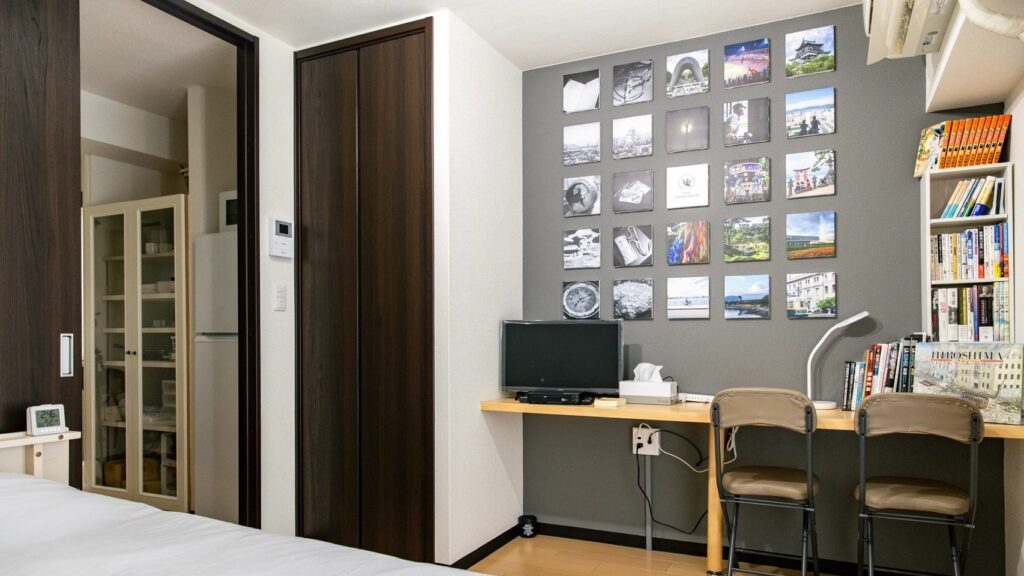
Hotel Small World is a hotel built around the concept of “peace.” Our hope is that, throughout your stay, you will take a moment to reflect on peace, even if only briefly.
In our guest rooms, we provide books, photographs, DVDs, and other materials that allow you to learn about Hiroshima’s history, the atomic bombing, and peace. You can also watch Hiroshima, the film featured here, in your room.
In addition to Japanese books, we also carry a wide selection of English-language titles. This allows international visitors to Hiroshima to leisurely browse these materials in their rooms and learn about the city’s history.
We hope you’ll take some time between sightseeing trips to explore these materials and learn more about the city of Hiroshima where you are staying.
Summary
Hiroshima is a work that documents Hiroshima immediately after the atomic bombing and the lives of those who survived, based on interviews with six atomic bomb survivors. Since its publication in 1946, it has been widely read both in Japan and abroad.
The events that once took place in this city are not visible simply by walking through Hiroshima today. You can gain insight into a part of that history through Hiroshima, which records the experiences of these six atomic bomb survivors.
We invite you to pick up a copy of Hiroshima at Hotel Small World and take some time to connect with the history of this city.


Recommend
Best 5-Star Hotels in Hiroshima | Luxury Hotel Guide
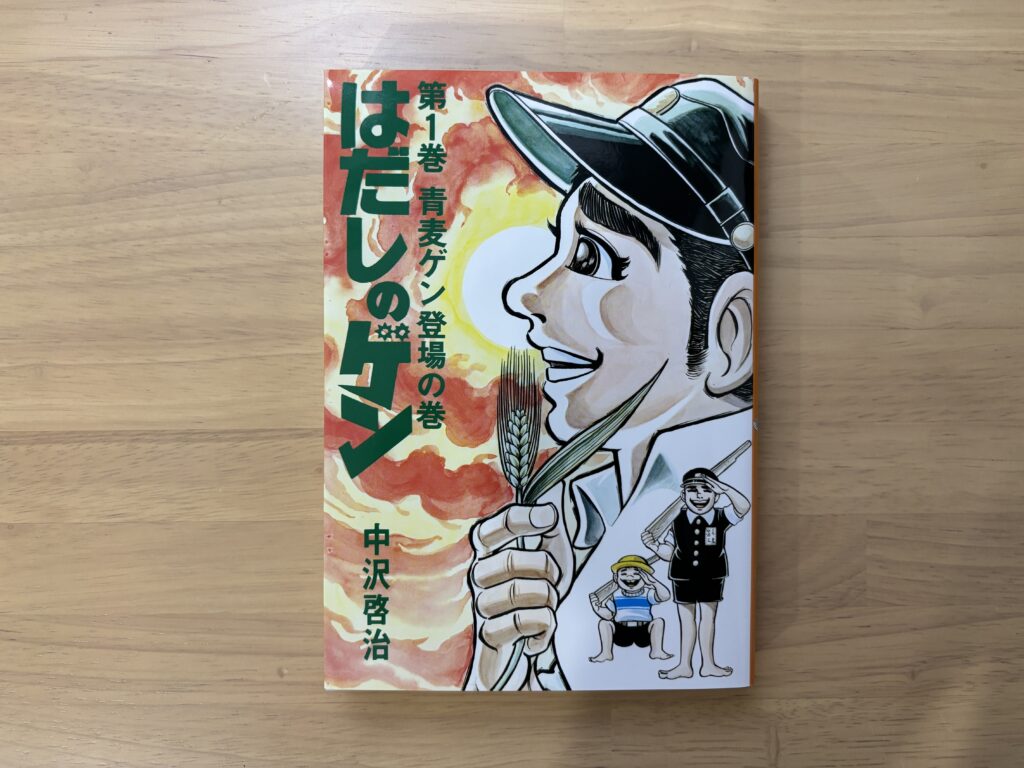
Learning About Hiroshima After the Atomic Bombing and the People Who Lived Through the Postwar Era Through Barefoot Gen
Here are some parking options, car-sharing services, and car rentals near Hotel Small World