It’s Not Just the Atomic Bomb: The 400-Year History of the City of Hiroshima
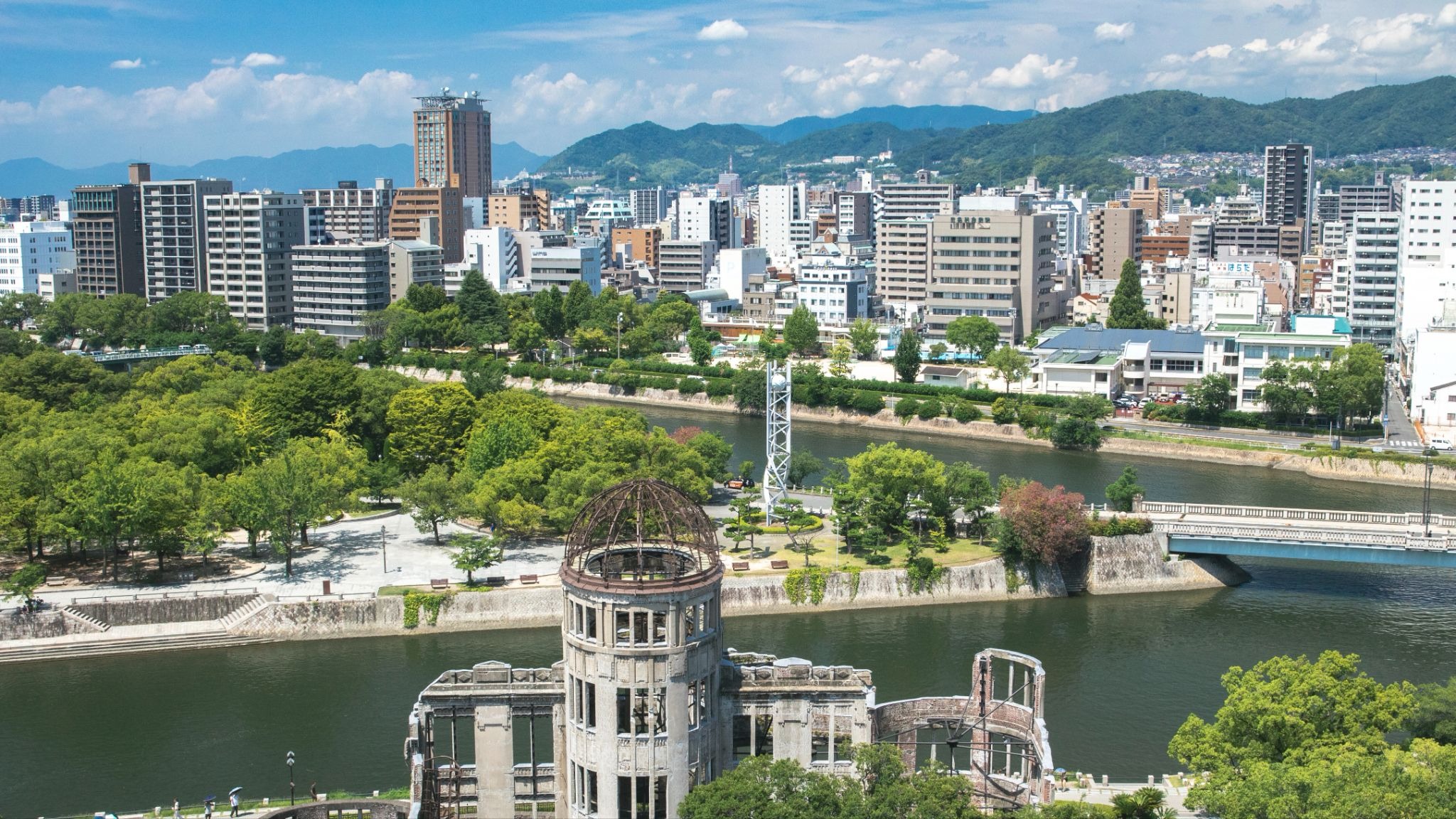
When people hear “Hiroshima,” the first things that come to mind for many may be the atomic bomb or the Peace Memorial Park.
Hiroshima is known worldwide as a city of peace. When discussing its history, August 6, 1945, is an event that cannot be overlooked. However, the city’s history did not begin there.
In fact, Hiroshima developed from a castle town established over 400 years ago and has evolved into its current form over the course of many years. As you walk through the city, traces of that history still live on, even within the most ordinary of scenes.
In this article, we’ll take a brief look at Hiroshima before the atomic bombing and explore how this city came into being and developed.
The Beginnings of “Hiroshima,” Founded by Terumoto Mōri
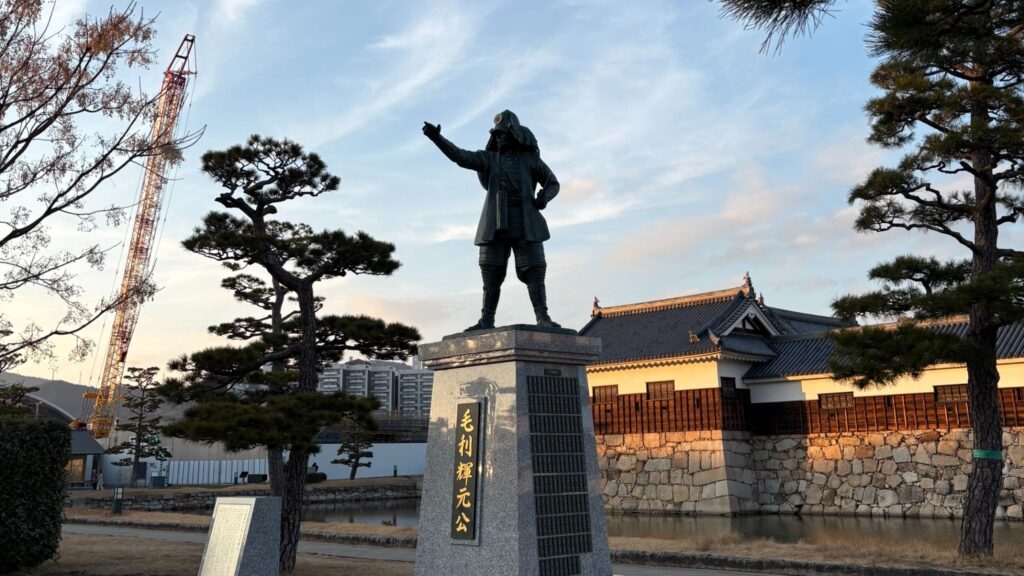
A figure indispensable to the history of Hiroshima is the Sengoku-period daimyo Mōri Terumoto.
In 1589, Mōri Terumoto began construction of Hiroshima Castle in what is now the center of Hiroshima City. At the time, this area was a delta formed by sediment carried by the Ōta River. It is said that the site was chosen as a new political and economic hub because of its proximity to both the sea and the river, making it an ideal location for water transportation.
Along with the construction of Hiroshima Castle, samurai residences, merchant districts, and temple districts were systematically developed, and Hiroshima began its development as a full-fledged castle town.
While there are several theories regarding the origin of the place name “Hiroshima,” the most widely accepted one suggests it was formed by combining the character “Hiro” from the name of Ōe Hiromoto—an ancestor of the Mōri clan—with the character “Shima” from the name of Fukushima Motonaga, the progenitor of the Fukushima clan that governed the region.
It was not merely the construction of a single castle, but the creation of a city itself—a place where people lived, conducted business, and nurtured culture—that laid the foundation for modern-day Hiroshima.
From a Castle Town to a City Representing the Chugoku Region
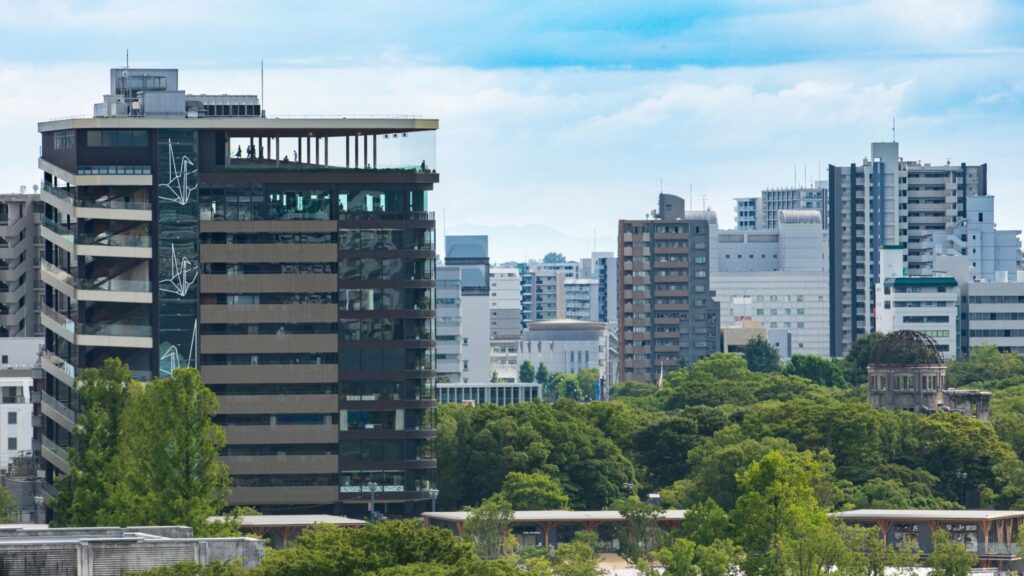
During the Edo period, Hiroshima flourished as one of the leading castle towns in the Chūgoku region.
Logistics thrived by leveraging the abundant waterways of the Ota River, and commerce was revitalized by the people traveling along the Saigoku Kaidō. Samurai residences lined the area around the castle, while merchant and artisan districts spread beyond it; traces of this meticulously planned urban layout can still be seen in the center of present-day Hiroshima.
With the advent of the Meiji period, Hiroshima developed further as a hub for military and transportation activities. With the opening of the railway and the development of Ujina Port, the city grew into a central metropolis for the Chugoku and Shikoku regions, attracting people and goods from across the region.
It was precisely because of this established urban infrastructure that postwar reconstruction proceeded at a relatively rapid pace, leading to the Hiroshima we know today.
400 Years of History Unfolds as You Walk Through the City
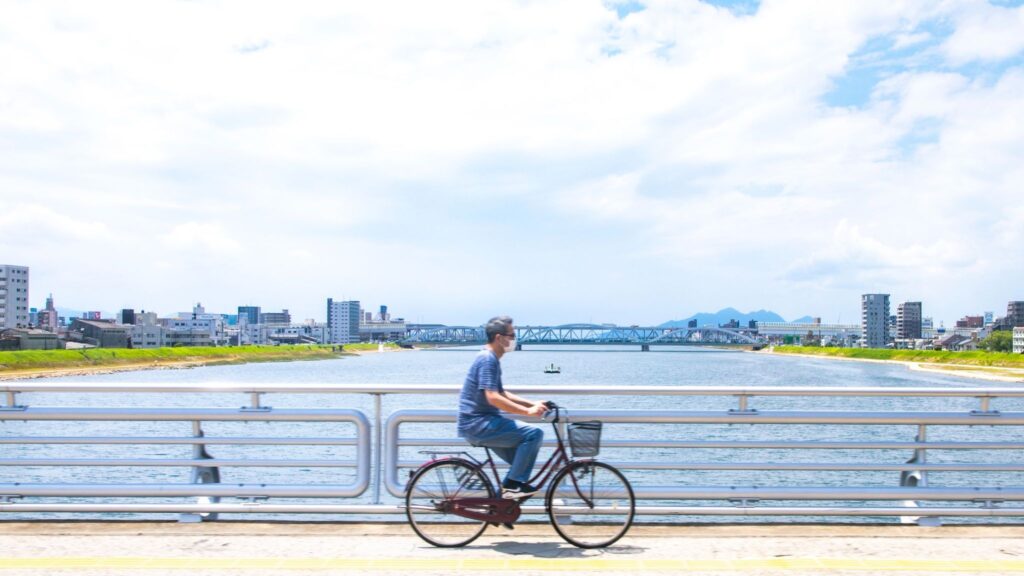
Living here, I feel that history isn’t confined to museum exhibits.
For example, when I walk along the moat of Hiroshima Castle, I can’t help but imagine that this place was once the center of the castle town. In Teramachi, a short distance from the castle, historic temples stand quietly side by side, and the same serene atmosphere still prevails today.
Hiroshima is also home to so many rivers that it’s known as the “City of Water.” This landscape is unique to the delta formed by the Ota River, and it was one of the reasons Mōri Terumoto chose this location.
Even just casually crossing a bridge or strolling along the riverbank, you can sense how this city has developed alongside its waterways.
Recommended Spots to Explore While Soaking Up the History
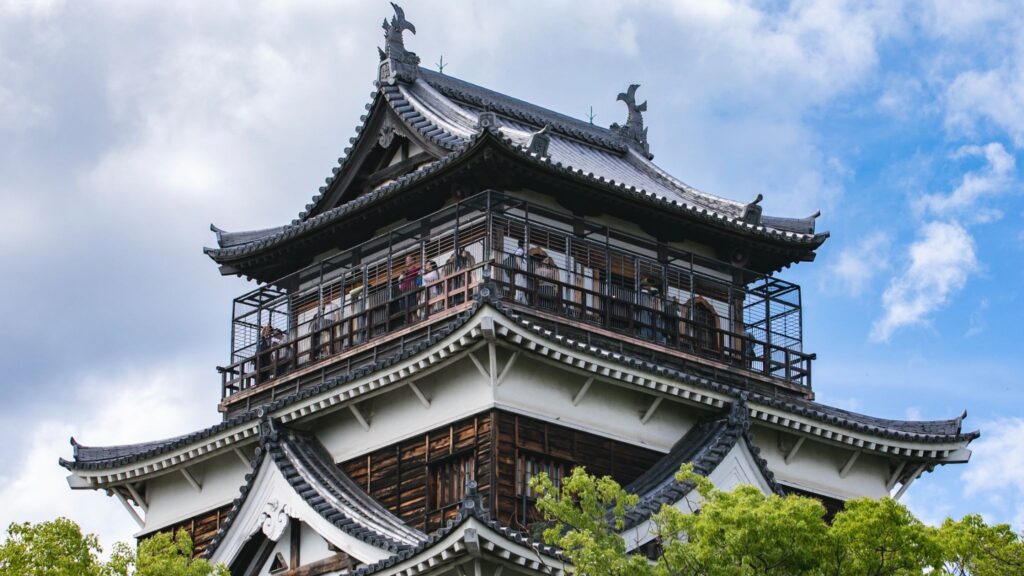
For those who want to gain a deeper appreciation of Hiroshima’s history, I recommend starting with a visit to Hiroshima Castle.
Although the current castle keep was rebuilt after the war, you can learn about the origins of Hiroshima Castle and the history of the castle town within the grounds. At the nearby Ninomaru, restored gates and watchtowers convey the atmosphere of the castle as it was in those days.
If you venture a little further to Shukkeien Garden, you can enjoy the beautiful scenery of a daimyo garden that has been in existence since the Edo period.
Furthermore, the Peace Memorial Park and the Atomic Bomb Dome—which are indispensable when discussing Hiroshima’s history—are also part of this “400-year-old history of the city.”
If you learn about Hiroshima as a city that has existed since before the war before visiting, your thoughts on peace may resonate with you in a different way.
Discover Hiroshima’s History at Hotel Small World
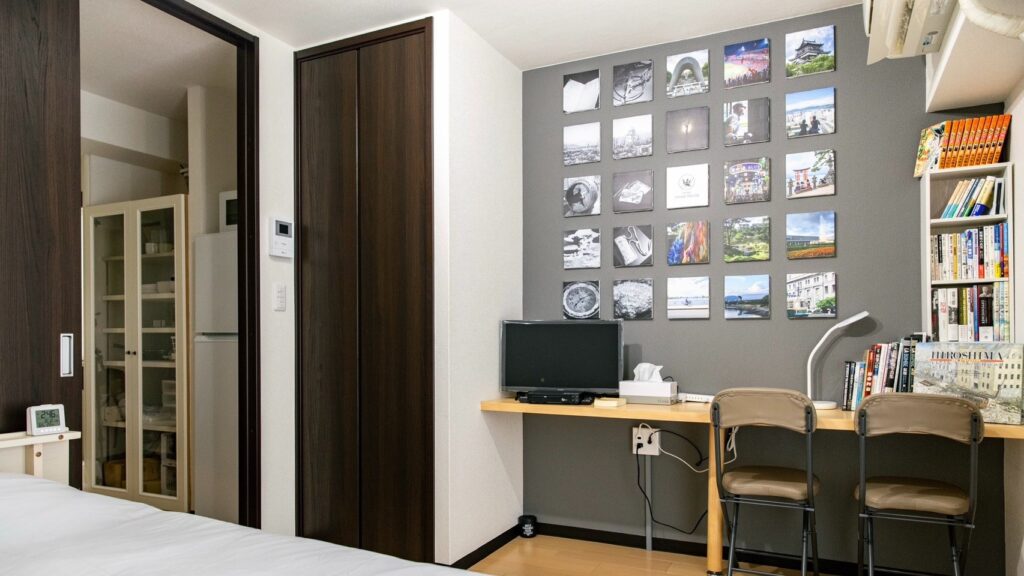
With easy access to historic sites such as Hiroshima Castle and the Peace Memorial Park, our hotel is conveniently located as a base for exploring the city of Hiroshima.
Based on the concept of “peace,” our guest rooms feature books and DVDs on war and peace, as well as photographs and exhibits that showcase Hiroshima’s history.
We invite you to learn about Hiroshima’s history at our hotel and then venture out into the city to experience firsthand the charm of Hiroshima, a city with a long history as a castle town.
Summary
Hiroshima has a history of continuing to share its message as a city of peace with the world. Behind this lies a long history of development as a castle town, nurtured by the lives and culture of its many residents.
When you visit Hiroshima, be sure to explore not only the Peace Memorial Park and the Atomic Bomb Dome, but also Hiroshima Castle, Shukkeien Garden, and the streets along the river. I hope that you will come to appreciate, even just a little, the charm of the city of Hiroshima.


Recommend
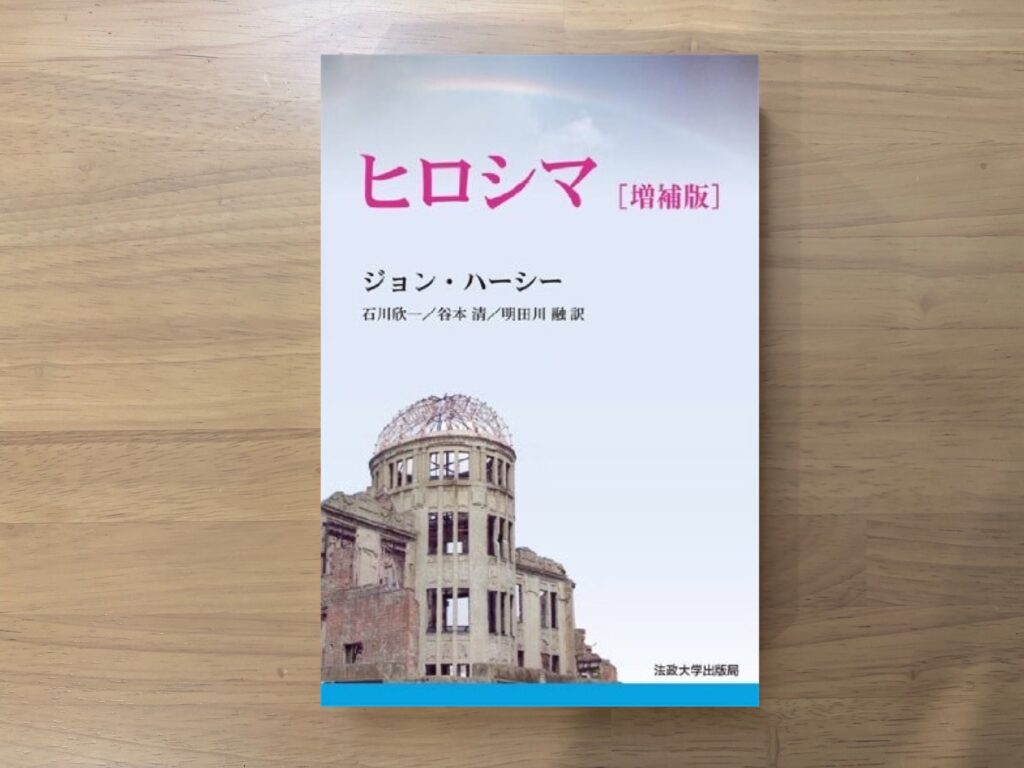
Hiroshima on August 6, 1945, as documented in Hiroshima
Best 5-Star Hotels in Hiroshima | Luxury Hotel Guide

Learning About Hiroshima After the Atomic Bombing and the People Who Lived Through the Postwar Era Through Barefoot Gen