Stories of People Who Overcame the Tragedy of the Atomic Bomb, as Told in “Hiroshima’s Reconstruction Through Manga”
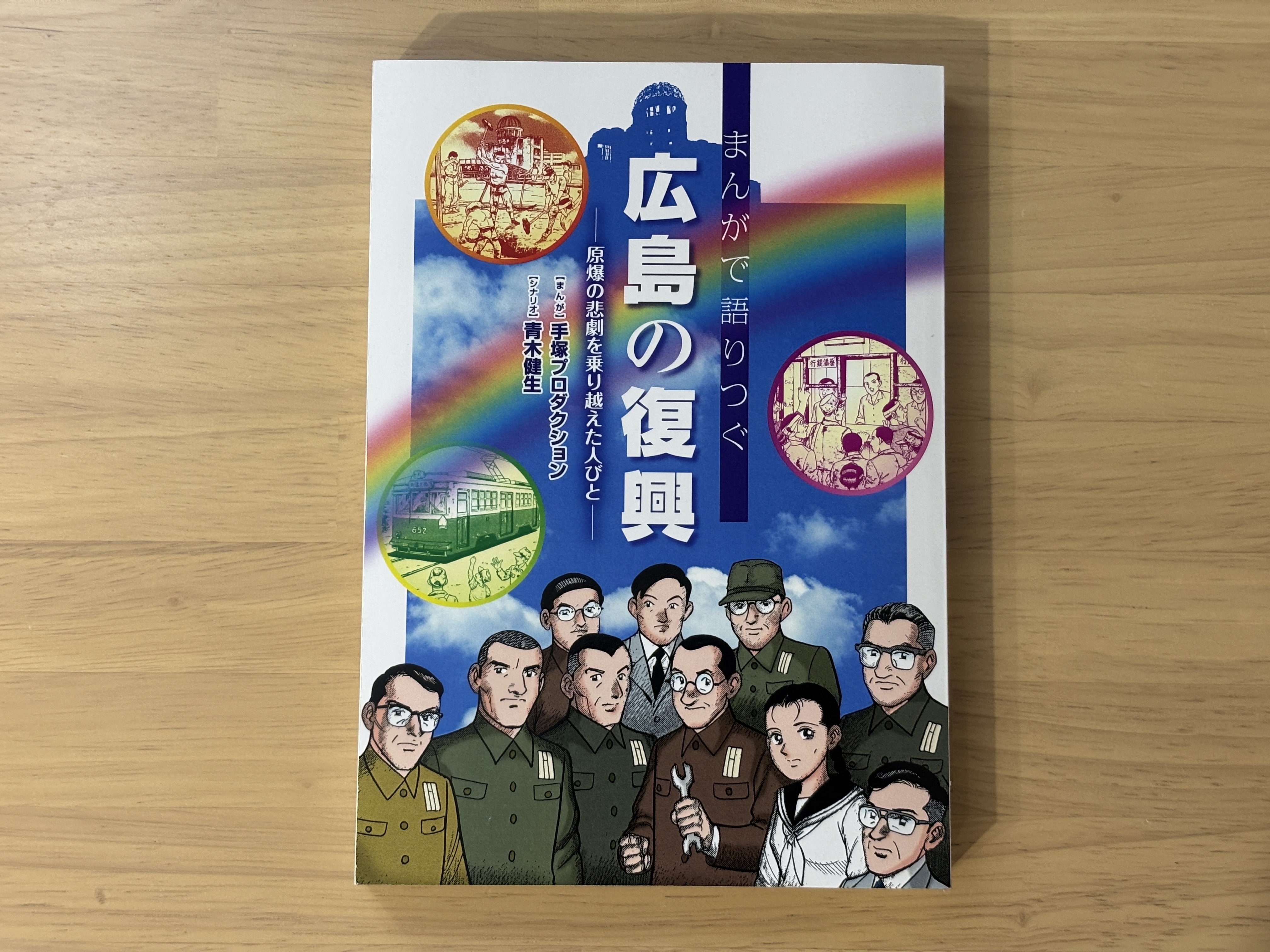
On August 6, 1945, an atomic bomb was dropped on Hiroshima. The city suffered extensive damage to its urban infrastructure—including buildings, public transportation, and water supply systems—and many people lost their lives. Those who survived had to rebuild their lives under harsh conditions, facing shortages of food and supplies, injuries and illnesses, and the long-term health effects of the bombing.
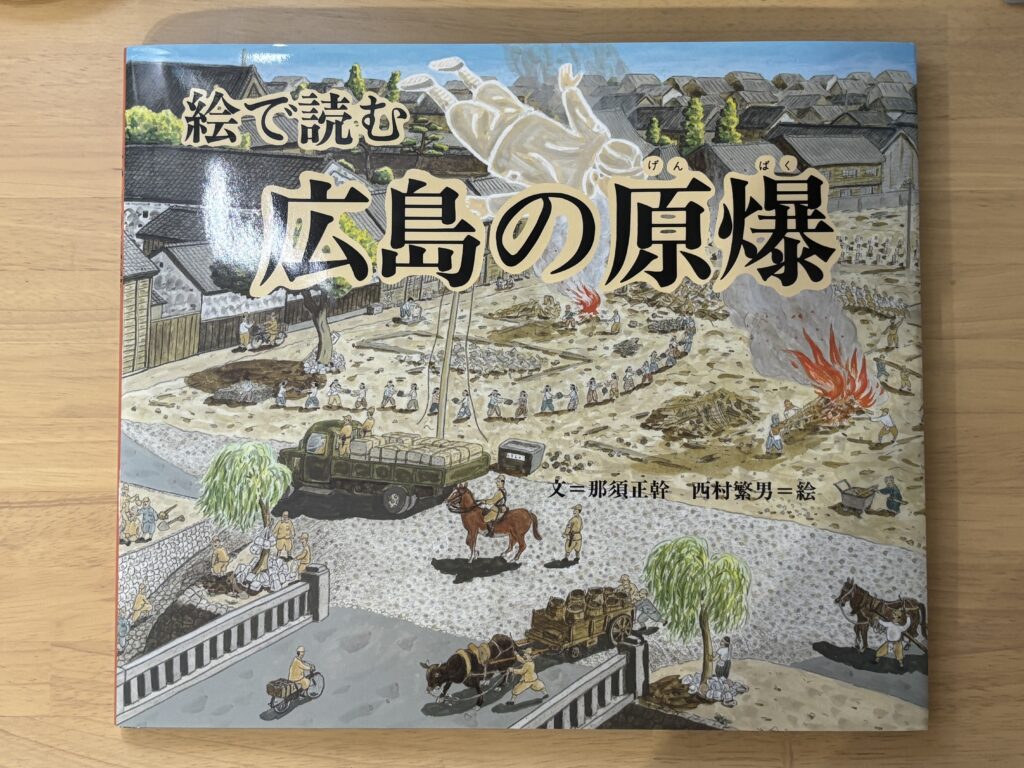
The book we are introducing today, Hiroshima’s Reconstruction: Told Through Manga, depicts the process by which the city restored its capabilities and rebuilt people’s lives in the immediate aftermath of the atomic bombing. Tezuka Productions handled the manga illustrations, and Takeo Aoki wrote the script. Published by Shogakukan Creative in July 2015, the book focuses not only on the tragedy of the atomic bombing but also on the actions and thoughts of the people who supported the subsequent reconstruction.
Reconstruction Efforts That Began Immediately After the Bombing
This book describes how urban functions—such as transportation, water supply, and electricity—were restored in Hiroshima, a city that suffered immense damage from the atomic bombing.
One example is the resumption of streetcar service. Many employees of the Hiroshima Electric Railway lost their lives, and the streetcars themselves sustained significant damage. Nevertheless, service resumed on certain sections as early as August 9—just three days after the bombing. At a time when transportation options were limited, the streetcars that began running again not only facilitated people’s mobility but also served as a tangible symbol of the city’s recovery.
Restoring the water supply was also a critical challenge. With facilities damaged by the blast and electric pumps shut down, waterworks bureau staff took measures to maintain the water supply. Water delivery using backup pumps began on the afternoon of August 6, the day of the bombing, and the electric water pumps at the Ushita Water Source resumed operation on August 10. However, even after water delivery resumed, broken water pipes and leaks persisted, and it took time for the city’s water supply system to be fully restored.
Such recovery efforts are not merely about restoring infrastructure. Ensuring access to water and transportation—both essential to daily life—served as the foundation for disaster victims to regain their normal lives. This book focuses on the efforts of the people who supported that foundation.
Work and Learning to Regain a Normal Life
This book traces the progress of reconstruction across a wide range of fields—not only transportation and water supply, but also the reopening of banks, the rebuilding of shops, the use of three-wheeled trucks to transport supplies, and the resumption of school classes.
In post-atomic-bomb Hiroshima, not only were buildings and infrastructure lost, but there was also a shortage of workers and the supplies necessary for daily life. Amid these circumstances, resuming business operations, transporting supplies, and restoring places for children to learn were essential steps in rebuilding city life.
Furthermore, this book touches on culture—such as movies, music, and books—as well as Hiroshima’s local specialties and the birth of the Hiroshima Carp, the city’s professional baseball team. What people needed was not just the essentials for sustaining their lives, such as food and shelter. Learning, entertainment, and human connections were also vital to getting through each day.
Of course, reconstruction did not resolve all issues in a short period of time. Although the City of Hiroshima adopted a reconstruction master plan in 1946, challenges such as a lack of funding made it difficult to implement the plan. In 1949, the Hiroshima Peace Memorial City Construction Act was enacted, and the development of roads, bridges, housing, and other infrastructure began in earnest. The cityscape of Hiroshima today was shaped not only by the efforts of the people immediately after the atomic bombing but also by the long-term reconstruction efforts that followed.
A Manga That Showcases the People Who Supported the Reconstruction Efforts
When studying history, it is important to understand the sequence of events through timelines and historical records. At the same time, vividly imagining how people acted during those events, what they needed, and how they tried to rebuild their lives provides valuable insights that deepen our understanding of history.
This book uses manga to depict everything from the immediate post-bombing recovery efforts to the reopening of schools and shops, and the revival of culture and sports. It makes complex historical developments easy to follow visually, serving as a gateway for a wide range of readers—from children to adults—to learn about Hiroshima’s reconstruction.
Furthermore, learning about the journey of reconstruction leads us to reflect on the historical foundations upon which modern Hiroshima stands. The roads and buildings we see every day, as well as the transportation and water systems that support our daily lives, were not always taken for granted. Learning that there were people who strove to rebuild these things amid the harsh conditions following the atomic bombing allows us to view the city as it stands today from a different perspective.
Take some time to reflect on peace at Hotel Small World
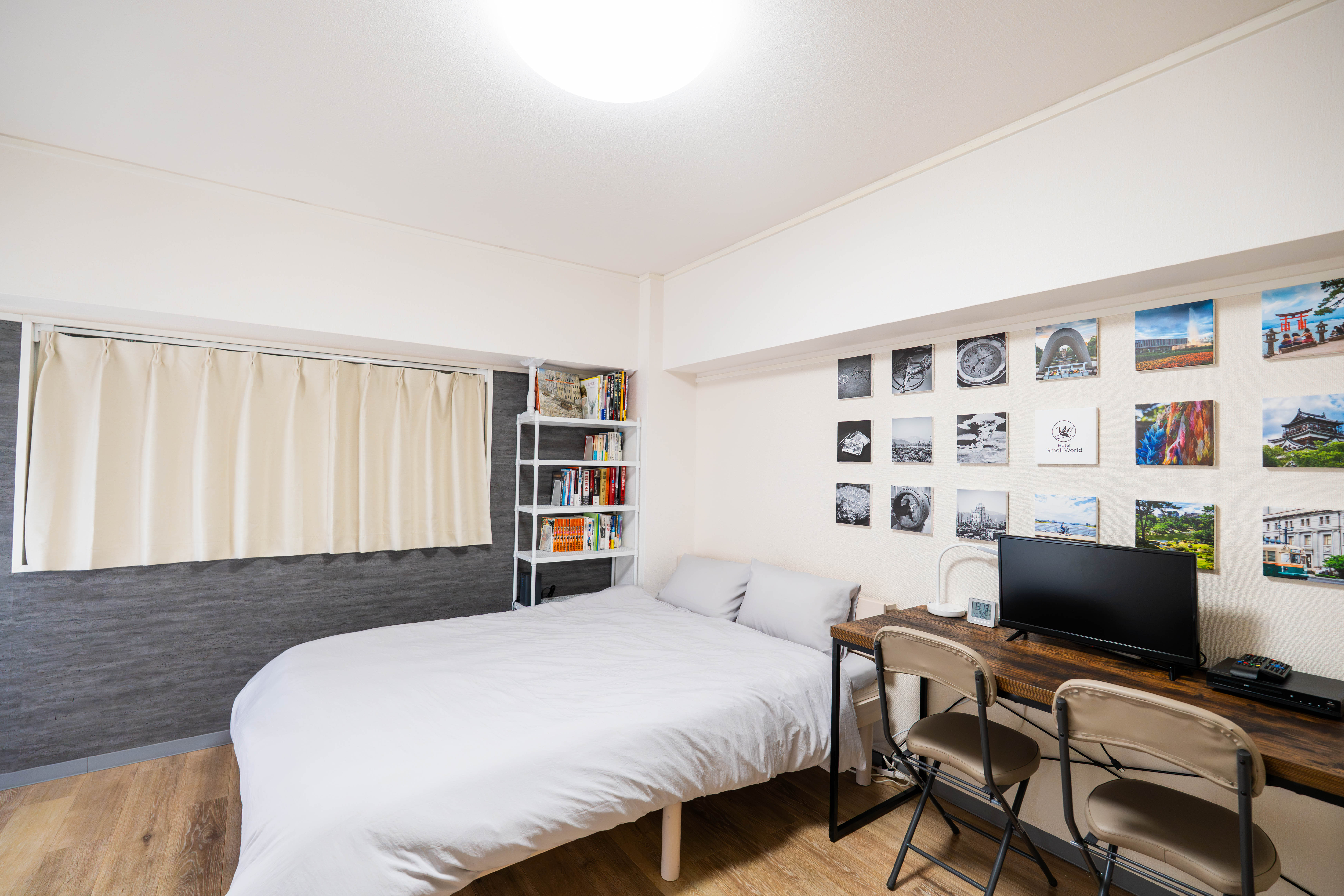
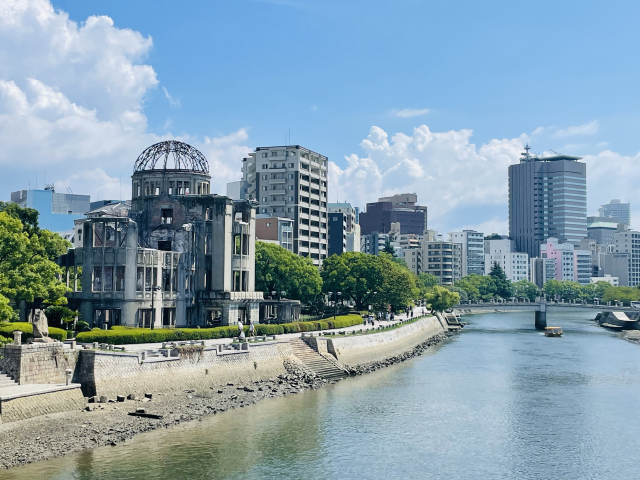
Hotel Small World is located in Mikawa-cho, Naka Ward, Hiroshima City, and is a hotel built around the concept of “peace.” It is conveniently situated near places where you can learn about Hiroshima’s history and peace, such as the Atomic Bomb Dome and the Hiroshima Peace Memorial Museum.
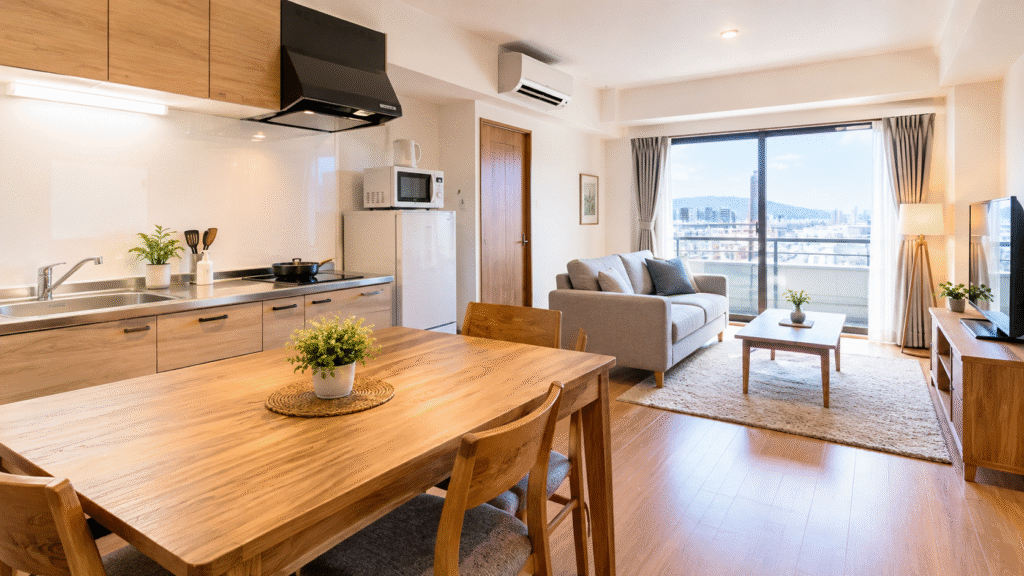
The guest rooms are stocked with books and materials that provide insight into the atomic bombing of Hiroshima and the city’s journey toward peace. Between sightseeing trips, you can pick up a book and learn about the events that took place in Hiroshima and the journey the people have undertaken since then.
Summary
There are many ways to learn about Hiroshima’s history and the message of peace. One such way is to explore the records that have been preserved, such as books, photographs, and videos.
We hope your stay at Hotel Small World will serve as an opportunity to learn about the events that took place in Hiroshima and the history of this city.