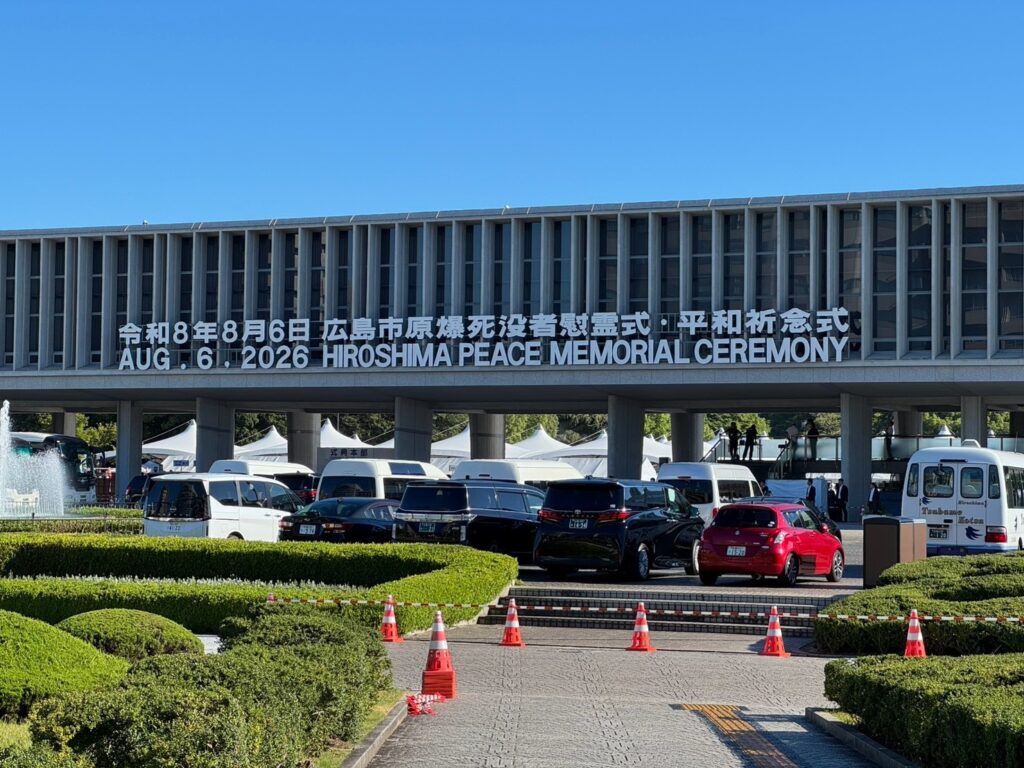
Hiroshima on That Day, as Experienced at the Fukuro-machi Elementary School Peace Museum — Voices Left on the Walls
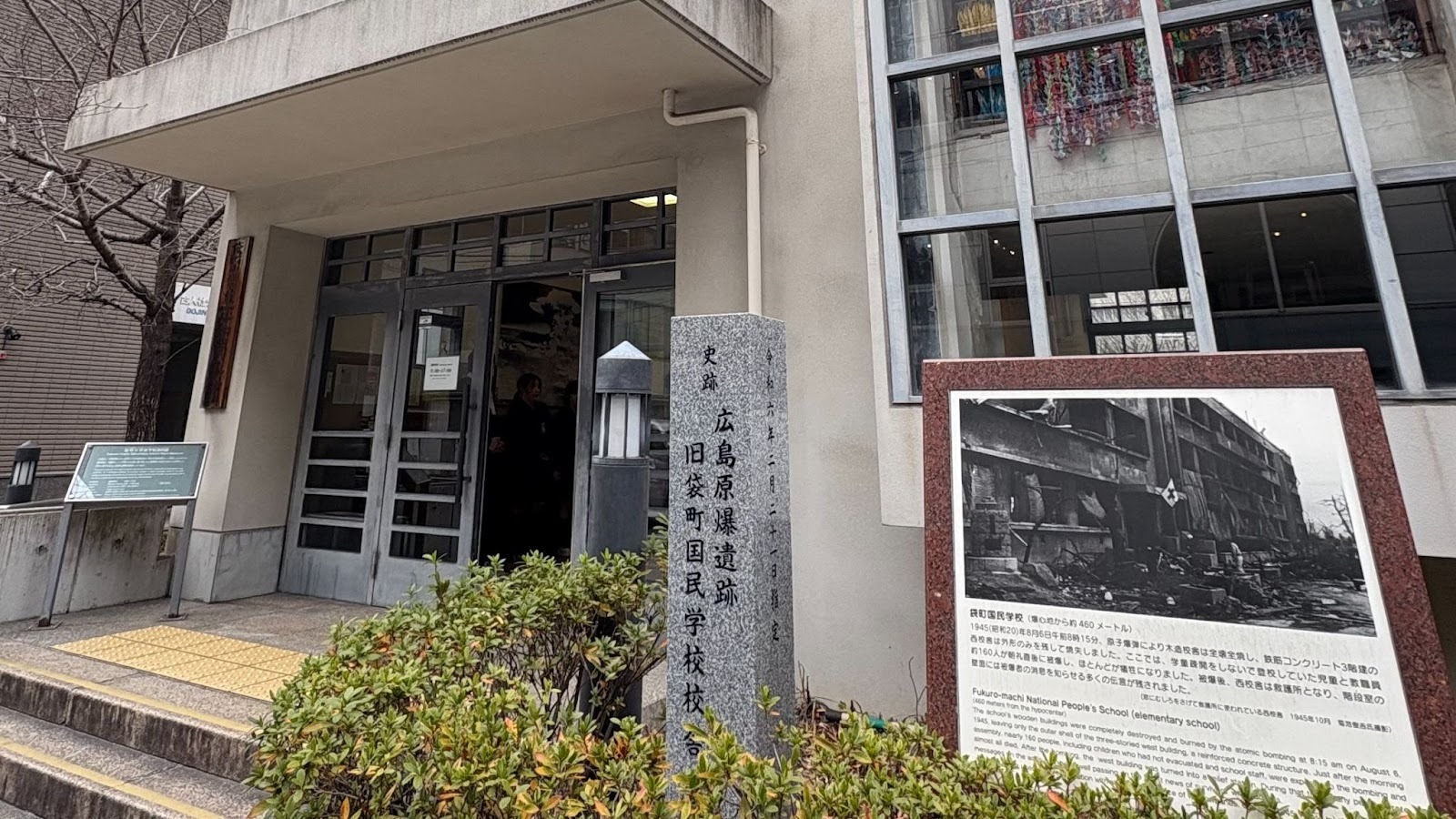
Visiting the Fukuro-machi Elementary School Peace Museum
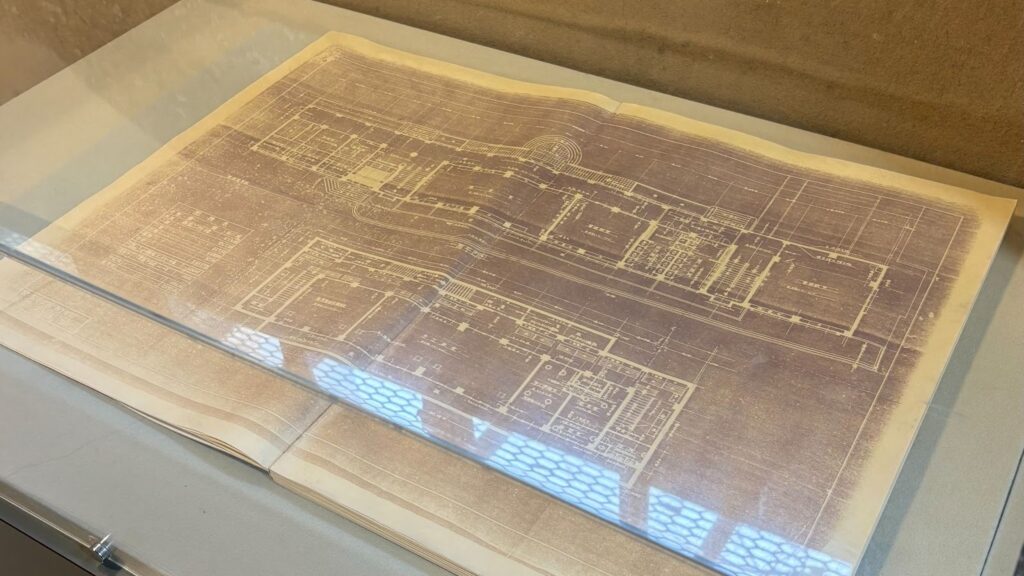
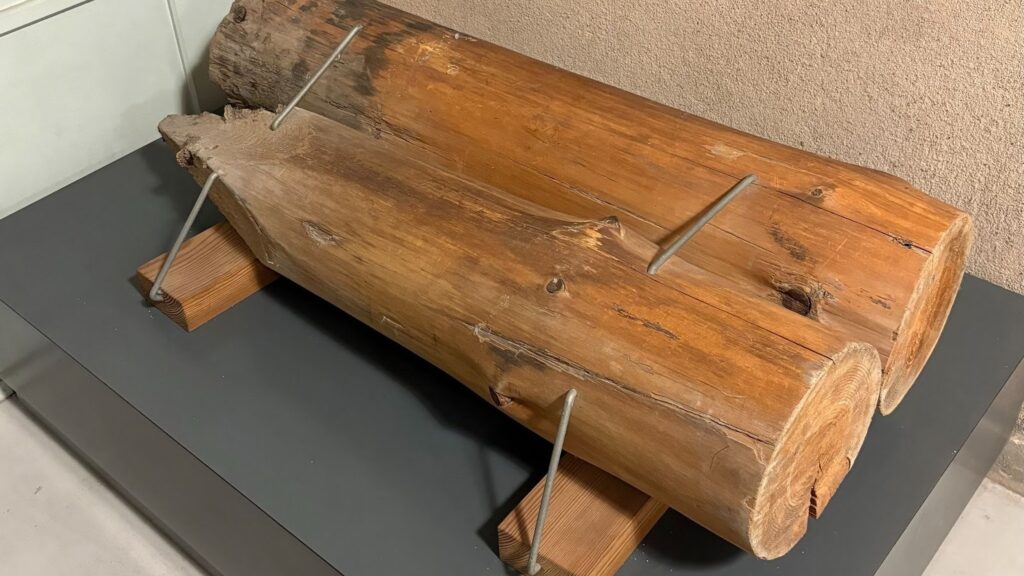
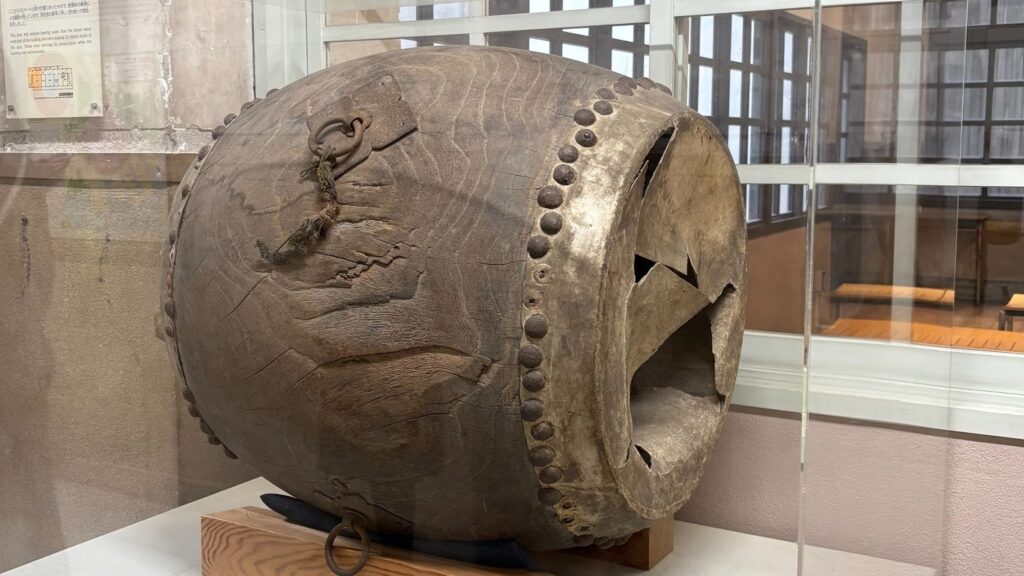
Located in central Hiroshima, the Fukuro-machi Elementary School Peace Museum is a small museum that stands quietly in the heart of the city. Although it is within walking distance of the well-known Hiroshima Peace Memorial Park, this place preserves the memories of the atomic bombing in a slightly different way.
Upon entering the museum, you won’t find flashy exhibits or large models. However, the “words” left on the walls and pillars of the school building quietly tell the story of this place’s history. What I felt upon actually visiting was that the “voices” of the people who lived through that time remain here, preserved exactly as they were.
The writing you see here was not added later for the sake of an exhibition; rather, it consists of messages left behind with desperate determination by the people who lived through that day. Looking at each one, it feels as though this is not an event from the distant past, but rather as if the presence of those people still lingers in this very place.
“Message” carved into the wall
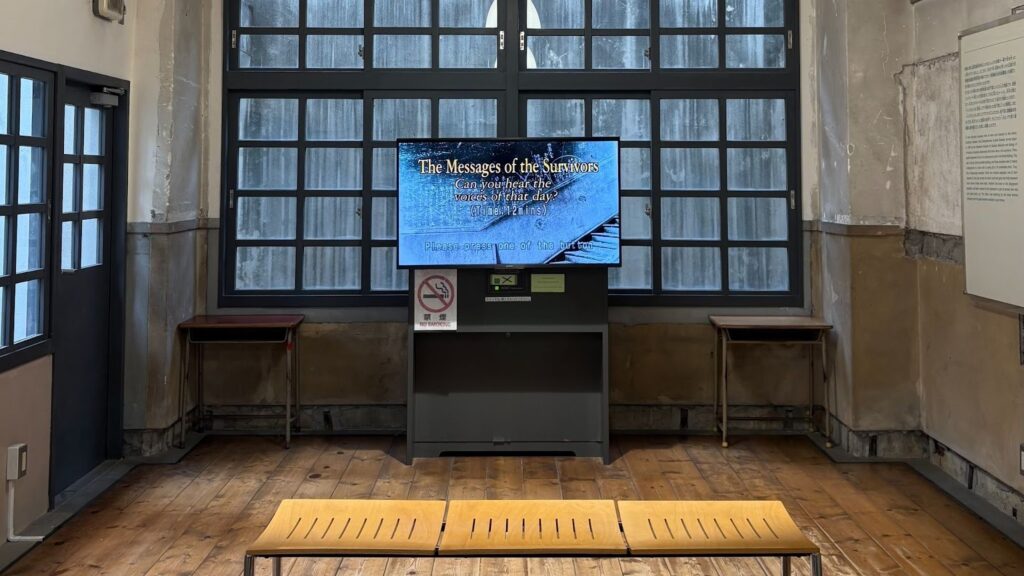
Today, Fukuro-machi Elementary School houses a museum serving as a center for peace education, but on August 6, 1945, when the atomic bomb was dropped on Hiroshima, the school was located just 460 meters from the hypocenter. It is said that the scene was one of near-total devastation, with the approximately 80 to 160 students and staff members who were in the schoolyard killed instantly; only a very small number, including three children in the basement, survived.
After the bombing, the school building was used as a first-aid station, and many injured people were brought there. It is said that at that time, people searching for their families left messages written in charcoal or chalk on the walls and pillars.
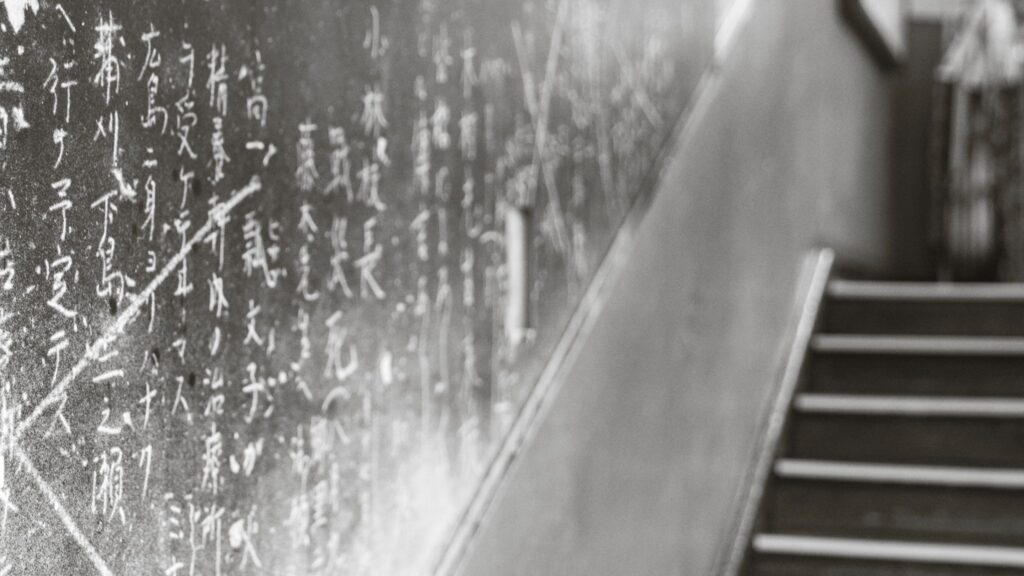
“Looking for [Name]”
“Receiving treatment at the clinic”
“Please let us know”
Though these are brief messages, each one paints a vivid picture of people desperately searching for their families. Imagining those who continued to search for their loved ones in a town reduced to ashes, struggling even to breathe, brings a heart-wrenching sense of sorrow.
Interpreting the Language of the Past with Modern Technology
Over the years, many of these inscriptions have faded or become difficult to read. However, research is currently underway to decipher the text using technologies such as image analysis. By carefully examining the faint traces that remain and deciphering the words of that era one by one, these efforts are gradually bringing the voices left behind by those people into the present day.
As the number of atomic bomb survivors dwindles with each passing year, these “remaining words” are invaluable records. I feel that the characters themselves serve as witnesses, continuing to tell the story of those events.
Furthermore, I believe these messages are not merely historical documents, but rather something akin to a “testament” entrusted to the future. We must pass on to future generations these words, which are filled with the suffering of that time and the strength of those who fought desperately to survive.
Peace as Told by the Children of Hiroshima
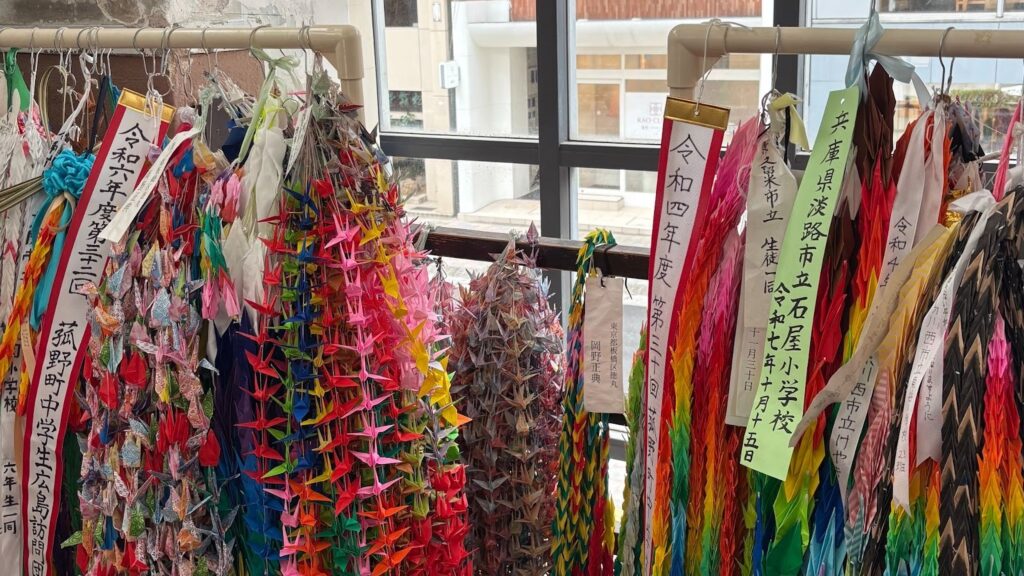
At Fukuro-machi Elementary School, I saw elementary school students who were already striving to fulfill that mission. There, elementary school students from Hiroshima were explaining the exhibits to visitors.
The children weren’t just reading from materials; they were trying to convey the history of the atomic bombing in their own words. It was very moving to see them explaining so earnestly, making eye contact with the visitors.
In Hiroshima, children have opportunities to learn about the history of the atomic bombing as part of their peace education starting in elementary school. Perhaps that is why, for these children, this history does not feel like a “distant event,” but rather something close to home—an event that took place right in their own city.
Not just listening to stories, but conveying them in their own words. Seeing this, I was reminded once again of the importance of exposing children to history from a young age, so that this history is not forgotten but passed on to future generations.
In regions with no direct connection to Hiroshima, there may be few opportunities to feel a personal connection to the history of the atomic bombing. Nevertheless, visiting places like this and learning about them can serve as a catalyst for people to view past events as something that concerns them personally.
Reflect on Hiroshima’s history at Hotel Small World
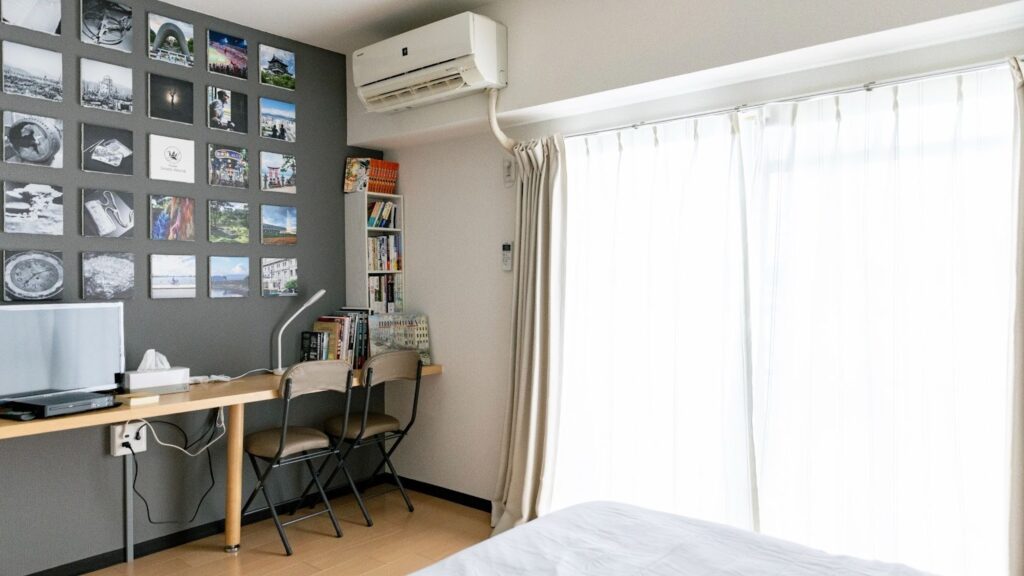
In addition to its well-known tourist attractions, the city of Hiroshima is home to many places like this that quietly preserve and pass down its history. Hotel Small World is one such place.
Hotel Small World displays materials and photographs related to the war, offering guests a place to stay while reflecting on Hiroshima’s history and the city’s commitment to peace. It is easily accessible from the Fukuro-machi Elementary School Peace Museum, making it a convenient stop during a stroll through the city.
At the end of a day spent exploring history, why not spend a quiet moment reflecting on the journey Hiroshima has taken?
Summary
At the Fukuro-machi Elementary School Peace Museum, the voices of those who lived through that time still linger quietly in the words inscribed on the walls. These are not merely historical records; they are the very thoughts and feelings of people who, thinking of their families, struggled desperately to survive.
When you visit Hiroshima, please be sure to stop by the Fukuro-machi Elementary School Peace Museum and listen to the words left on the walls.


Recommend
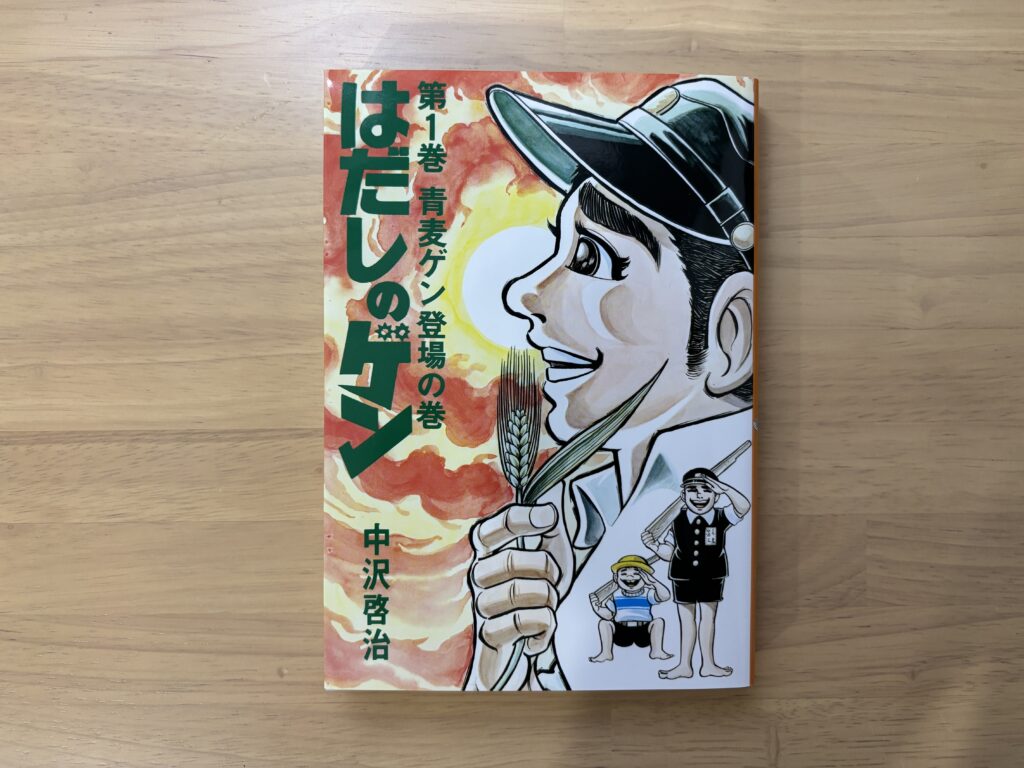
Learning About Hiroshima After the Atomic Bombing and the People Who Lived Through the Postwar Era Through Barefoot Gen
Here are some parking options, car-sharing services, and car rentals near Hotel Small World
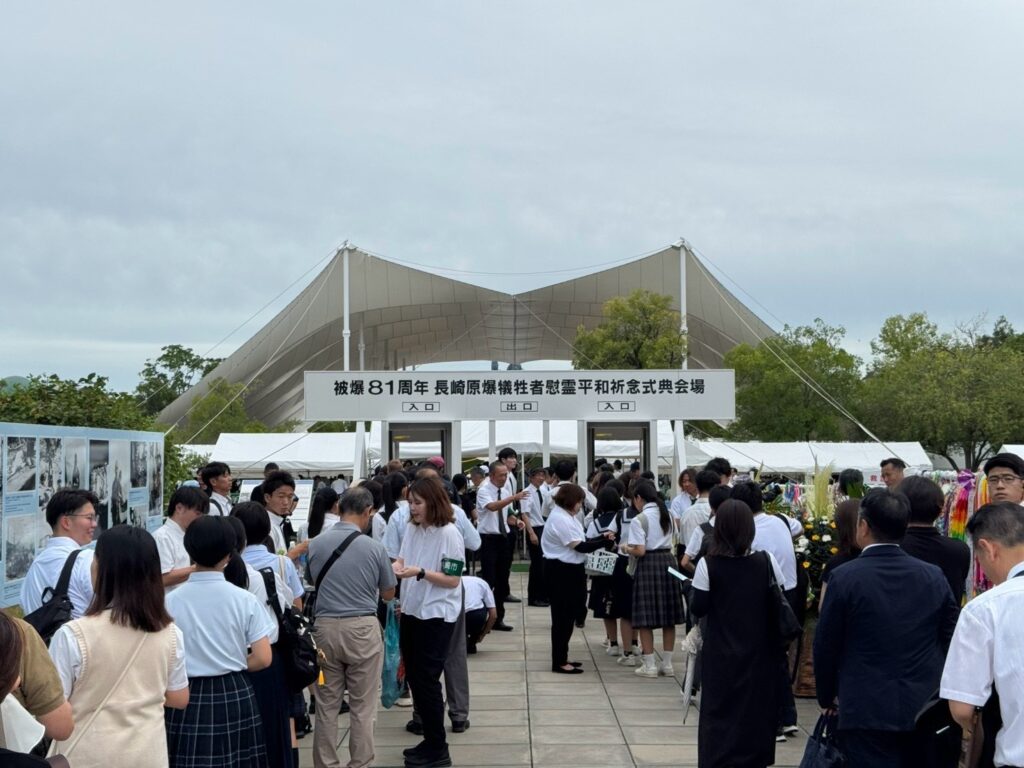
What Is the Nagasaki Peace Memorial Ceremony? — A Prayer for Peace from “The Last City to Suffer an Atomic Bombing”