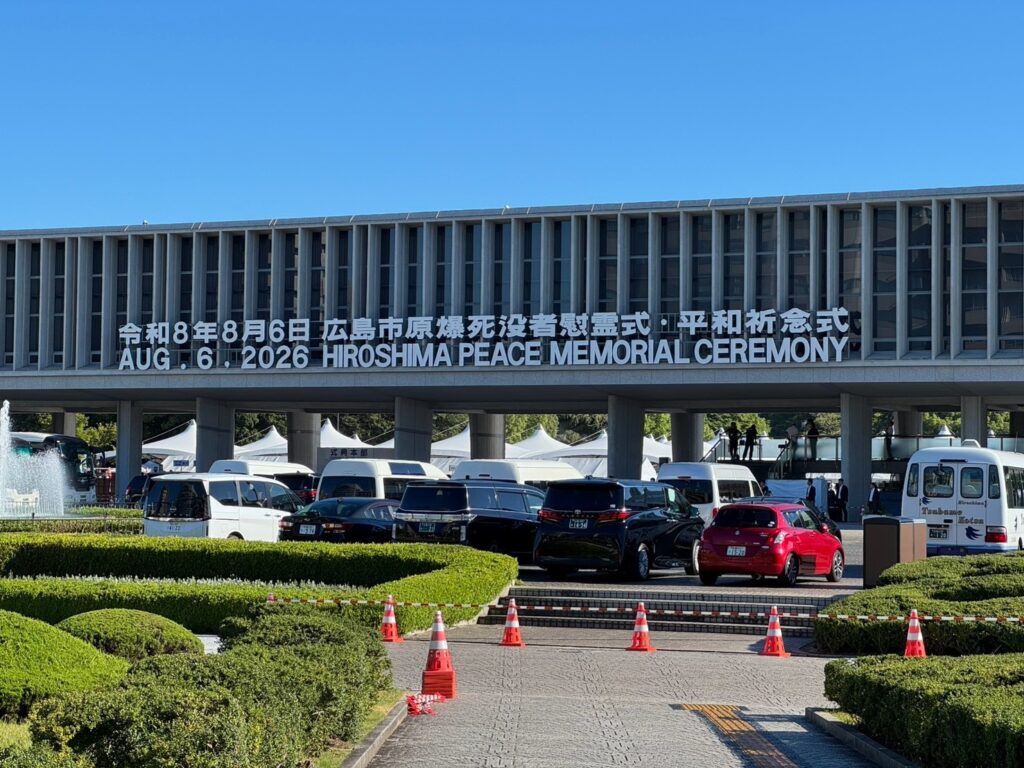
Hiroshima Atomic Bomb | What Happened in 1945 and What You Can Learn Today
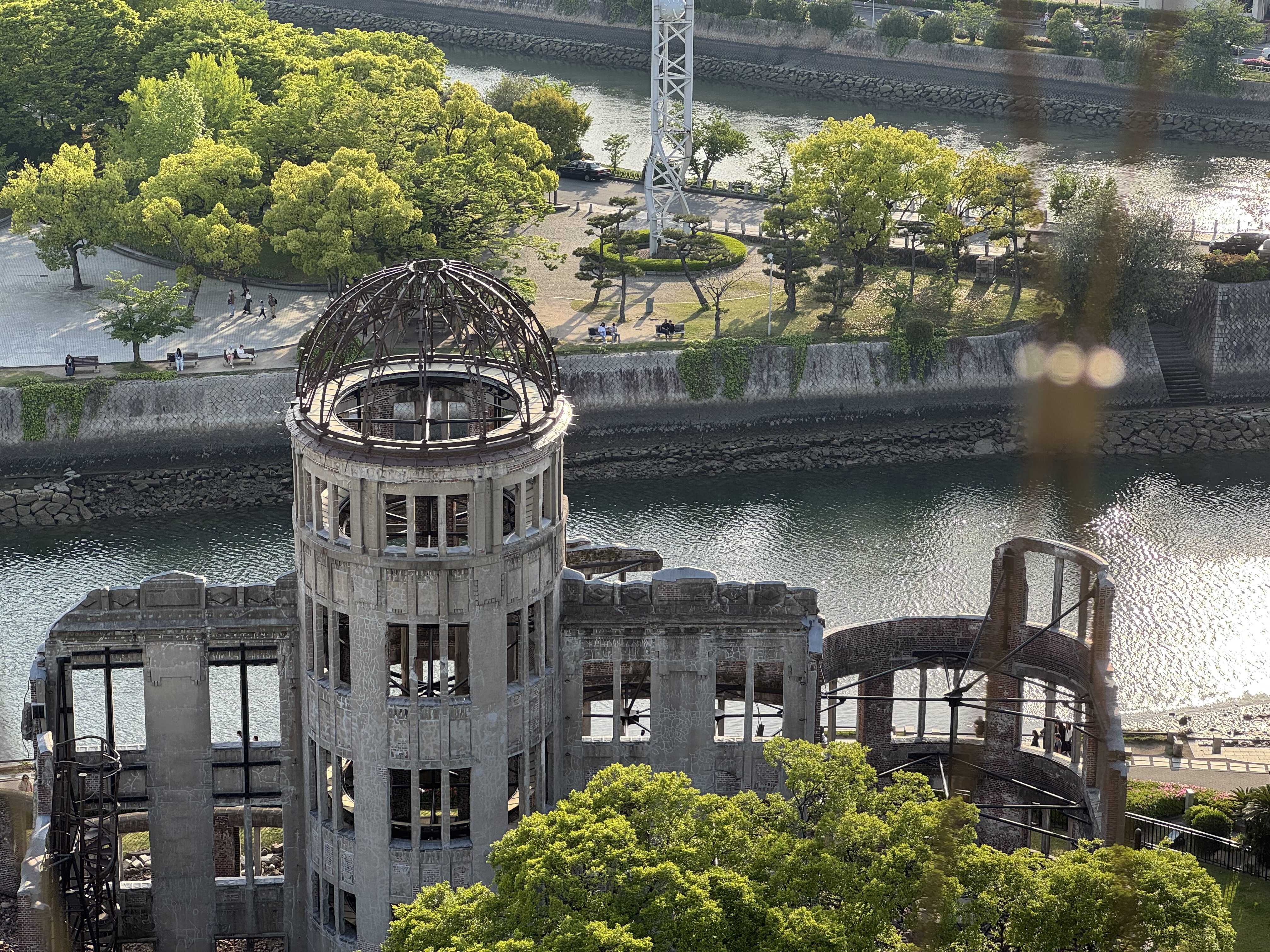
On August 6, 1945, Hiroshima became the first city in the world to experience the use of an atomic bomb in war. At 8:15 a.m., a B-29 bomber dropped a uranium bomb known as “Little Boy” over the city. The explosion destroyed much of Hiroshima and caused devastating human and physical damage.
Today, Hiroshima is known around the world as a place that preserves the memory of this event and promotes peace. Visitors can learn about the history of the atomic bombing through sites such as the Atomic Bomb Dome, the Hiroshima Peace Memorial Museum, and the Peace Memorial Park.
In this article, we explain what happened in Hiroshima on August 6, 1945, the scale of the damage caused by the atomic bomb, and the places where people can learn about this history today.
The Hiroshima Atomic Bomb on August 6, 1945
To understand the atomic bombing of Hiroshima, it is helpful to look at the key facts of the event. The following sections explain what happened on August 6, 1945 using the 5W1H framework.
When Did the Hiroshima Atomic Bomb Happen?
The atomic bomb was dropped on Hiroshima on August 6, 1945, during the final stages of World War II, a global conflict that lasted from 1939 to 1945. At 8:15 a.m. local time, a B-29 bomber released the uranium bomb known as “Little Boy” over the city.
Every year on August 6 at 8:15 a.m., a moment of silence is observed in Hiroshima to remember the victims of the atomic bombing and pray for peace.
Where Did the Bomb Explode?
The atomic bomb exploded above the center of Hiroshima. The detonation occurred at an altitude of about 600 meters (approximately 1,900 feet) above the city, near what is now known as the hypocenter of the explosion.
The hypocenter was located in the area of Shima Hospital, in present-day Hiroshima City. The intense heat and blast from the explosion destroyed buildings and structures across a wide area of the city.
One building that survived near the hypocenter was the Hiroshima Prefectural Industrial Promotion Hall, which is now preserved as the Atomic Bomb Dome, a UNESCO World Heritage Site.
What Was “Little Boy”?
“Little Boy” was the name of the atomic bomb dropped on Hiroshima on August 6, 1945. It was a uranium-based nuclear weapon developed during the Manhattan Project in the United States.
The bomb was about 3 meters (10 feet) long and weighed approximately 4,400 kilograms (about 9,700 pounds). It produced an explosive force equivalent to about 15 kilotons of TNT when it detonated above Hiroshima.
Little Boy was designed to explode in the air, which increased the destructive impact of the blast and heat over a wide area of the city.
Who Was Involved in the Hiroshima Atomic Bombing?
The bomb was developed as part of the Manhattan Project, a research program led by scientists including J. Robert Oppenheimer.
The atomic bomb was delivered by a B-29 bomber called Enola Gay of the United States Army Air Forces, piloted by Colonel Paul W. Tibbets Jr., which took off from Tinian Island in the Pacific Ocean.
At the time of the explosion, Hiroshima had a population of about 350,000 people, including civilians, students, workers, and military personnel.
Why Was Hiroshima Chosen as the Target?
Several factors are mentioned in historical records regarding why Hiroshima was selected as a target. At the time, the city was an important military and transportation center with army facilities and supply bases.
Hiroshima had also not experienced the same level of large-scale bombing as some other Japanese cities earlier in the war. Because much of the city remained intact, it has been suggested that Hiroshima was considered suitable for observing the effects of the new weapon.
How Did the Blast Destroy the City?
When the atomic bomb exploded above Hiroshima, it released a massive amount of energy in a fraction of a second. The destruction was mainly caused by three effects: intense heat, powerful blast waves, and radiation.
The heat generated by the explosion produced an extremely bright flash and high temperatures near the center of the blast. At the same time, powerful shock waves spread outward and damaged buildings across the city. Radiation was also released during the explosion and affected many people who were exposed to it.
The Impact of the Hiroshima Atomic Bomb
The atomic bombing of Hiroshima caused widespread destruction and loss of life. The explosion damaged much of the city and affected a large number of people.
In addition to the immediate damage caused by heat and blast, radiation exposure also had serious consequences. The following sections explain the human casualties, the destruction of the city, and the long-term effects experienced by survivors.
Human Casualties and Death Toll
The atomic bombing caused a large number of casualties in Hiroshima. The exact number of deaths is still not known.
According to estimates by the Hiroshima City government, about 140,000 people had died by the end of 1945 as a result of the bombing. At the time, Hiroshima had a population of about 350,000 people, including residents, soldiers, and people who had come from nearby areas for work or evacuation duties.
More detailed information about casualty estimates is available from the Hiroshima City government.
The City of Hiroshima:The Realities of the Atomic Bombing
Destruction of the City
The atomic bombing caused extensive destruction across Hiroshima. Buildings near the hypocenter were destroyed by the blast and intense heat, and fires spread across large parts of the city.
Areas within about two kilometers of the hypocenter suffered the most severe damage. Even several kilometers away, damage from the blast was reported in areas such as Nishi-Hiroshima and Ujina, where buildings and windows were affected.
Nominated for UNESCO “Memory of the World”:Atomic Bomb Destruction of Hiroshima
Radiation Effects and Hibakusha
In addition to heat and blast damage, the atomic bombing also released large amounts of radiation. People who were exposed to high levels of radiation experienced various health effects.
Some people developed symptoms soon after the explosion, including nausea, fever, and hair loss. These conditions are now known as acute radiation sickness.
People who survived the bombing and were exposed to radiation are known as hibakusha, a Japanese term referring to survivors of the atomic bombings of Hiroshima and Nagasaki. Many hibakusha experienced long-term health effects related to radiation exposure.
How to Learn About the Hiroshima Atomic Bomb Today
Today, several places in Hiroshima preserve the history of the atomic bombing and share information about what happened in 1945. Visitors can learn about the event and its impact through museums, memorial sites, and historical landmarks in the city.
The following locations are among the most well-known places where people can learn about the Hiroshima atomic bombing.
Atomic Bomb Dome
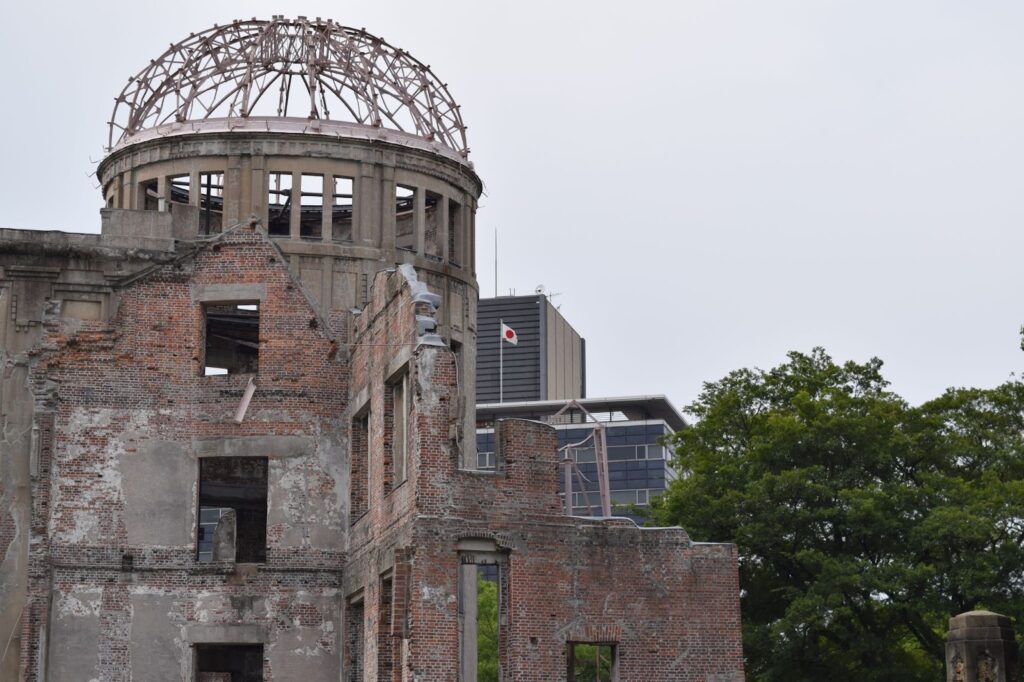
The Atomic Bomb Dome is one of the most well-known landmarks related to the Hiroshima atomic bombing. The building originally served as the Hiroshima Prefectural Industrial Promotion Hall before the war.
Located near the hypocenter of the explosion, the structure was heavily damaged but remained standing after the blast. Today, the Atomic Bomb Dome has been preserved as a historical site and is registered as a UNESCO World Heritage Site. It remains an important place for people who want to learn about the history of Hiroshima.
You can read about our experience visiting the Atomic Bomb Dome in the article below.
Hiroshima’s Past and Present, as Felt at the Atomic Bomb Dome — Memories Standing Quietly
Hiroshima Peace Memorial Museum
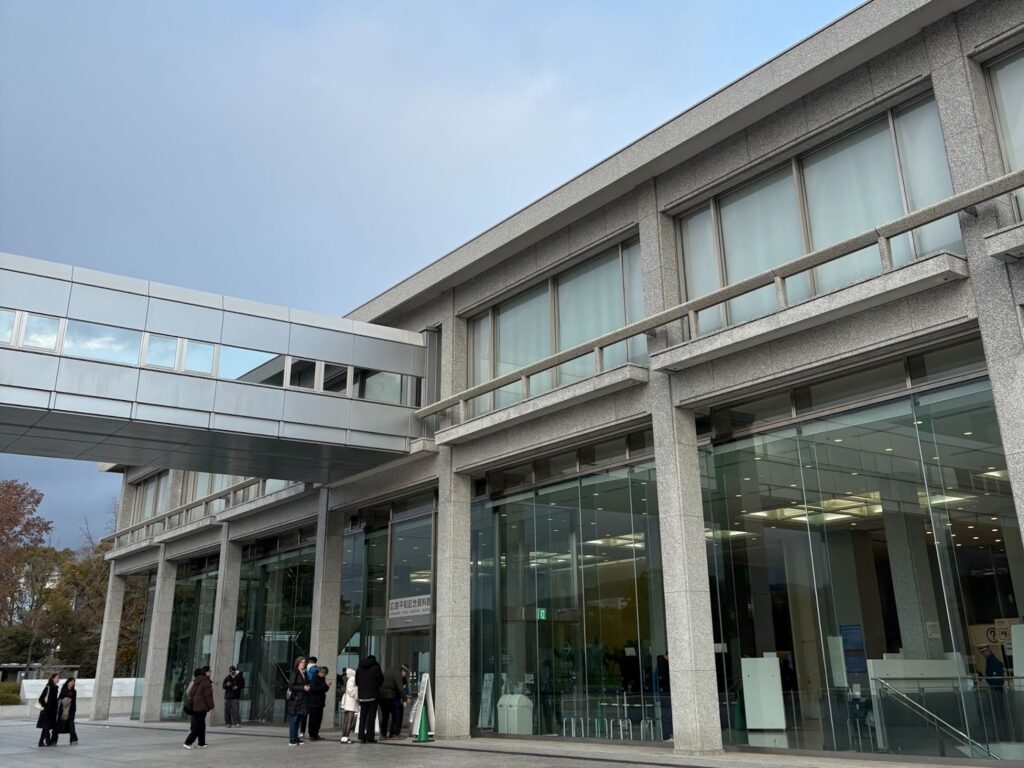
The Hiroshima Peace Memorial Museum presents information about the atomic bombing and its impact on the city and its people. The museum displays photographs, historical materials, and personal belongings from the time of the bombing.
Through these exhibits, visitors can learn about the events of August 6, 1945, and the experiences of people who lived in Hiroshima at that time. The museum is visited by people from around the world who come to learn about the history of the atomic bombing.
You can read about our experience visiting the Hiroshima Peace Memorial Museum in the article below.
Hiroshima Peace Memorial Park
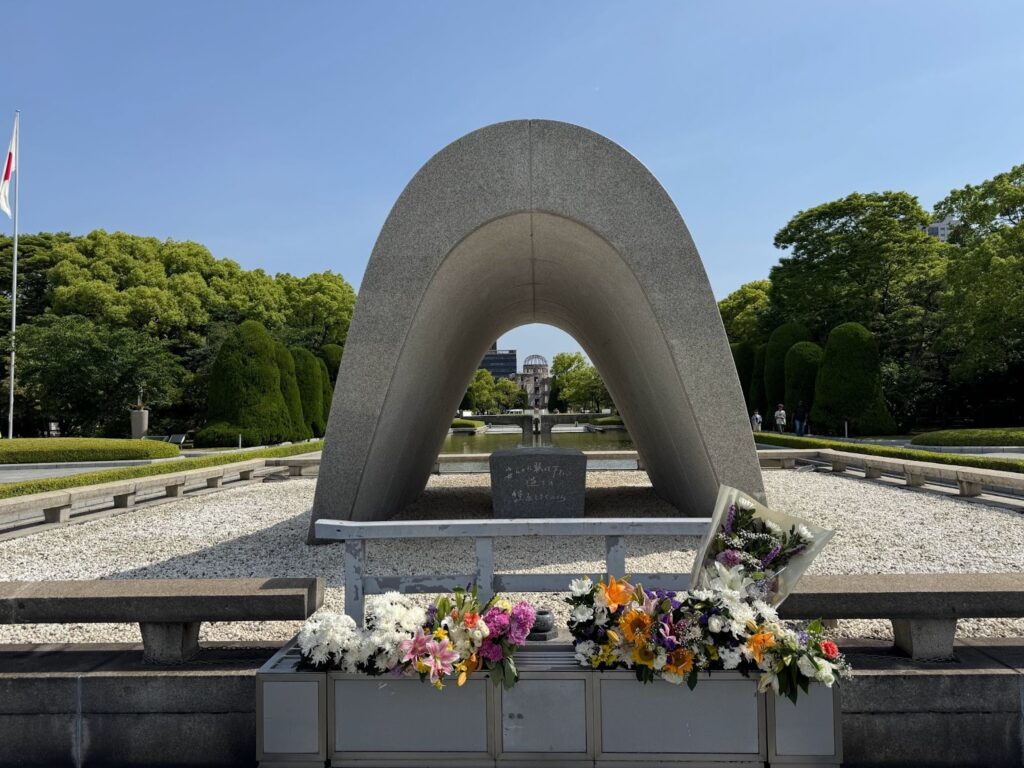
The Hiroshima Peace Memorial Park is a public park located near the hypocenter of the atomic bombing. The area was once part of the city center before it was destroyed by the explosion.
Today, the park contains several memorials dedicated to the victims of the atomic bombing, including the Cenotaph for the Atomic Bomb Victims and the Peace Flame. Every year on August 6, a memorial ceremony is held in the park to remember those who died in the bombing. The ceremony is attended by representatives from many countries.
Stories of Hibakusha
Many survivors of the atomic bombing are known as hibakusha, a Japanese term referring to people who experienced the atomic bombings of Hiroshima and Nagasaki.
Over the years, many hibakusha have shared their experiences through testimonies and public talks. Some survivors have served as storytellers (kataribe), sharing first-hand accounts of what happened on August 6, 1945.
As 2025 marks the 80th anniversary of the atomic bombing, the number of hibakusha who can speak about their own experiences is gradually decreasing.
Hotel Small World
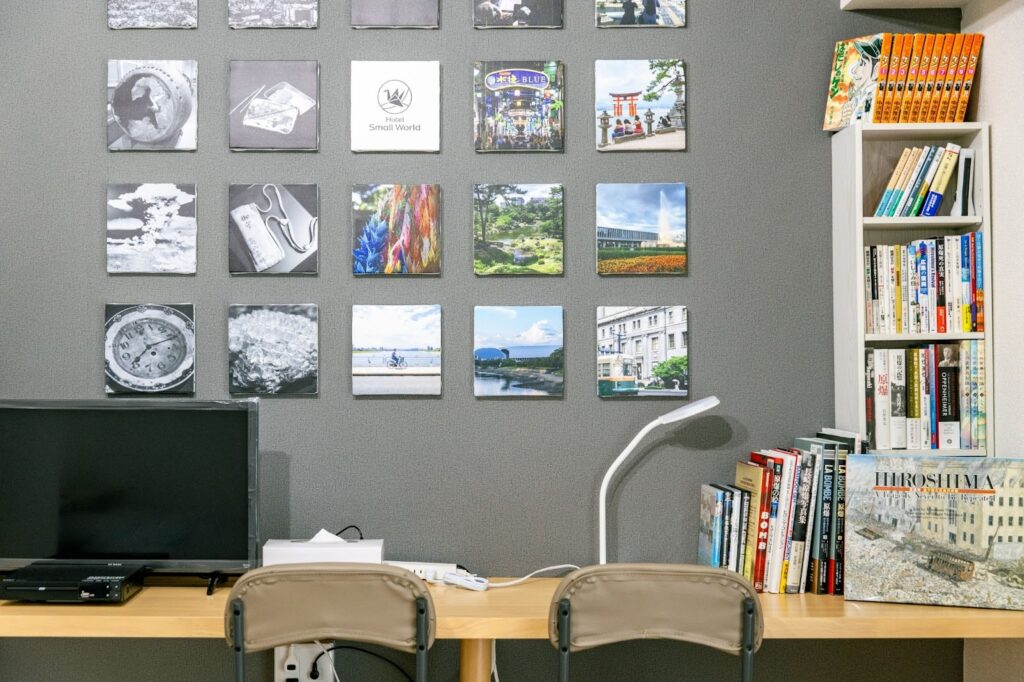
Hotel Small World Hiroshima offers a unique stay based on the concept of peace.
After visiting the Hiroshima Peace Memorial Museum, some visitors may want time to quietly reflect on what they have learned and experienced. Hotel Small World provides a calm and private space where guests can take that time.
Guest rooms include books and materials related to the history of Hiroshima, allowing visitors to deepen their understanding after visiting the museum.
For travelers who value learning and reflection during their trip, Hotel Small World can be a comfortable place to stay in Hiroshima.
FAQ About the Hiroshima Atomic Bomb
How many people died in Hiroshima?
The exact number of people who died as a result of the Hiroshima atomic bombing is still not known. According to estimates by the Hiroshima City government, about 140,000 people had died by the end of 1945 due to the effects of the bombing.
At the time of the explosion, Hiroshima had a population of about 350,000 people, including residents, soldiers, and people who had come from nearby areas.
Is Hiroshima still radioactive today?
Hiroshima is not considered radioactive today. Most of the radiation from the atomic bomb was released at the moment of the explosion and quickly dissipated.
Today, radiation levels in Hiroshima are similar to those in other cities around the world. The city has been rebuilt and developed into a modern urban center with more than one million residents.
Can tourists visit Atomic Bomb Sites in Hiroshima?
Yes. Tourists visiting Hiroshima can see several historical sites related to the atomic bombing. The most well-known places include the Atomic Bomb Dome, the Hiroshima Peace Memorial Museum, and the Hiroshima Peace Memorial Park.
These sites are located in central Hiroshima and are among the city’s most visited landmarks. Many travelers come here to learn about the events of August 6, 1945, and to better understand the history of the atomic bombing.
Conclusion
The Hiroshima atomic bombing on August 6, 1945 had a profound impact on the city and its people. Understanding what happened in Hiroshima is important for learning about the city’s history.
Today, Hiroshima is a modern city that continues to preserve the memory of the bombing. Places such as the Atomic Bomb Dome, the Hiroshima Peace Memorial Museum, and the Hiroshima Peace Memorial Park allow visitors to learn about the history and reflect on the events of that day.
By visiting these sites and learning from historical records and survivor testimonies, people can better understand the past and the importance of remembering it.


Recommend
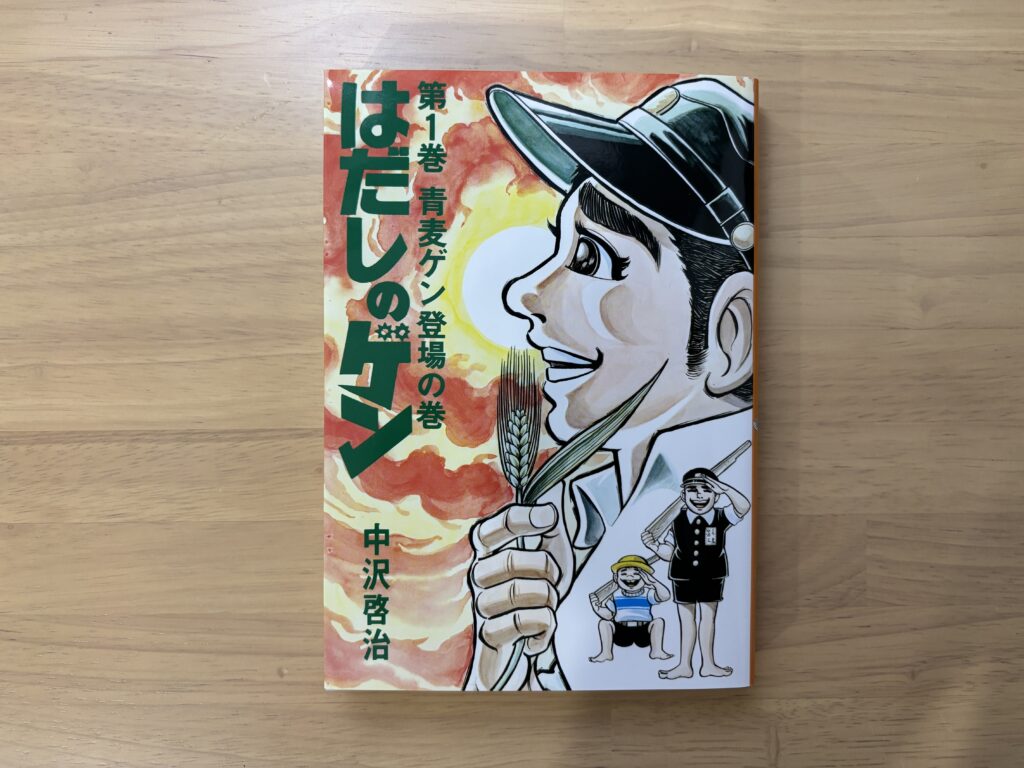
Learning About Hiroshima After the Atomic Bombing and the People Who Lived Through the Postwar Era Through Barefoot Gen
Here are some parking options, car-sharing services, and car rentals near Hotel Small World
What Is the Nagasaki Peace Memorial Ceremony? — A Prayer for Peace from “The Last City to Suffer an Atomic Bombing”