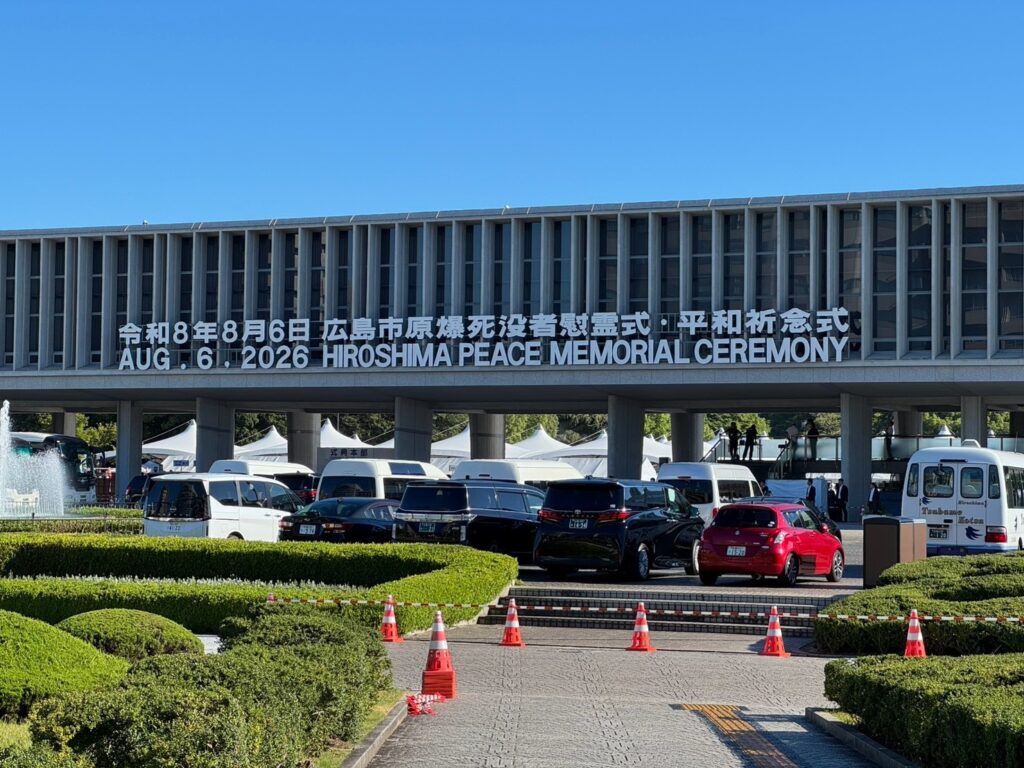
Exploring Hiroshima Castle—Another Side of the City of Water
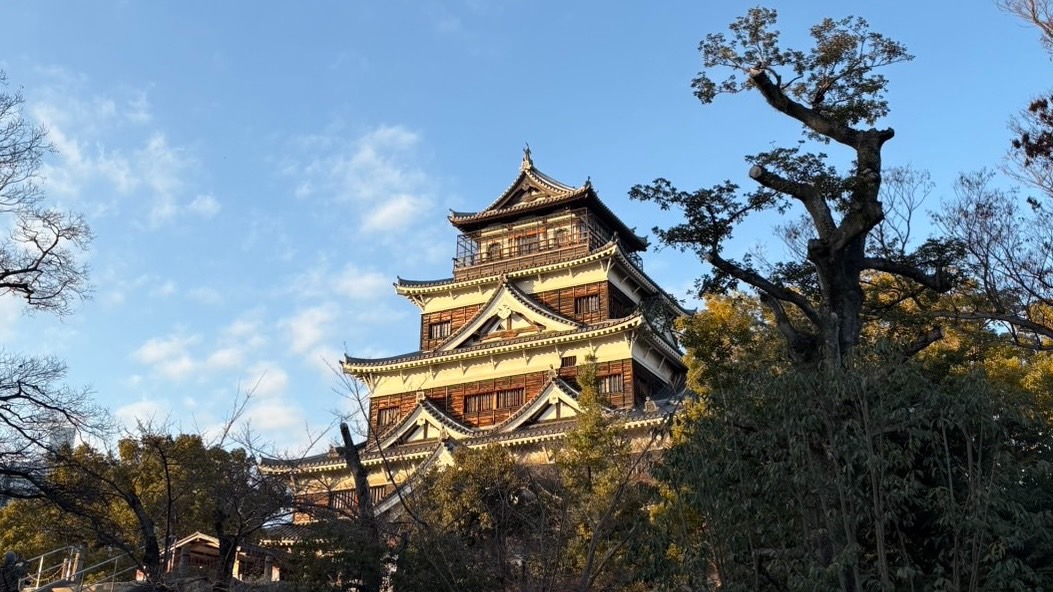
As you walk through the streets of Hiroshima, you may come across places where time seems to stand still, nestled among the modern skyscrapers. Located just a short distance from the city center, Hiroshima Castle is a place where you can easily experience history right in the heart of the city.
It is not only a popular tourist destination but also a cherished part of the local landscape, where daily life and history quietly intertwine.
Memories of the past, carved into the castle keep
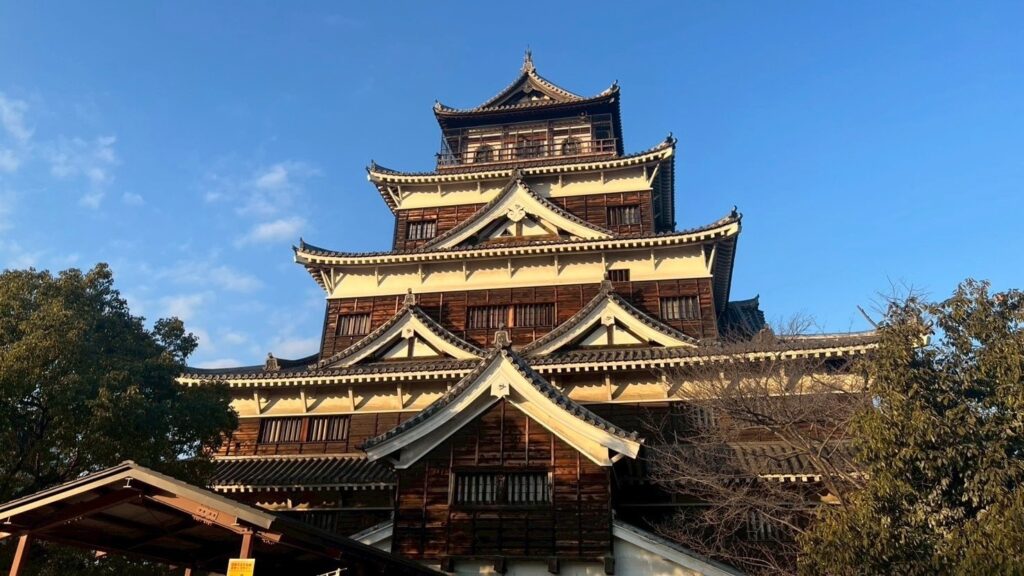
The castle keep, the symbol of Hiroshima Castle, was destroyed by the atomic bomb and later rebuilt in 1958 as a concrete structure that restored its original appearance. However, due to issues such as deterioration, and out of safety concerns, it ceased operations on March 22, 2026, bringing a close to its approximately 68-year history.
I was able to visit just before it closed, and looking up at the main tower from directly below, it exuded a quiet yet overwhelming presence. It was not merely beautiful; I could sense the weight and significance unique to a building that had stood the test of time.
A variety of attractions throughout the castle grounds
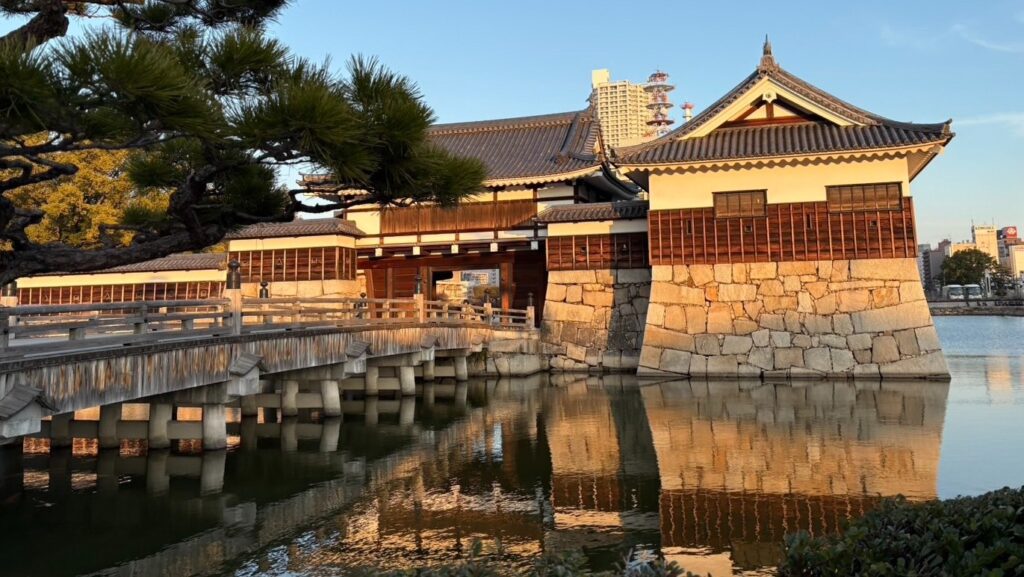
The charm of Hiroshima Castle lies not only in the buildings themselves.
The scenery reflected on the surface of the moat surrounding the castle further highlights the tranquility and beauty of this place. Around the Omon Bridge and the Hira-yagura, you can gaze at the castle’s silhouette swaying on the water, and on windless days, you can enjoy the scenery clearly reflected on the water’s surface.
In addition to historic structures such as the Omote-mon Gate and the Tamon-yagura, the grounds also feature the Hiroshima Gokoku Shrine, allowing you to encounter history in various ways as you stroll around. If you take a walk with the official castle map in hand, you’ll likely make new discoveries and enjoy Hiroshima Castle even more.
Lord Terumoto Mōri and the Origins of Hiroshima Castle
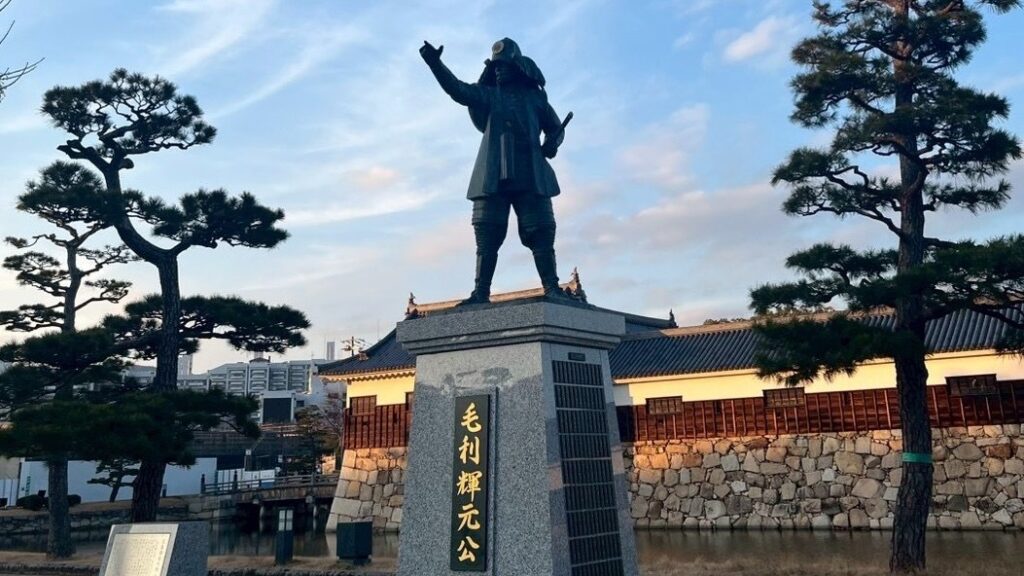
When discussing the history of Hiroshima Castle, the figure of Lord Mōri Terumoto, a warlord of the Sengoku period, is indispensable. Terumoto was the head of the Mōri clan, which ruled over much of the Chūgoku region, and he built Hiroshima Castle here in the late 16th century. His decision to establish a political and economic hub in Hiroshima—which had previously been a delta region surrounded by the sea and rivers—laid the foundation for the city of Hiroshima as we know it today.
Hiroshima Castle was not merely a fortress built for defense; it was a “flatland castle” constructed as the center of urban planning, with a castle town spreading out around it. Understanding this background makes one realize that the scenery before one’s eyes is “the very beginning of the city.”
Soak in the echoes of history at Hotel Small World
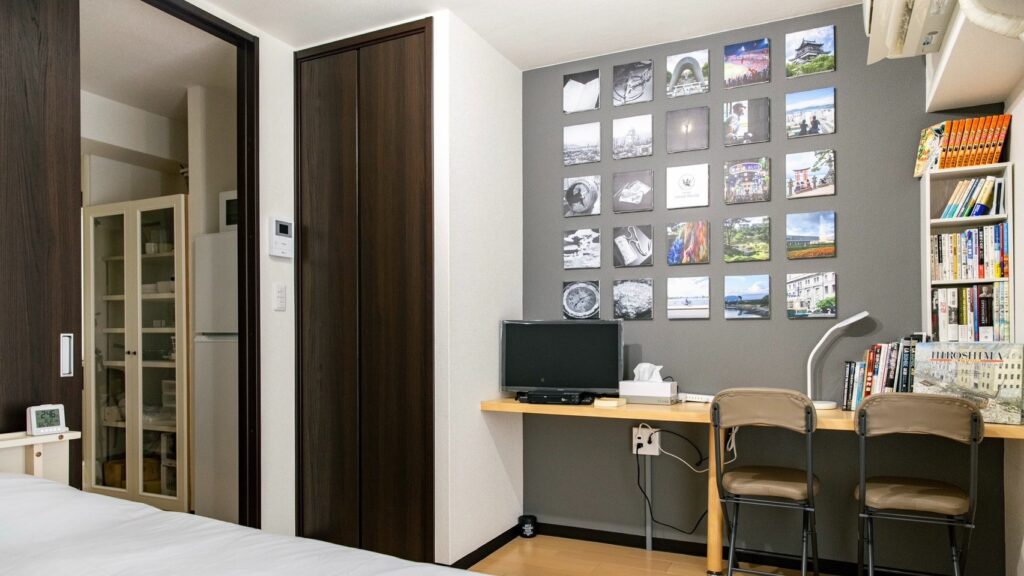
After taking your time exploring Hiroshima Castle, why not step away from the hustle and bustle of the city and enjoy a peaceful stay at Hotel Small World?
The hotel features materials and exhibits related to peace, offering a more personal and realistic perspective on history—one that differs slightly from the historical narratives typically encountered as a tourist.
The charm of this hotel lies not just in the accommodation itself, but in the opportunity it provides to take time to learn. Located within walking distance of Hiroshima Castle, it’s the perfect place to unwind after a stroll.
Summary
Located in the heart of Hiroshima, Hiroshima Castle is a place where time seems to slow down amidst the bustling city. It is beloved by many not only as a tourist destination but also as a place where people can casually stop by as part of their daily lives. If you ever visit Hiroshima, be sure to pay it a visit.


Recommend
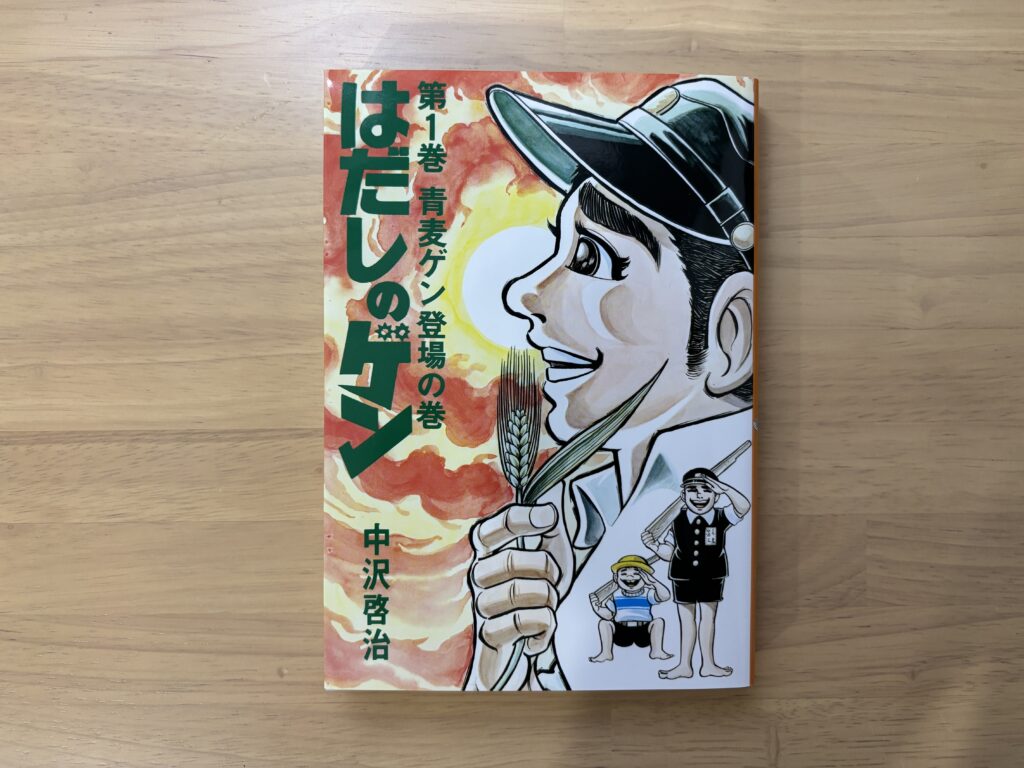
Learning About Hiroshima After the Atomic Bombing and the People Who Lived Through the Postwar Era Through Barefoot Gen
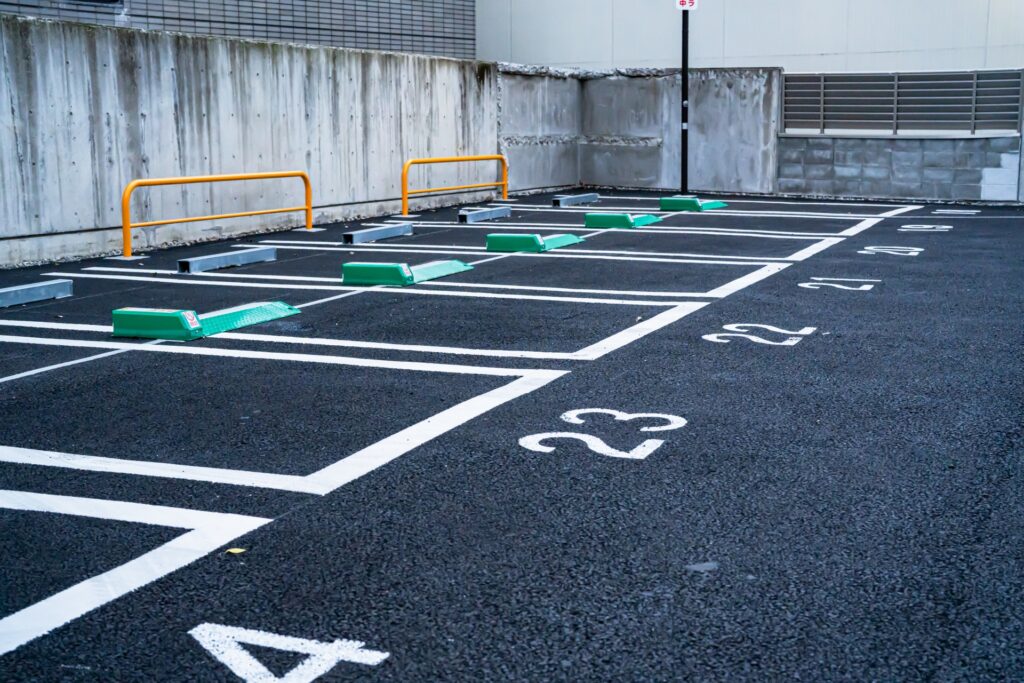
Here are some parking options, car-sharing services, and car rentals near Hotel Small World
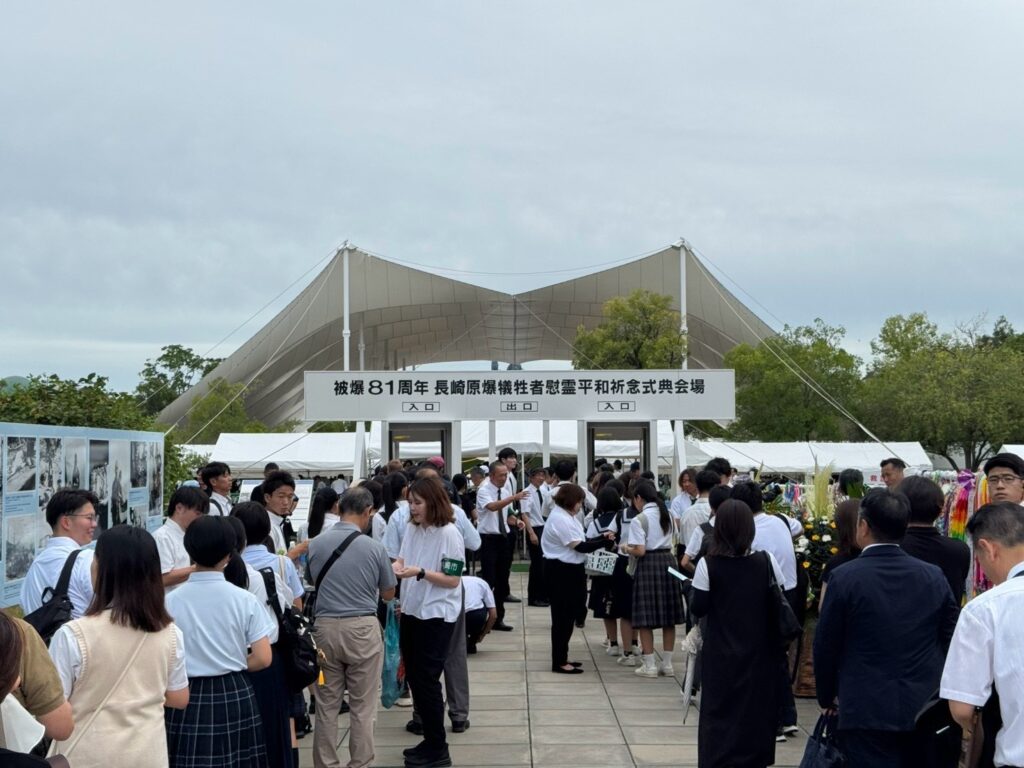
What Is the Nagasaki Peace Memorial Ceremony? — A Prayer for Peace from “The Last City to Suffer an Atomic Bombing”