Top 10 Things to Do in Hiroshima — Discover Peace, History, and Hidden Beauty
Introduction – Discover the Spirit of Peace in Hiroshima
Hiroshima is a city that carries deep emotions — sorrow, reflection, resilience, and hope. Known worldwide for its tragic history as the first city to experience the atomic bomb, Hiroshima has since become a global symbol of peace. Today, it is not just a destination to learn about the past, but also a place to feel the strength of humanity and the beauty of renewal.
Visitors to Hiroshima often come seeking to understand its history, but they leave with something greater — a sense of peace and connection. The city’s calm rivers, blooming trees, and gentle local culture offer comfort and inspiration. In this guide, we will explore ten places that capture the essence of Hiroshima — from its powerful memorials to its hidden gems and local flavors.
1. Hiroshima Peace Memorial Park and the Atomic Bomb Dome

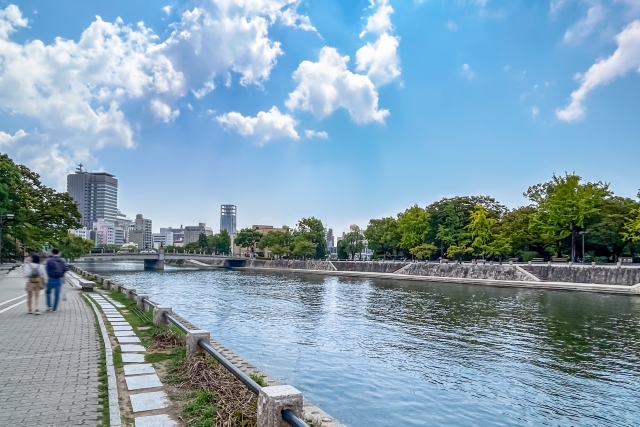
No trip to Hiroshima is complete without visiting the Hiroshima Peace Memorial Park. This vast, green space was once the center of the city before it was destroyed on August 6, 1945. Today, it serves as a sacred place where visitors from around the world come to pay their respects.
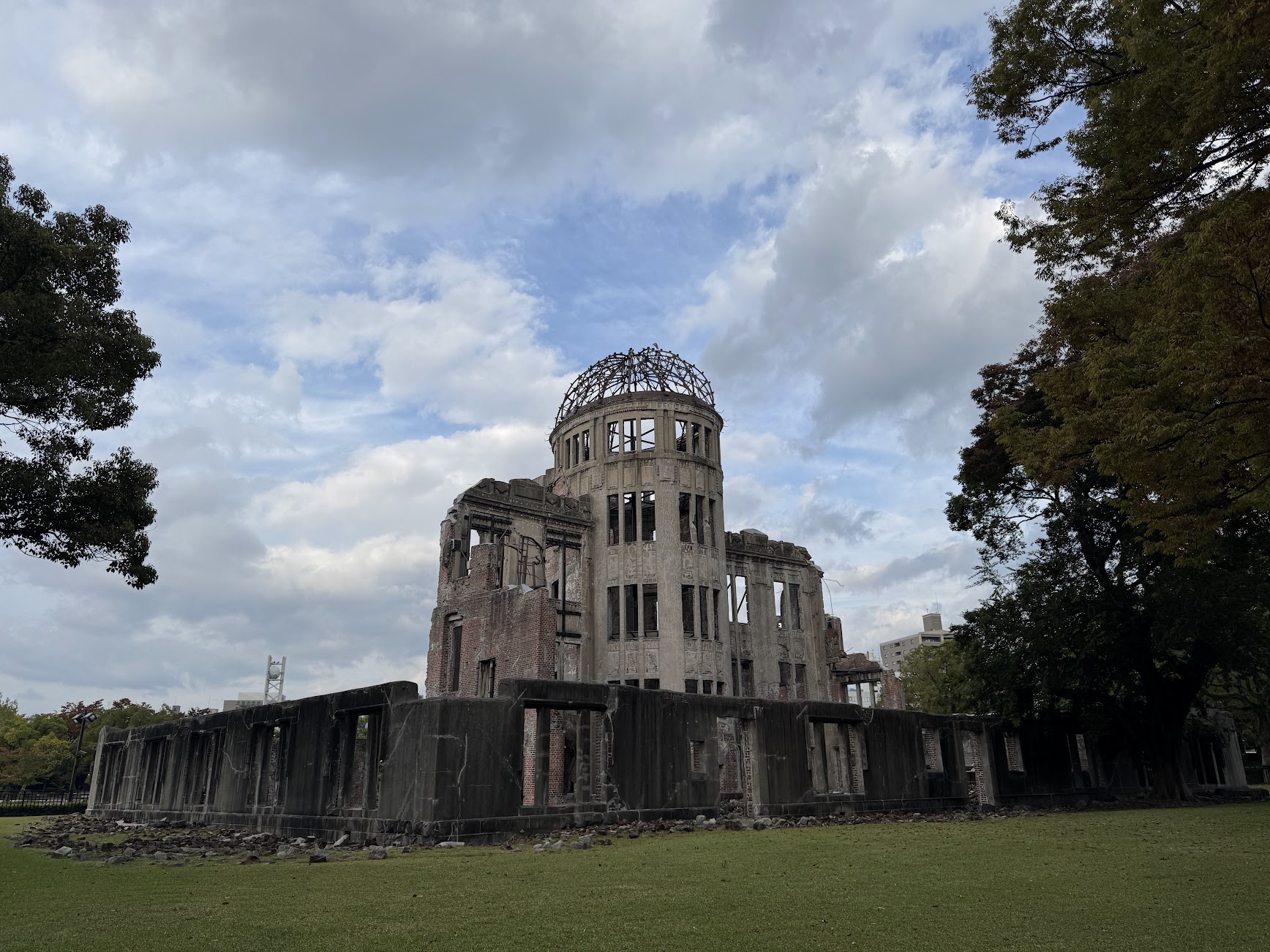
In the northeast area of the park stands the Atomic Bomb Dome, a haunting yet powerful reminder of the moment that changed history. The building, once the Hiroshima Prefectural Industrial Promotion Hall, survived the explosion and remains preserved in its ruined state. It is now a UNESCO World Heritage Site and an enduring symbol of peace.
As you walk through the park, you’ll find monuments like the Children’s Peace Monument, dedicated to Sadako Sasaki and the thousands of young victims, and the Cenotaph for the A-bomb Victims, where a stone arch holds the names of those who perished. The inscription reads: “Let all the souls here rest in peace, for we humans shall not repeat the evil.”
2. Hiroshima Peace Memorial Museum – A Journey Through History
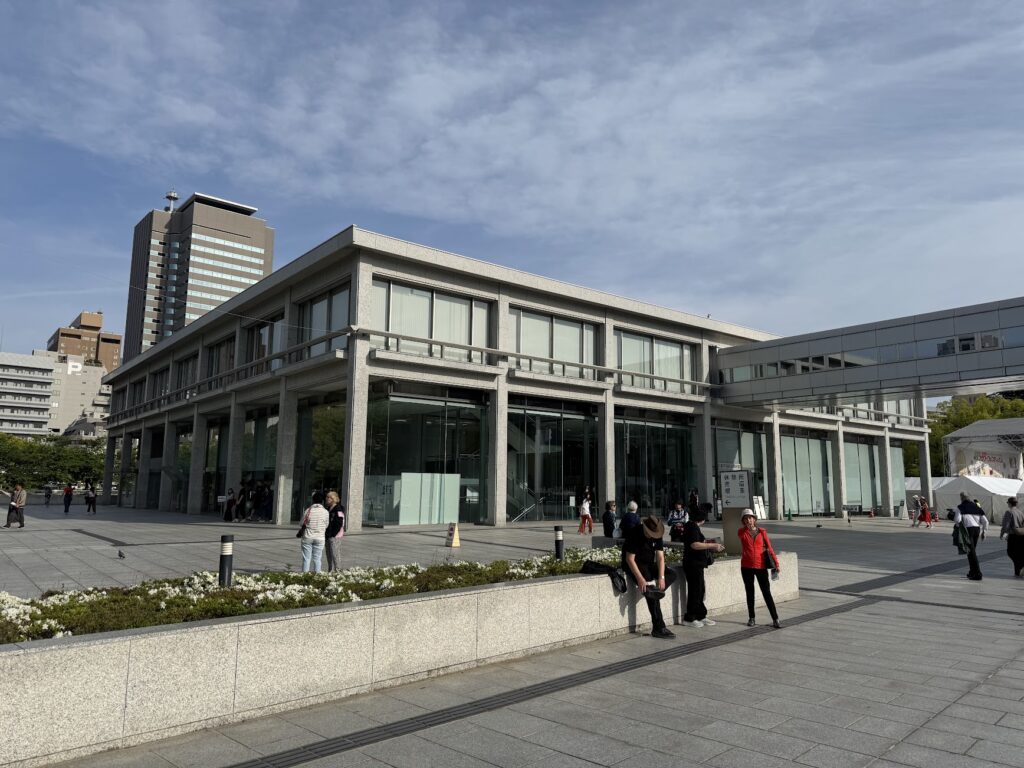
Next to the park lies the Hiroshima Peace Memorial Museum, one of Japan’s most moving museums. It offers an in-depth look at the events of August 6, 1945 — not only through historical documents and photographs but also through personal stories of those who lived through the tragedy.
The museum has been carefully curated to educate visitors about the effects of nuclear war while promoting peace and reconciliation. Exhibits show the city before and after the bombing, personal belongings of victims, and testimonies that bring history to life.
It’s not an easy place to visit, but it is a necessary one. Many travelers describe leaving the museum in silence — thoughtful, emotional, but also filled with hope. Hiroshima teaches that even after unimaginable destruction, people can rebuild, forgive, and move forward.
3. Hiroshima Castle – The Reborn Fortress
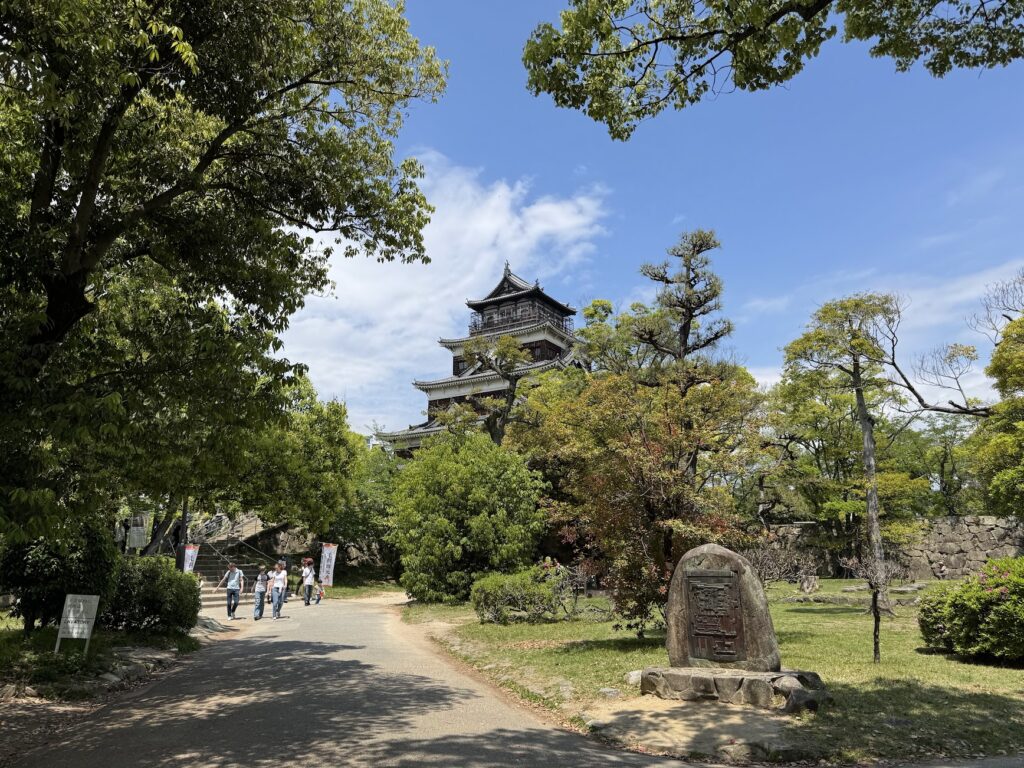
A short walk from the Peace Memorial Park brings you to Hiroshima Castle, also known as “Carp Castle.” Originally built in the 16th century by the powerful feudal lord Mori Terumoto, it was completely destroyed by the atomic bomb. The current castle is a faithful reconstruction, completed in 1958, and stands as a symbol of Hiroshima’s resilience.
Inside the castle, visitors can explore exhibits about samurai culture, Japanese sword, traditional armor and Hiroshima’s feudal history. From the top floor, you can enjoy panoramic views of the city — a beautiful contrast between the modern skyline and the peaceful moat below.
4 Shukkeien Garden – Harmony and Nature in the City

For those seeking calm and beauty, Shukkeien Garden offers an oasis of serenity. Created in 1620 by a feudal lord, the garden’s name means “shrunken scenery garden,” as it represents a miniature version of Japan’s natural landscapes — from mountains and rivers to tea houses and bridges.
Walking through the winding paths, you’ll see koi fish swimming beneath arched bridges and cherry trees that bloom beautifully in spring. Shukkeien is a perfect place to experience wa, the Japanese concept of harmony between humans and nature.
5. Miyajima and Itsukushima Shrine – The Sacred Island
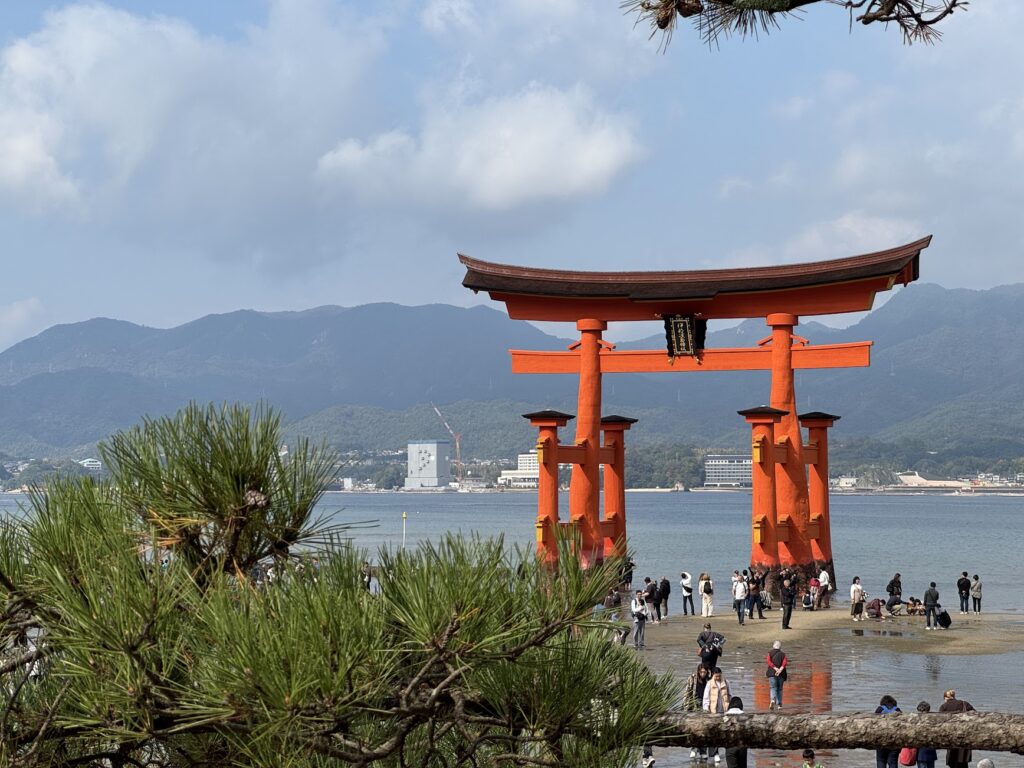
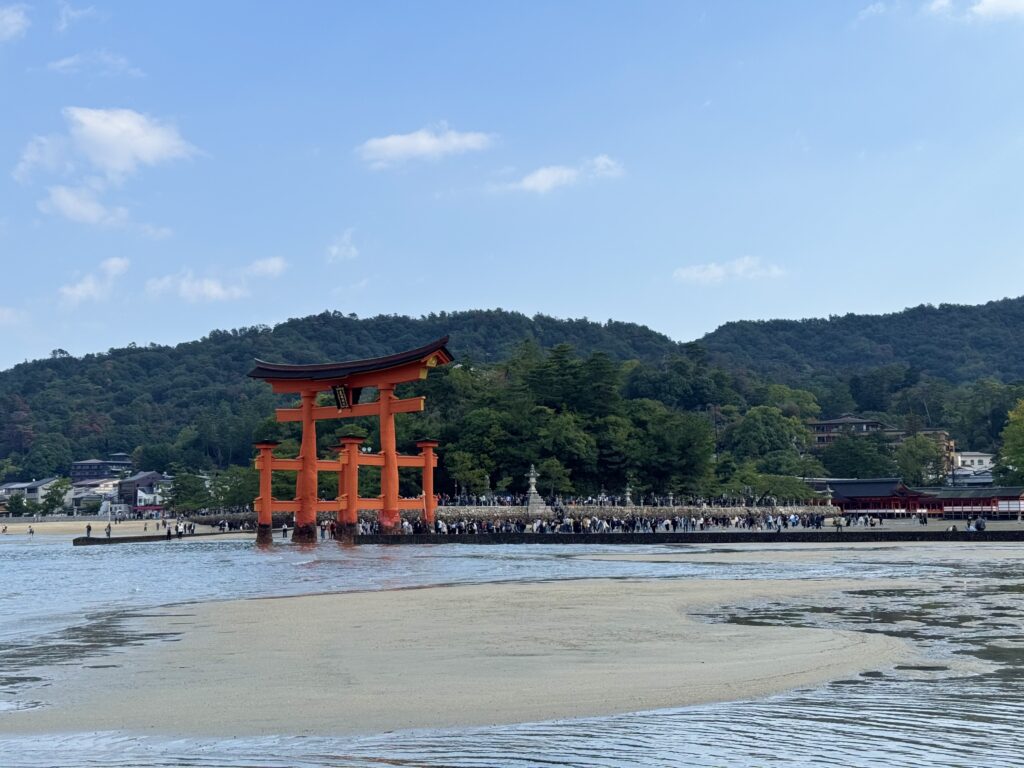
Just a short ferry ride from Hiroshima lies Miyajima Island, one of Japan’s most beloved destinations. The island’s iconic red torii gate of Itsukushima Shrine appears to float on the sea during high tide — a sight so breathtaking that it’s considered one of Japan’s “Three Scenic Views.”
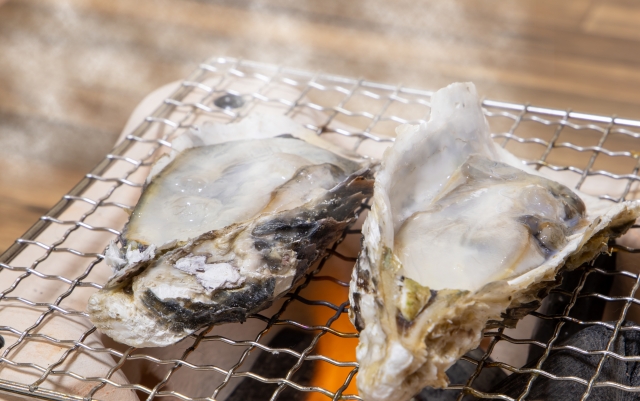
Beyond the shrine, visitors can hike Mount Misen, meet friendly deer roaming freely, or enjoy local treats like grilled oysters and momiji manju (maple-shaped cakes).
Miyajima isn’t just beautiful; it’s spiritual. As the sun sets over the torii gate, the calm sea and the sound of the waves remind visitors of the eternal connection between nature, faith, and peace.
6. Hiroshima Orizuru Tower – A View of Hope
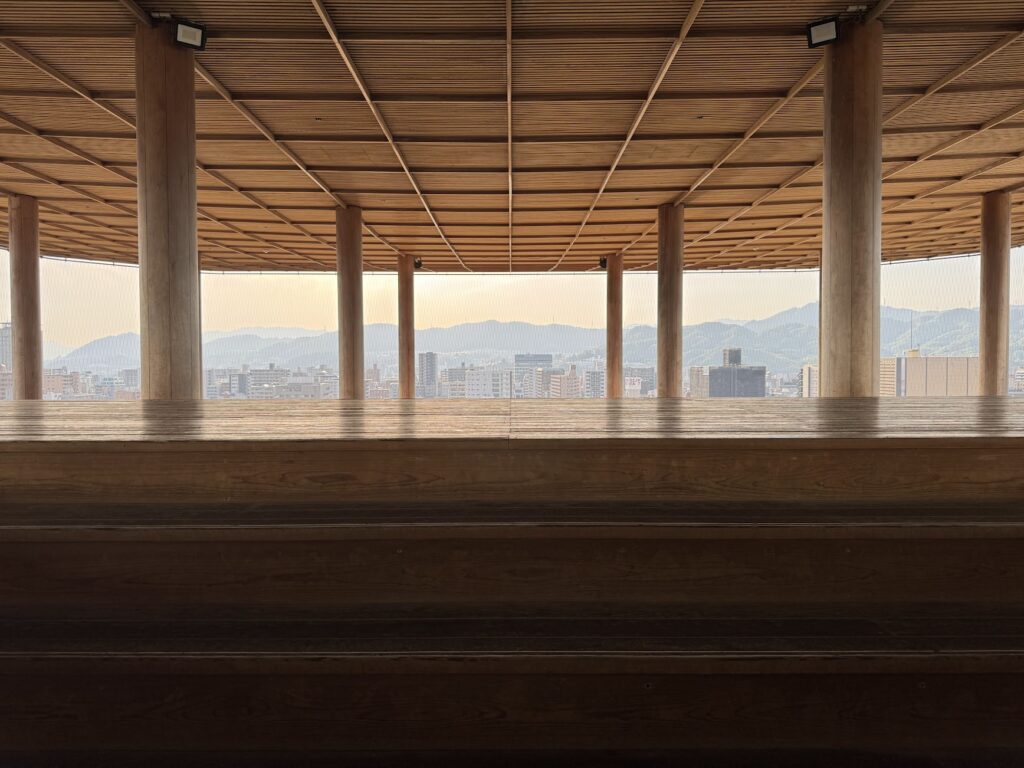
Across from the Peace Park stands the modern Orizuru Tower, offering panoramic views of the Atomic Bomb Dome and the city beyond. But it’s more than just an observation deck — it’s a space of reflection and creativity.
Visitors can fold their own orizuru (paper cranes) — a global symbol of peace inspired by Sadako Sasaki — and release them into the tower’s glass wall installation called the “Orizuru Wall.” Watching hundreds of colorful cranes floating inside symbolizes the collective wish for a peaceful world.
7. Okonomimura and Hiroshima’s Local Flavors
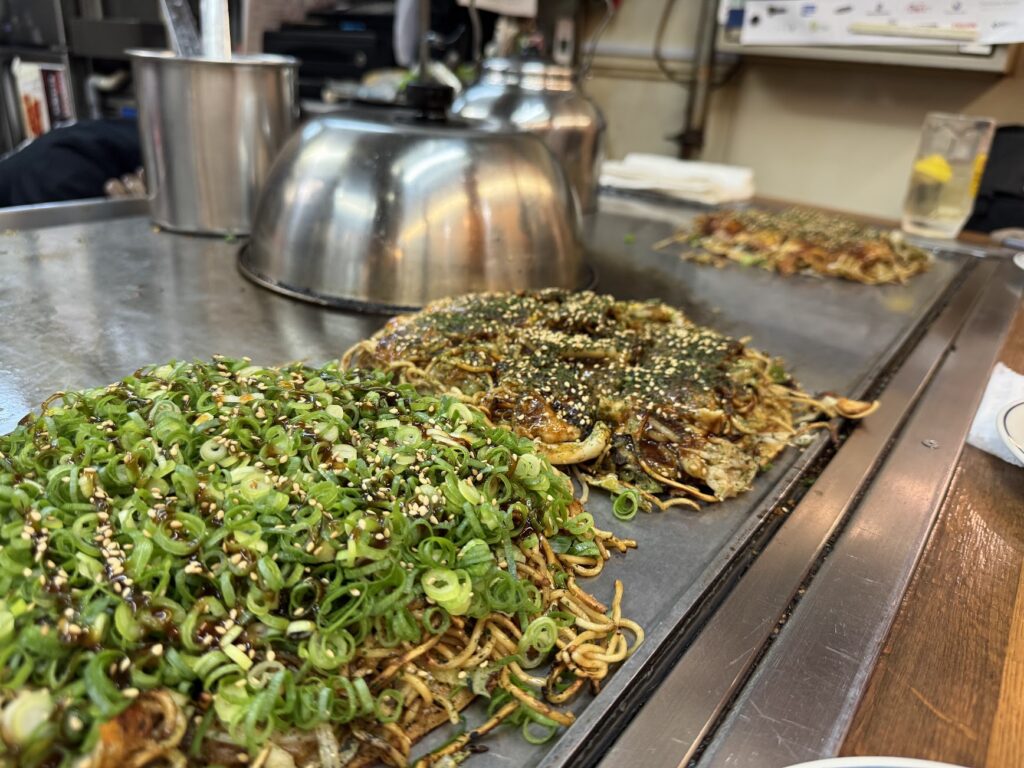
Hiroshima is also famous for its food culture, especially okonomiyaki, a savory pancake layered with noodles, cabbage, egg, and a rich sauce. The best place to experience it is Okonomimura, a multi-story building filled with local okonomiyaki stalls, each offering a slightly different twist on the city’s favorite dish.
Other local specialties include Hiroshima-style oysters, tsukemen (spicy dipping noodles), and momiji manju, a sweet maple-leaf-shaped cake filled with red bean paste. Eating in Hiroshima is an experience of its own — comforting, casual, and full of local pride.
8. Museums and Art Spaces – The Creative Side of Hiroshima
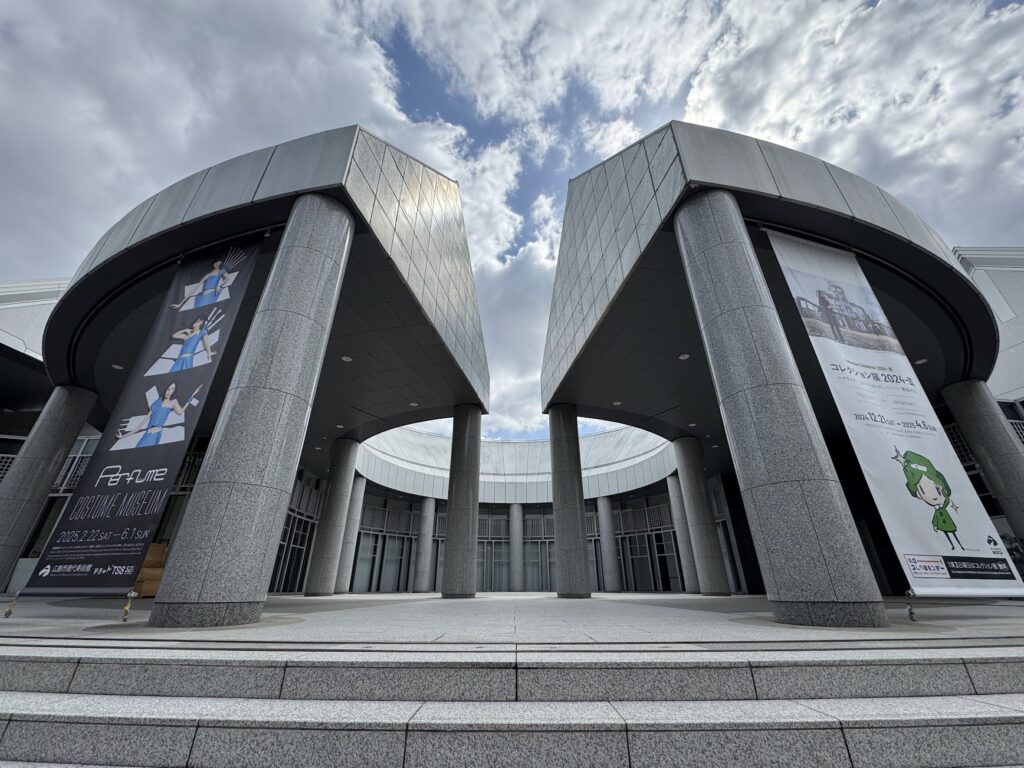
While Hiroshima is known for its historical sites, it’s also a vibrant city of art and culture. The Hiroshima Museum of Art showcases both Western masters like Monet and Van Gogh and Japanese modern artists. The Hiroshima City Museum of Contemporary Art, recently renovated, exhibits bold and thought-provoking works that reflect the city’s creative spirit.
Exploring these museums shows another side of Hiroshima — a city that continues to evolve, inspire, and create, while never forgetting its past.
9. Hondori Shopping Street — Feel the Heart of Modern Hiroshima

Just a short walk from the Peace Memorial Park, Hondori Shopping Street is Hiroshima’s main pedestrian arcade.
This lively covered street stretches for about 500 meters, lined with cafés, boutiques, and souvenir shops — a great place to enjoy local life.
You can browse traditional crafts, pick up modern pop-culture goods, or taste Hiroshima’s local treats like okonomiyaki and lemon drinks.
Many of the stores were rebuilt after the war, symbolizing the city’s strength and recovery.
Strolling through Hondori lets you feel both Hiroshima’s vibrant energy and its quiet resilience — a perfect way to end your day of exploration.
10. Where to Stay: Hotel Small World – A Peaceful Stay to Reflect and Learn

For travelers seeking more than just a place to sleep, Hotel Small World offers a truly meaningful stay. Located near the center of Hiroshima, it’s a calm and welcoming space built around the concept of peace.
Each room contains books and materials about Hiroshima’s history — from the devastation of war to the city’s remarkable rebirth. Guests are encouraged to read, reflect, and think about the importance of peace in today’s world.
The hotel’s atmosphere is simple and serene, allowing visitors to unwind while contemplating the lessons of history. As the owners describe, “We hope our guests will feel the importance of peace and carry that feeling into the future.”
Staying at Hotel Small World is not just accommodation — it’s an experience of learning, empathy, and quiet reflection.
Conclusion – Experience Peace, Learn, and Connect
Hiroshima is more than a destination; it’s a story — one that teaches the power of resilience, the value of remembrance, and the beauty of peace.
From the solemn silence of the Peace Park to the laughter shared over okonomiyaki, Hiroshima offers visitors a complete journey — of the heart, mind, and spirit.As you walk through this city, you’ll see not only the scars of history but also the endless hope of its people.
And if you stay at Hotel Small World, you’ll have a quiet space to truly reflect on what peace means — for you, for Hiroshima, and for our shared world.