Hiroshima Food Specialties | 7 Famous Local Dishes You Must Try
When you visit Hiroshima, you quickly realize that the city offers far more local specialties than you might expect. Thanks to its location facing the Seto Inland Sea and its long-standing culinary traditions, Hiroshima has developed food specialties that are clearly different from those found in other regions of Japan. From casual, everyday dishes to specialties unique to the region, Hiroshima’s food scene offers a surprising range of flavors that reflect both its geography and local lifestyle.
In this guide, we introduce seven famous Hiroshima food specialties that define the region’s cuisine. These dishes are not just popular with tourists, they are deeply rooted in daily life and local identity. If you want to understand Hiroshima beyond sightseeing, tasting these foods is the best place to start.
7 Famous Hiroshima Food Specialties
Hiroshima’s food culture is built on variety. Some dishes are filling and hearty, others light and seasonal, and each has its own story. The following seven specialties represent the core of Hiroshima cuisine and are widely recognized as must-try local foods. Whether you enjoy noodles, seafood, grilled meat, or sweets, these dishes showcase why Hiroshima food stands out within Japan.
Hiroshima-style Okonomiyaki(お好み焼き)
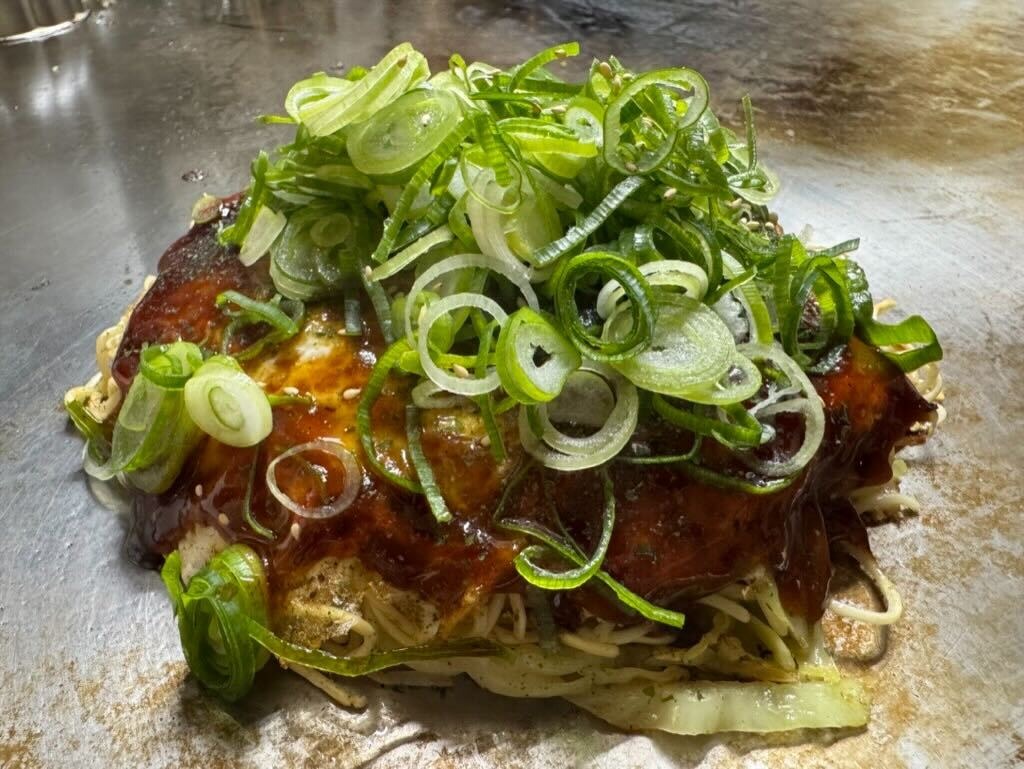
Okonomiyaki is the most iconic of all Hiroshima food specialties, but many visitors are surprised to learn that there are two main styles of okonomiyaki in Japan: Hiroshima-style and Kansai-style (often associated with Osaka). Understanding the difference is key to appreciating why Hiroshima people are so proud of their version.
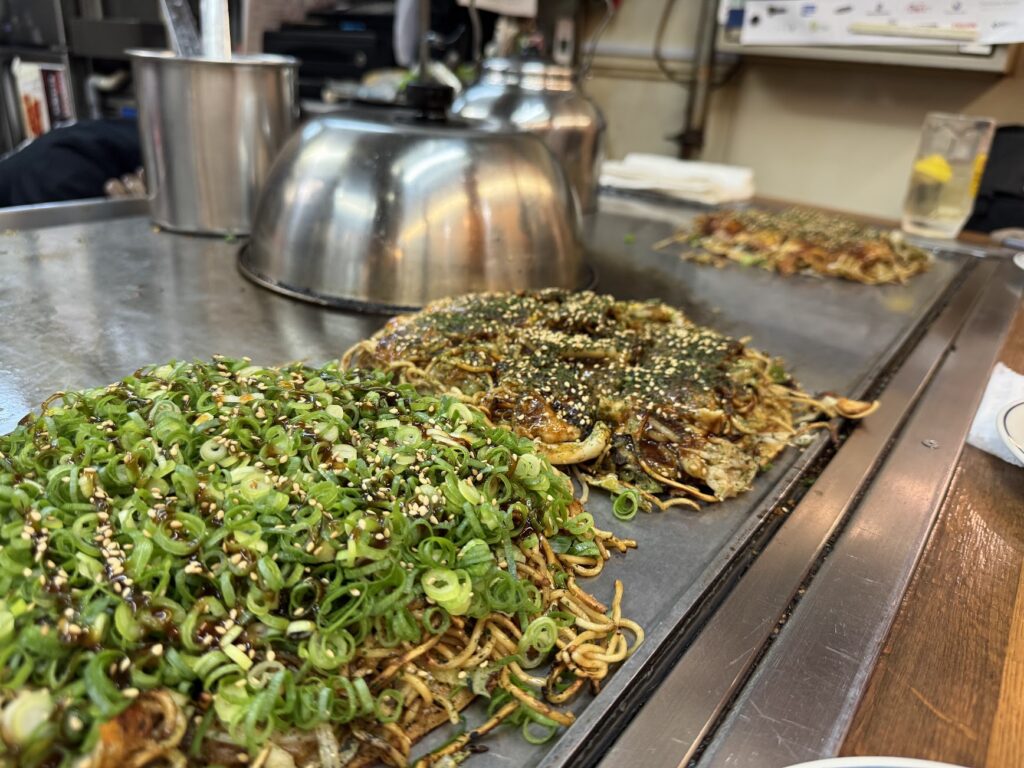
In Kansai-style okonomiyaki, ingredients such as cabbage, batter, eggs, and meat are mixed together before being cooked on a griddle. Hiroshima-style okonomiyaki, on the other hand, is built in distinct layers. Thin batter is first spread on the grill, followed by a generous pile of cabbage, bean sprouts, pork, and most importantly, noodles, usually yakisoba. The layers are carefully cooked and stacked, then topped with an egg and savory sauce.
This layered approach creates a lighter texture despite the large volume, and the addition of yakisoba makes the dish especially filling. For locals, Hiroshima-style okonomiyaki is not just comfort food; it is a symbol of regional identity and craftsmanship. Many people have their favorite shops, and it is common to eat okonomiyaki directly from the hot griddle.
Hiroshima Oysters(牡蠣)
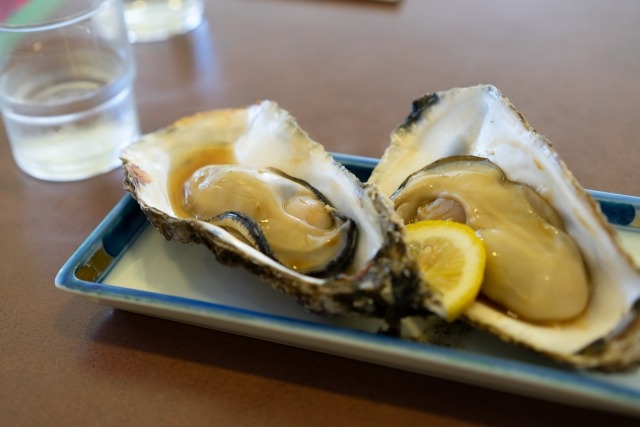
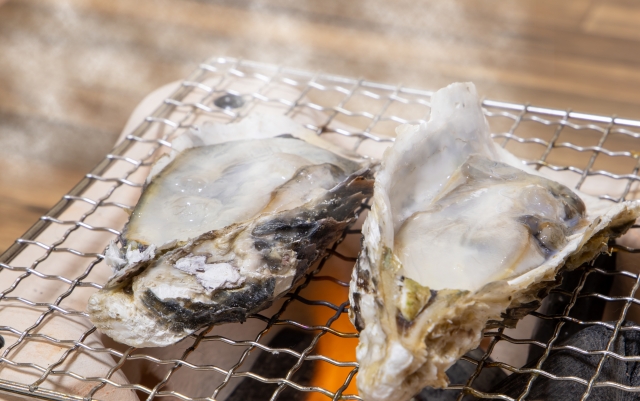
Hiroshima is by far the number one oyster-producing region in Japan, accounting for the majority of the country’s total output. The calm waters of the Seto Inland Sea provide ideal conditions for oyster farming, resulting in plump, flavorful oysters that are enjoyed across the nation.
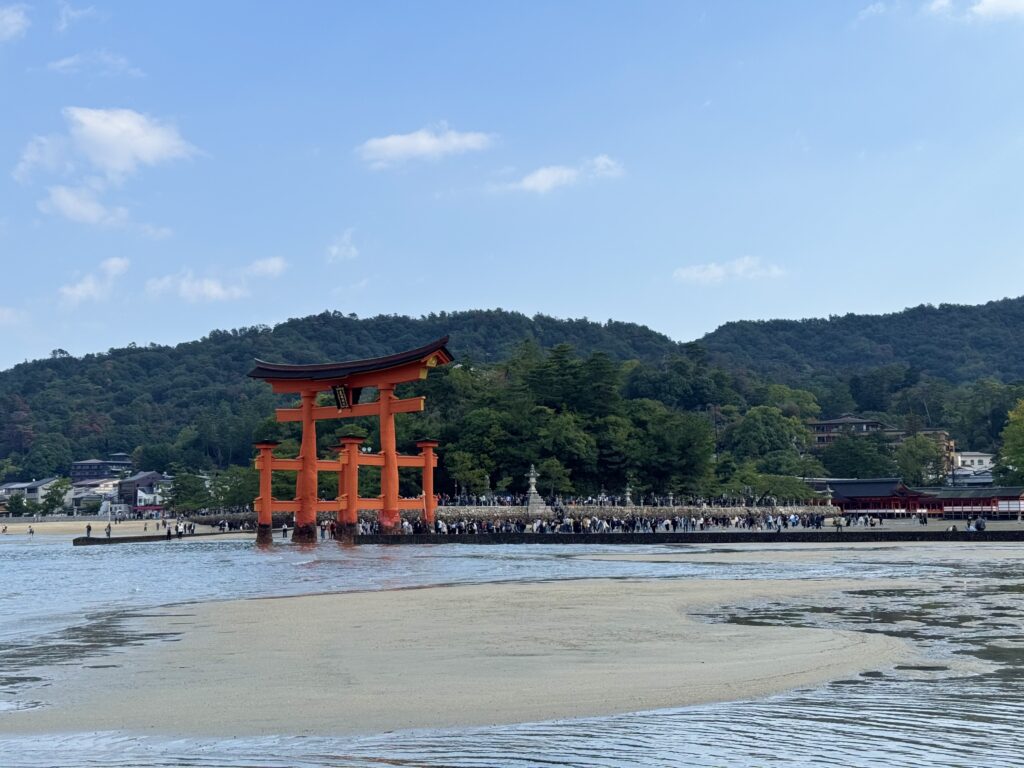
A large portion of Hiroshima’s oysters are farmed in the waters around Miyajima, making this area especially famous for fresh oysters. Visitors to Miyajima can often enjoy oysters that have been harvested the same day, prepared in simple but delicious ways such as grilled, fried, or served raw in season. Squeezing a bit of Hiroshima-grown lemon over the oysters is also a popular way to enjoy them, adding a fresh acidity that brings out their natural flavor.
Oysters appear in many local dishes, from casual street food to full-course meals. During the winter months, when oysters are at their best, Hiroshima becomes a destination for oyster lovers from all over Japan. Their clean taste and rich texture are a direct result of the region’s natural environment and careful cultivation methods.
Hiroshima Ramen(広島ラーメン)
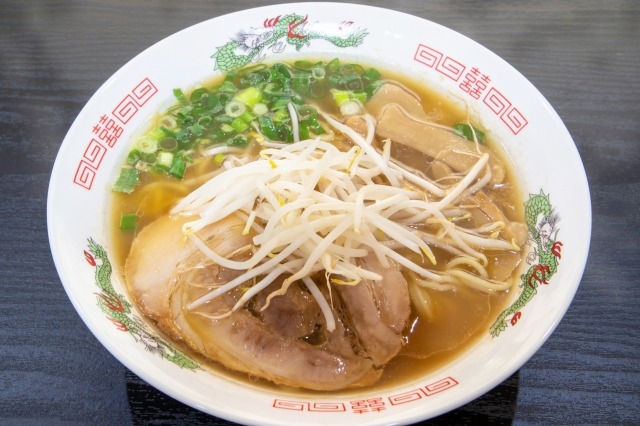
Hiroshima ramen is another important part of the local food scene, though it tends to be less internationally known than okonomiyaki. In general, Hiroshima ramen features a soy sauce–based broth that is lighter than tonkotsu ramen from Kyushu but richer than many Tokyo-style broths. The soup is often made with chicken and pork bones, creating a balanced, comforting flavor.
While discussing Hiroshima ramen, it is also worth mentioning Onomichi ramen, a related regional style that originated in the nearby city of Onomichi. Onomichi ramen typically includes a soy-based broth with floating pork fat, giving it a distinctive aroma and richness. Although Onomichi ramen is sometimes grouped under the broader Hiroshima ramen category, locals clearly recognize it as a separate style.
For visitors, Hiroshima ramen offers an approachable introduction to regional Japanese ramen without overwhelming heaviness. It is a dish that locals enjoy regularly, often as a quick lunch or late-night meal.
Hiroshima-style Tsukemen(つけ麺)
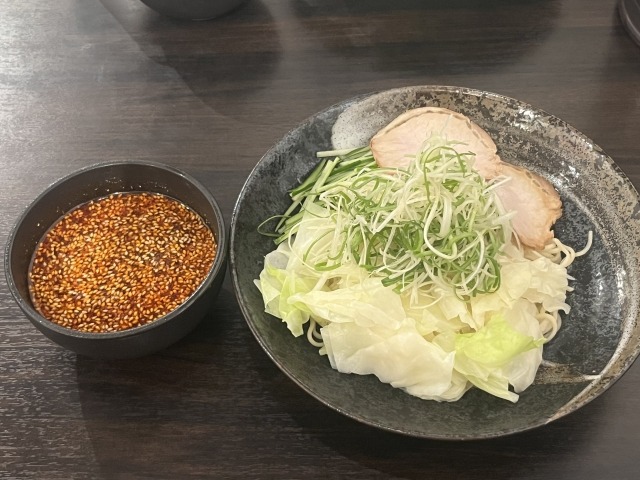
Hiroshima-style tsukemen is a unique noodle dish that differs significantly from standard ramen. Instead of noodles served in hot soup, tsukemen features cold noodles dipped into a spicy, tangy sauce. The dipping sauce is typically soy-based and mixed with chili, vinegar, and sesame, creating a sharp and refreshing flavor.
What makes Hiroshima-style tsukemen stand out is the adjustable spice level. Diners can often choose how spicy they want the sauce, making it accessible to a wide range of tastes. Fresh vegetables such as cabbage, cucumber, and green onions are commonly served alongside the noodles, adding crunch and balance.
This dish is especially popular during the warmer months, but many locals enjoy it year-round. Hiroshima-style tsukemen reflects the region’s love for bold flavors without relying on heavy ingredients.
Anago Meshi(あなごめし)
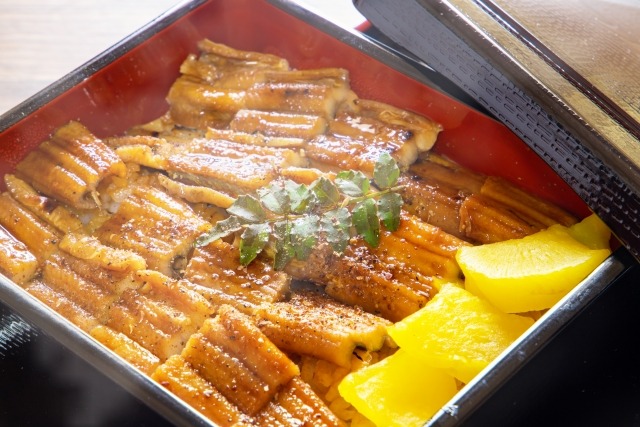
Anago meshi is a traditional Hiroshima specialty made with anago, or conger eel. Unlike unagi (freshwater eel), anago has a lighter, more delicate flavor. Hiroshima Bay is known for its high-quality anago, making it a natural ingredient in local cuisine.
Anago meshi consists of grilled anago glazed with a sweet soy-based sauce and served over rice. The eel is tender and aromatic, and the sauce soaks gently into the rice, creating a simple yet refined dish. This food is often associated with special occasions or travel meals, particularly around the Miyajima area.
For visitors seeking a classic Japanese dish that feels distinctly local, anago meshi offers a perfect balance of tradition, flavor, and regional character.
Kōne Beef – Yakiniku(コウネ)
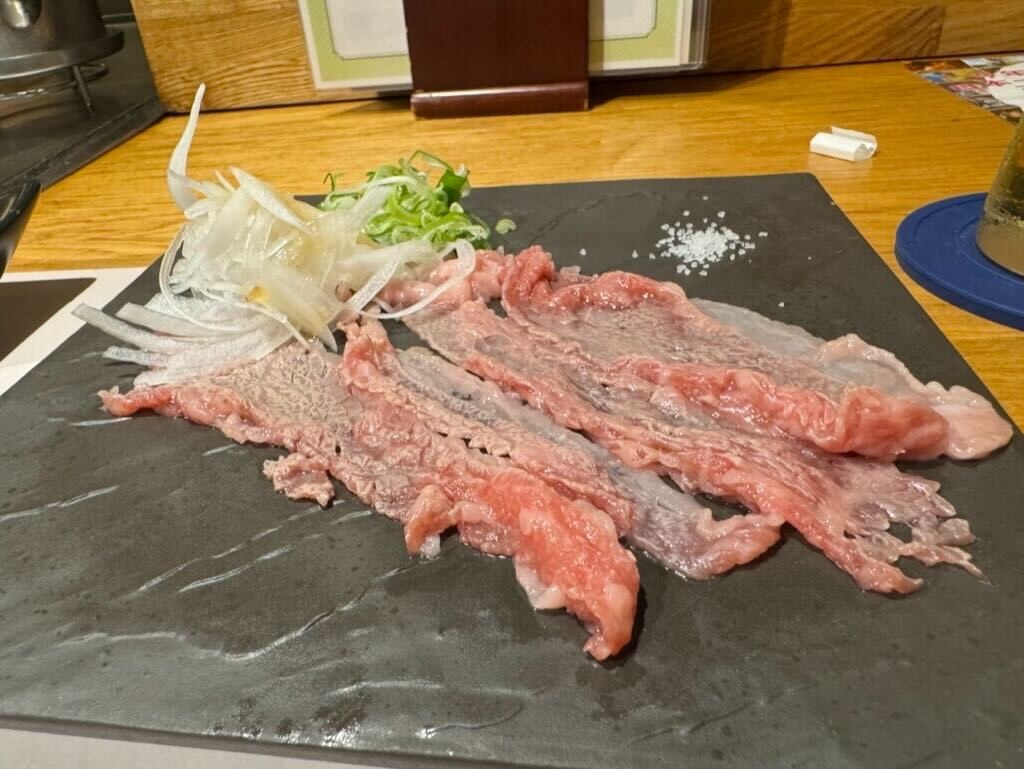
Kōne is a cut of beef brisket that is especially popular in Hiroshima. While it is less commonly featured in other parts of Japan, kōne has become a staple at local yakiniku restaurants. The meat is thinly sliced, with a good balance of lean meat and fat, resulting in a rich flavor when grilled.
Locals typically grill kōne quickly and enjoy it simply with salt or dipping sauce. Its slightly chewy texture and savory taste make it ideal for yakiniku-style dining, where food is cooked at the table and shared among friends or family.
This dish highlights Hiroshima’s unique approach to meat culture and is a great example of how local preferences shape regional specialties.
Momiji Manju(もみじ饅頭)
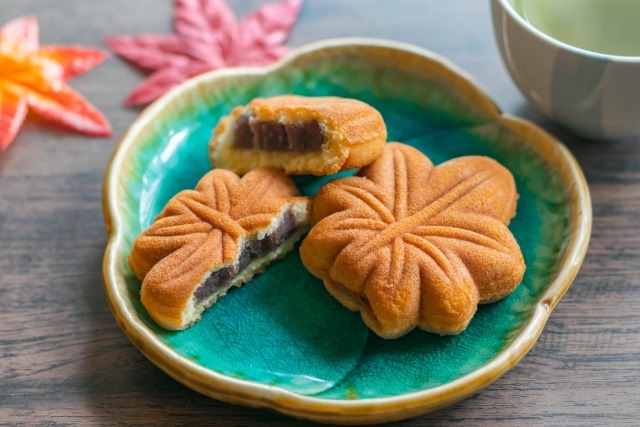
Momiji manju is Hiroshima’s most famous traditional sweet and a classic souvenir for visitors. The word momiji refers to the maple leaf, a symbol strongly associated with the Hiroshima region, especially around Miyajima. Momiji manju are small cakes shaped like maple leaves and typically filled with sweet red bean paste.
Over time, many variations have emerged, including custard, chocolate, and matcha fillings. In Miyajima, visitors can also try fried momiji manju, a crispy version that contrasts with the soft traditional cake. This modern twist has become a popular street food option.
Momiji manju combines cultural symbolism with approachable sweetness, making it a perfect introduction to Japanese confectionery for first-time visitors.
Hiroshima Food Specialties FAQ
What is the most famous food in Hiroshima?
Hiroshima-style okonomiyaki is widely considered the most famous local dish. Its layered cooking style and use of yakisoba noodles clearly distinguish it from other regional versions in Japan.
Are Hiroshima food specialties easy to find for visitors?
Yes. Most of these dishes are widely available in Hiroshima City and popular sightseeing areas such as Miyajima. Restaurants and casual eateries make it easy for travelers to experience local food without special reservations.
When is the best season to enjoy Hiroshima food?
Hiroshima food can be enjoyed year-round, but winter is especially popular for oysters, while summer is ideal for lighter dishes such as tsukemen. Seasonal variation adds to the appeal of the region’s cuisine.
Where to Stay in Hiroshima: Hotel Small World

After enjoying Hiroshima’s local food scene, Hotel Small World offers a quiet and thoughtful place to rest. More than a typical hotel, it is built around the themes of peace and reflection.
Each room includes books and materials about Hiroshima’s history, from the devastation of war to the city’s remarkable recovery. Guests are encouraged to read, reflect, and consider the importance of peace in today’s world.
The hotel’s calm atmosphere and simple design provide a relaxing space for visitors to unwind after a day of exploring Hiroshima and enjoying its culinary offerings. Staying at Hotel Small World is an experience of learning, empathy, and quiet reflection that stays with you long after your trip.
Conclusion
Hiroshima food specialties reflect the region’s geography, history, and everyday lifestyle. From the layered complexity of Hiroshima-style okonomiyaki to the delicate flavors of anago meshi and the symbolic sweetness of momiji manju, each dish offers a different perspective on local culture. Seafood from the Seto Inland Sea, regional noodle traditions, and unique cuts of meat all come together to create a diverse and satisfying culinary experience.
Whether you are visiting Hiroshima for the first time or returning once again, its food offers moments of discovery that go beyond simply trying well-known dishes.
After a meal, spending some quiet time at Hotel Small World, a hotel centered on the theme of peace, is another way to end the day. Keeping the lingering taste of the meal with you, the day can come to a calm and unhurried close.